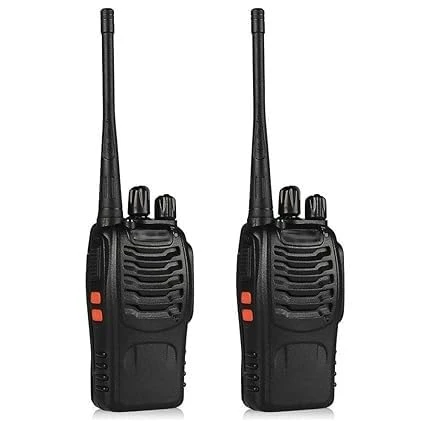

When embarking on an expedition, whether it's hiking through rugged mountains, camping in dense forests, or exploring remote wilderness, reliable communication is essential. Walkie talkies, also known as two-way radios, are an indispensable tool for staying connected with your group, especially in areas where mobile signals are weak or non-existent. However, choosing the right walkie talkie can be challenging, given the numerous options available. This guide will help you make an informed decision on selecting the best walkie talkie for your next expedition.
1. Understand Your Communication Needs
Before diving into the technical specifications, it's important to understand your specific communication needs. Ask yourself the following questions:
How many people will be using the walkie talkies?What type of environment will you be in? (e.g., dense forest, open plains, mountains)How far apart will group members be from each other?Will you need features like weather alerts or emergency channels?Understanding these needs will help you narrow down the options and focus on the features that matter most for your expedition.
2. Range and Frequency
The range of a walkie talkie is a critical factor, especially in the outdoors where terrain can affect signal strength. Walkie talkies typically operate on two types of frequencies:
FRS (Family Radio Service): Offers a limited range (up to 2 miles) and does not require a license. Ideal for short-range communication in flat, open areas.GMRS (General Mobile Radio Service): Provides a longer range (up to 35 miles) and requires a license to operate. This is better suited for communication in varied terrains like mountains or forests.Keep in mind that the advertised range is often under ideal conditions. In real-world scenarios, obstacles like trees, hills, and buildings can significantly reduce the range.
3. Battery Life
Battery life is another crucial consideration. Walkie talkies come with different types of batteries:
Rechargeable Batteries: These are convenient and eco-friendly but require a power source for recharging. Look for models with USB charging ports for added flexibility.AA/AAA Batteries: These are widely available and can be easily replaced in the field. However, they can be less cost-effective in the long run.Consider the duration of your expedition and the availability of power sources when deciding on the battery type. Some walkie talkies offer a combination of both, allowing you to switch between rechargeable and disposable batteries.
4. Durability and Weather Resistance
Outdoor adventures can be harsh on equipment, so it's essential to choose a walkie talkie that can withstand the elements. Look for features such as:
Waterproofing: Ensure the device is waterproof or at least water-resistant to handle rain, splashes, or accidental submersion.Dustproofing: If you're going to be in dusty or sandy environments, a dustproof model will help protect the internal components.Shock Resistance: Expedition gear can take a beating, so opt for a walkie talkie that is rugged and built to survive drops and impacts.Check the IP (Ingress Protection) rating of the walkie talkie for a clear indication of its durability. For example, an IP67 rating means the device is fully dustproof and can be submerged in water up to 1 meter deep for 30 minutes.
5. Channels and Privacy Codes
Walkie talkies typically come with multiple channels, allowing users to switch frequencies to avoid interference. In busy areas, having more channels is beneficial. Additionally, privacy codes (CTCSS or DCS) allow you to block out unwanted transmissions from other users on the same channel, ensuring clear communication with your group.
For expeditions in remote areas, having access to emergency channels or NOAA weather channels can be a lifesaver, providing crucial weather updates and alerts.
6. Size and Weight
The size and weight of a walkie talkie are important, especially when every ounce counts during an expedition. Lightweight and compact models are easier to carry and handle but may compromise on battery life or durability. Consider a balance between portability and functionality based on the demands of your expedition.
7. Additional Features
Modern walkie talkies offer a range of additional features that can enhance your expedition experience:
VOX (Voice-Activated Transmission): Allows hands-free operation, which is useful when your hands are occupied.Built-In Flashlight: Some models include a flashlight, providing extra utility during night-time activities.Vibration Alert: A silent vibration alert is handy in noisy environments or when you need to maintain a low profile.SOS Signal: An SOS function can send out a distress signal in case of emergencies.While these features are not essential, they can add convenience and safety to your expedition.
8. Budget Considerations
Walkie talkies are available at a wide range of price points, from budget-friendly options to high-end models packed with features. It's important to set a budget and stick to it, but also consider the value of the features you need. Sometimes, spending a little more can provide added reliability and functionality, which is crucial in challenging environments.
9. Brand Reputation and Reviews
Finally, consider the reputation of the brand and read user reviews. Trusted brands with a history of producing reliable communication equipment are often a safer choice. User reviews can provide insights into real-world performance, durability, and ease of use, helping you make a more informed decision.
Conclusion
Choosing the best walkie talkie for your expedition involves balancing your specific communication needs with factors like range, battery life, durability, and additional features. By carefully considering these aspects, you can select a reliable walkie talkie that ensures you stay connected with your group, enhancing both the safety and enjoyment of your adventure. Remember, the right walkie talkie is an investment in the success and safety of your expedition. Happy exploring!










Sign in to leave a comment.