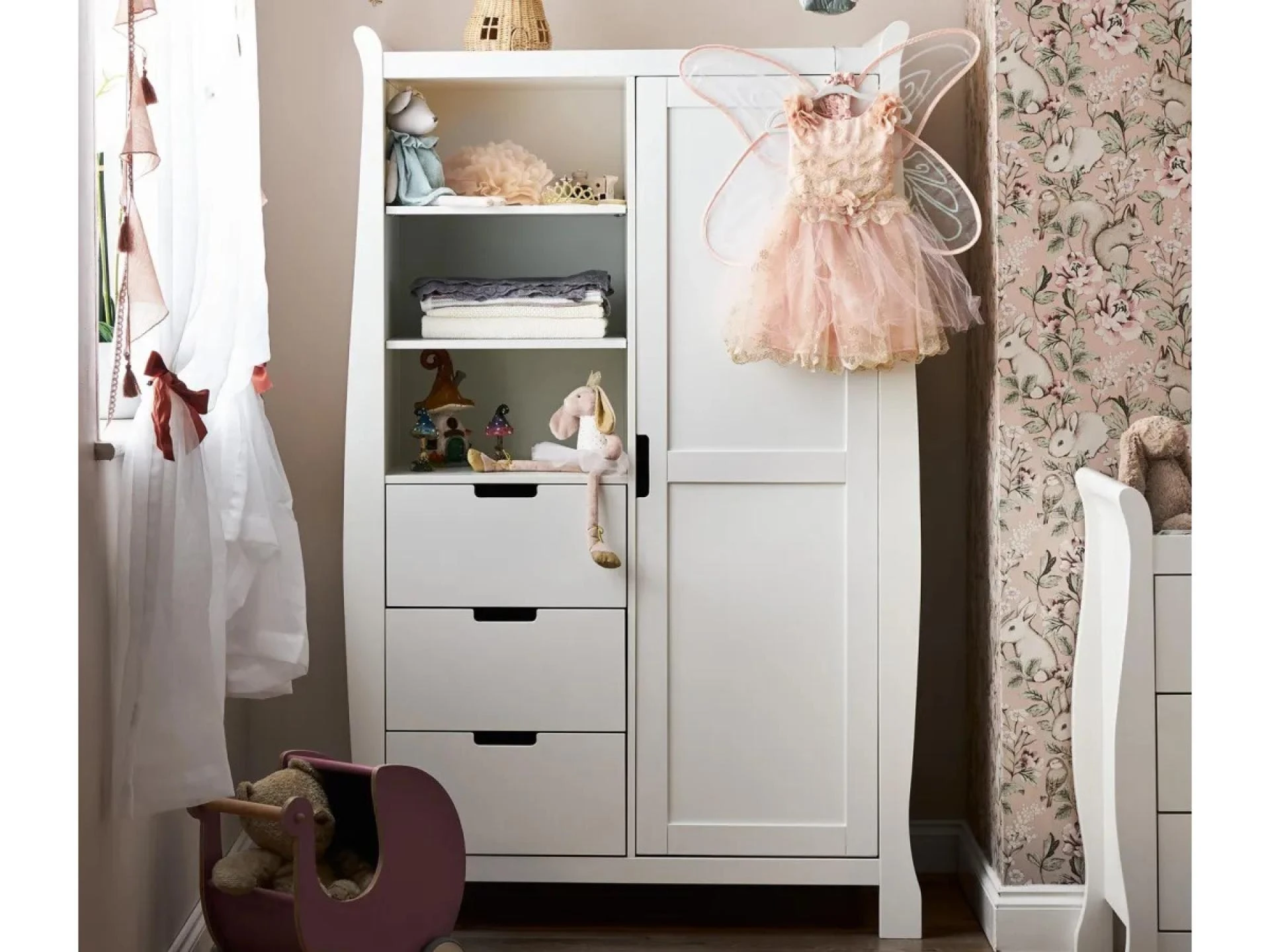

Designing a baby’s room is one of those quietly magical tasks that blends anticipation, gentle curiosity, and a touch of fantasy. Among all the choices you make—cot, changing table, lighting—one often underestimated hero quietly waits in the wings: the wardrobe. Not just a box of drawers or a tall cupboard, it’s a keeper of first rompers, tiny socks, pastel knits, and that one outfit with the bunny ears no one asked for but everyone adores. Choosing the perfect one isn’t just about storage; it’s about building a world, one soft fold at a time.
Let’s open the doors—figuratively and literally—and explore how to select a wardrobe that doesn’t just hold clothes, but helps shape the rhythm of your little one’s early days.
Start With the Feel of the Room
Before diving into Pinterest boards and catalogues, step into the nursery space with the light off and then on. Is it flooded with morning sun? Does it echo a calm breeze through pastel walls? Does the space feel cosy or airy? The wardrobe you choose should slip seamlessly into the existing character of the room, as if it had always been there, waiting to hold miniature jumpers and whisper lullabies through soft hinges.
Visual weight matters. A chunky, deep oak piece can ground a room with high ceilings and floating curtains. But in a smaller nursery, a white or pale wood wardrobe with slim legs might give a sense of air and playfulness, helping light to flow and imaginations to drift.
Think Beyond Clothes
Yes, it’s called a wardrobe, but your baby’s world isn’t neatly folded. It spills, expands, and changes every few months. One day you’re stacking muslin squares and spare bibs. The next, you’re hiding birthday presents behind a tower of soft toys. Shelves you think you’ll never use become crammed with storybooks or baskets of socks your baby insists on throwing out the cot.
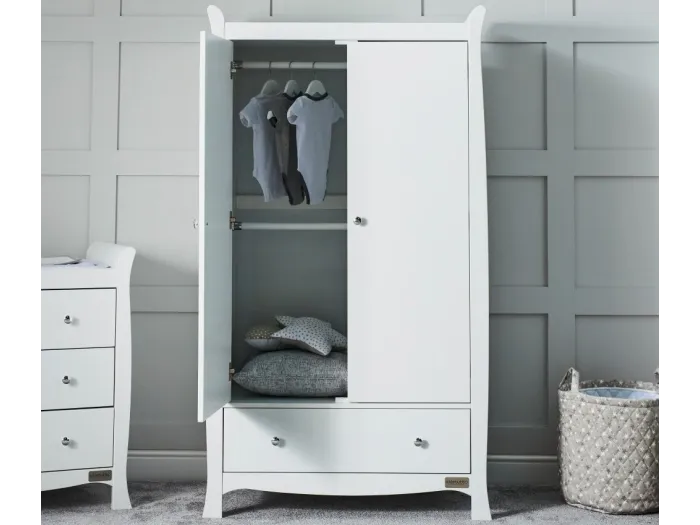
Look for modular interiors. Adjustable shelves, removable hanging rails, and cubby-style compartments can evolve with your child’s needs. Today it’s nappies and booties; tomorrow it’s dinosaur pyjamas and glittery wellies. Storage isn’t static, so your wardrobe shouldn’t be either.
The Height of Practical Magic
We don’t often think about height when choosing furniture—until we’re balancing a baby in one arm and trying to reach the top shelf with the other. Consider a wardrobe that doesn’t demand too much stretching or crouching. Smooth handles, soft-close doors, and low drawers can feel like small details, but they become your daily rituals.
And let’s talk about the secret world behind the bottom drawer. Low-level storage is perfect for baskets of soft toys or bedtime books, and as your child grows, they’ll start to use it themselves—first clumsily, then with purpose. A wardrobe that welcomes little hands is a wardrobe that lasts.
Material Matters
This is where we move from the functional to the soulful.
Avoid over-glossed finishes or synthetic laminates that feel cold or overly polished. Natural materials—solid wood, bamboo, rattan—breathe life into the room. They age with grace, developing subtle changes in tone and texture as your baby grows. A faint scratch from a tiny fingernail, a sleepy thumbprint left one winter evening—these aren’t flaws, they’re the quiet memoirs of childhood.
If you’re drawn to painted finishes, opt for non-toxic paints that are VOC-free. You might not be able to see the difference, but your baby’s lungs certainly will.
Embrace the Quiet Charm of Colour
Forget trends. This is the time to tune into what feels calming, dreamy, or simply joyful to you. A wardrobe in sage green or dove grey can set a tone of tranquil storytelling, where each opening of the door feels like turning the page of a book. Soft pinks and dusty blues are classics for a reason—they evoke gentle memories even in homes that don’t believe in colour-coded baby gear.
For something unexpected, consider earthy neutrals—clay, mushroom, oat—or even sun-washed terracotta. These colours feel rooted, like lullabies hummed by generations past.
The wardrobe doesn’t have to shout to be noticed. A whisper of colour, paired with soft grain or gentle curves, can become the quiet centre of the nursery.
Let It Tell a Story
This is where natural surrealism comes to life. Maybe your wardrobe has panelled doors that remind you of a childhood cabin. Maybe the knobs are shaped like stars or acorns or smooth pebbles. Maybe there's a hidden drawer that no one notices at first glance.
These aren’t just quirks. They’re sparks. A child’s world is made from moments of subtle magic. When your baby grows and begins to explore, these little details will become part of their imagination. The wardrobe becomes a castle gate, a ship’s locker, or a hiding spot for stuffed animals having a midnight council.
Choose furniture that carries a whisper of whimsy.
Future-Proofing with Flair
The perfect nursery wardrobe isn’t just for babyhood. It’s for the toddler chaos, the primary school uniform scramble, and even those moments when your child closes the door a little too firmly after a teenage sulk.
So while the aesthetics matter, durability and adaptability matter just as much. Check the weight capacity of shelves. Make sure hinges are sturdy and finishes are easy to clean. If the wardrobe can transition into a piece that works in a child’s room—or even a guest room one day—you’ve made a wise investment.
Sometimes the most sustainable choice isn’t the cheapest or trendiest—it’s the one that doesn’t need to be replaced.
Placement Is Part of the Poetry
Where the wardrobe lives in the room is more than just about fitting into a corner. Does the door swing open into light? Can you open a drawer while standing comfortably with your baby? Does it reflect the morning sun in a way that warms the space or casts playful shadows?
Let the placement feel natural, like the wardrobe drifted into position while the rest of the room quietly adjusted around it.
The Final Fold
When the room is quiet, the mobile has stopped spinning, and the tiny outfits are neatly tucked away, your wardrobe stands watch. It’s more than furniture. It’s a silent character in the early chapters of your baby’s life. A keeper of cosy things. A witness to giggles, first steps, bedtime stories, and early tantrums.
So take your time. Open doors. Run your fingers along edges. Let your instinct guide you—not just as a parent furnishing a room, but as a storyteller crafting a world.
After all, in this space of lullabies and moonlit feeds, even something as practical as a nursery wardrobe can become a portal to quiet magic.








Sign in to leave a comment.