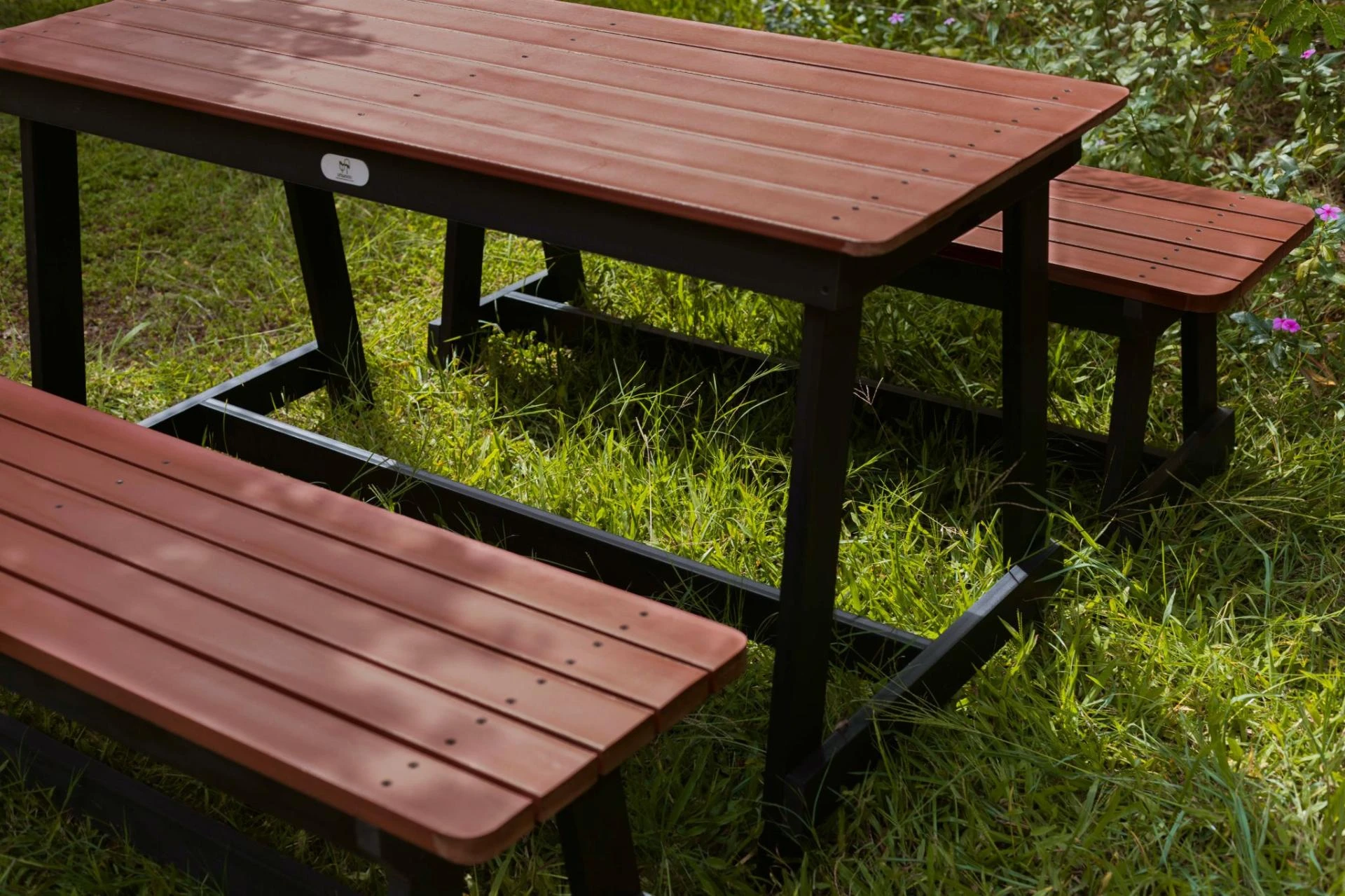

Creating an inviting and functional outdoor space requires more than just placing a few chairs outside. Whether you have a balcony, patio, garden, or rooftop terrace, the right outdoor furniture can transform your space into a stylish and relaxing retreat. In this blog, we’ll guide you through the key factors to consider when choosing the perfect outdoor furniture that suits your space, style, and needs.
1. Assess Your Outdoor Space
Start by understanding the size, shape, and layout of your outdoor area. Measure the available space and take note of fixed features such as walls, railings, or trees. Think about how much walking room you’ll need around furniture. A simple sketch or layout can help you visualize how different furniture pieces will fit.
2. Define the Purpose of the Space
Think about how you intend to use your outdoor area. Will it be a space for dining, entertaining guests, lounging, reading, or working? Your specific needs will determine the type of furniture you should invest in, whether it's a dining set, outdoor sofa, sun lounger, or a multi-functional bench.
3. Choose Durable, Weather-Resistant Materials
Outdoor furniture must be able to withstand the elements. Look for materials that are weather-resistant, rust-proof, and UV-protected. Common options include:
● Teak wood: Durable and naturally resistant to moisture.
● Aluminum: Lightweight, rustproof, and easy to maintain.
● Synthetic wicker: Offers a natural look but is more durable for outdoor use.
● Plastic/resin: Low maintenance and often stackable or foldable.
● Stainless steel: Strong and corrosion-resistant, suitable for modern designs.
Selecting the right materials ensures your furniture will last and maintain its appearance over time.
4. Focus on Comfort
Comfort should be a priority, especially if you plan to spend long hours outdoors. Look for furniture with ergonomic designs and supportive features. Choose cushions made with outdoor-grade fabrics that are water-resistant, fade-resistant, and easy to clean. Removable and washable covers are a bonus for long-term upkeep.
5. Plan for Storage
In regions with harsh weather or seasonal changes, proper storage is essential. Choose furniture that is easy to fold, stack, or move indoors. Alternatively, invest in high-quality furniture covers or a small outdoor storage unit to protect your pieces when not in use.
6. Match Your Aesthetic
Your outdoor space should reflect your personal style and complement the surrounding environment. Whether your preference is modern, rustic, minimalist, bohemian, or coastal, ensure your furniture matches the overall theme. You can enhance the look with accessories like outdoor rugs, lanterns, planters, and throw pillows to create a cohesive and inviting atmosphere.
7. Set a Budget
Outdoor furniture is available at a range of price points. Set a budget that aligns with your needs and usage. Consider spending more on key pieces that you’ll use often, like a dining table or lounge chair, while mixing in affordable accents or side tables to stay within your budget. Shopping off-season can also help you find quality pieces at lower prices.
8. Test Before You Buy (When Possible)
If purchasing in-store, test the furniture for comfort, stability, and quality. Check the joints, finishes, and overall construction. If shopping online, read product specifications and customer reviews. Verify measurements and materials to ensure you’re getting what you need.
Final Thoughts
Choosing the right outdoor furniture involves a thoughtful mix of practicality and style. By considering your space, intended use, material durability, comfort, and budget, you can create an outdoor area that enhances your lifestyle and becomes a true extension of your home. A well-furnished outdoor space is not only beautiful but also functional, offering comfort and enjoyment for years to come.
Author Bio
Anuj Gupta is a landscape architect and writes about landscape architecture, outdoor space design and interior design.










Sign in to leave a comment.