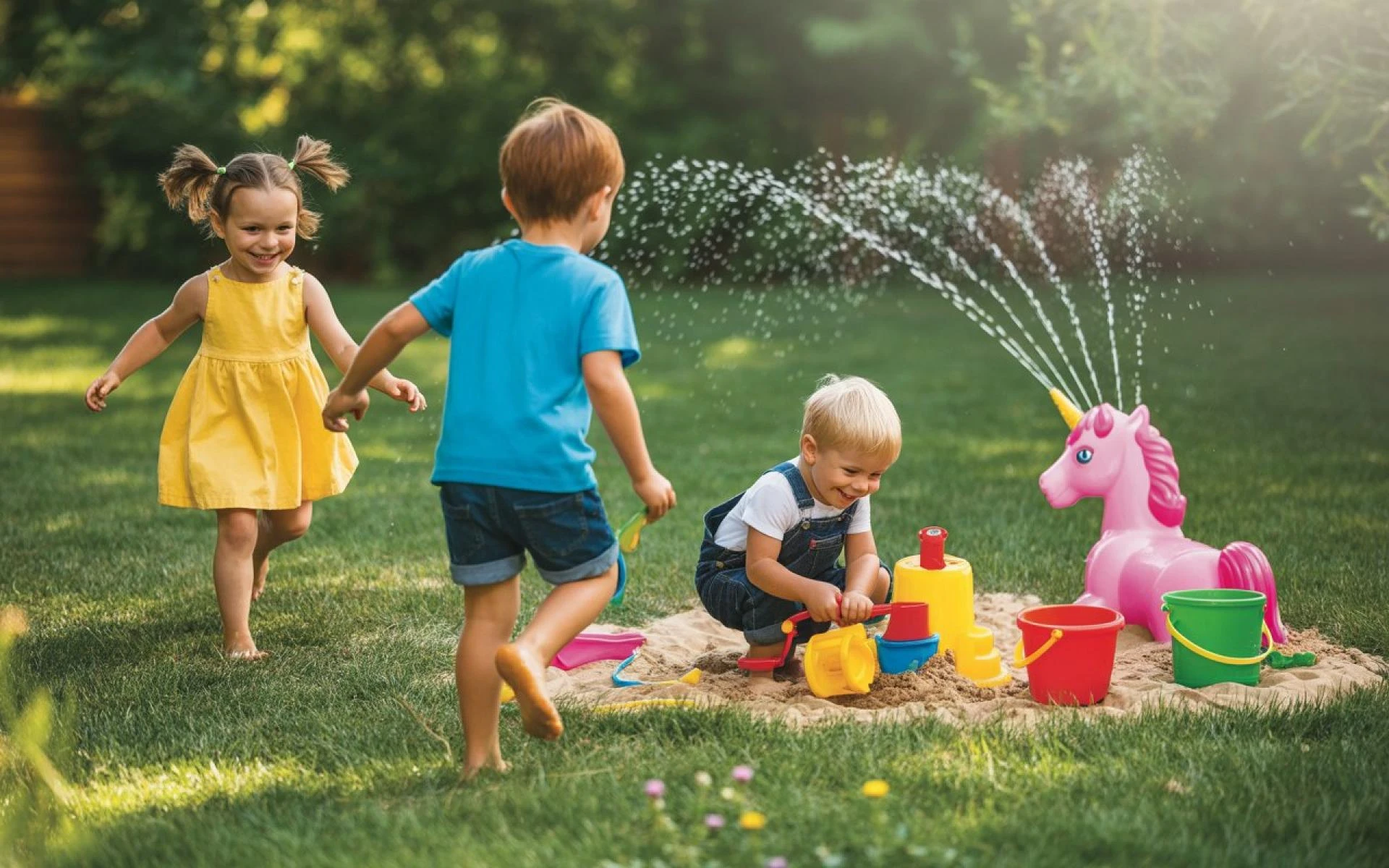

When it comes to raising happy, healthy children, outdoor play is more than just fun—it’s essential. Playing outside helps kids build physical strength, develop social skills, and ignite creativity. But with so many outdoor toys on the market, choosing the right ones can feel overwhelming. From sprinklers to swing sets, balance bikes to sandboxes, it’s easy to get lost in a sea of options. So how do you select outdoor toys that are safe, engaging, and perfect for your child? Let’s break it down.
1. Think About Age and Development
One of the most important factors when choosing outdoor toys is age appropriateness. A toy that is perfect for a 5-year-old might be completely unsuitable—or even unsafe—for a toddler. Age recommendations on packaging are a good starting point, but it’s also important to consider your child’s individual abilities.
For younger children, toys that encourage sensory exploration, like water sprinklers, sand tables, or soft balls, are ideal. They stimulate curiosity and help develop fine motor skills without being too complex. Older kids, on the other hand, can handle toys that require coordination, strength, and strategy—think scooters, climbing frames, or even outdoor science kits. Choosing toys that match your child’s developmental stage ensures they’ll be both safe and engaged.
2. Safety Comes First
Nothing matters more than safety when it comes to kids. Outdoor play can be exciting, but it can also be risky if toys are poorly made or not designed with proper safety standards in mind. Look for toys that are made of durable, non-toxic materials, and avoid anything with sharp edges or small detachable parts that could pose a choking hazard.
If you’re buying larger equipment, like trampolines or playhouses, check that they meet recognized safety certifications. Also, consider the space in your backyard or play area—make sure there’s enough room for safe movement, and think about placing toys on soft surfaces like grass or rubber mats to reduce injury risk.
3. Encourage Active Play
Outdoor toys should inspire kids to move, explore, and be active. In today’s digital world, children spend more time on screens than ever before, which can limit physical activity. Toys like bikes, scooters, hula hoops, or even a simple jump rope can encourage kids to run, jump, and develop coordination.
For children who enjoy imaginative play, toys like playhouses, tents, or themed sprinkler systems can combine movement with creativity. Active play isn’t just good for their bodies; it helps release energy, improve mood, and build confidence.
4. Look for Versatility and Longevity
Another factor to consider is versatility. Outdoor toys that can be used in multiple ways or grow with your child are excellent investments. For example, a sandbox can be a digging area today and a miniature construction site tomorrow. A swing set with adjustable heights can accommodate children for years.
Longevity also means picking toys that can withstand the elements. UV-resistant plastics, rust-proof metals, and sturdy fabrics will help toys survive sun, rain, and playtime roughhousing. Choosing durable options saves you money in the long run and ensures your kids have toys they can enjoy for years.
5. Make Playtime Social
Outdoor toys that encourage social interaction are wonderful for building friendships and teaching teamwork. Consider games that can be played with siblings, friends, or even parents. Ball games, water play stations, and obstacle courses naturally invite cooperative play.
Even simple toys like a kite or bubble set can turn into opportunities for shared joy. Social play teaches communication skills, empathy, and problem-solving, all while keeping kids active and entertained.
6. Consider Interests and Personality
Every child is different. Some are adventurous climbers, while others love creative, quiet activities. Think about your child’s interests and personality when choosing outdoor toys. If your child enjoys sports, a basketball hoop or soccer net might be ideal. For imaginative kids, themed playhouses, fairy gardens, or outdoor musical instruments can spark creativity.
Paying attention to what excites your child will make outdoor play feel less like a chore and more like an adventure. Kids are more likely to stay engaged with toys that resonate with their natural curiosity and passions.
7. Include Learning Opportunities
Play and learning often go hand in hand. Outdoor toys don’t have to be purely recreational—they can also encourage cognitive development. Gardening kits, bug-catching sets, or simple science experiments in the backyard can spark curiosity about the world.
Even classic toys like sand and water tables provide problem-solving experiences. As children pour, measure, and explore, they’re developing critical thinking skills without even realizing it. Choosing toys that subtly combine play with learning adds another layer of value.
8. Set a Budget
It’s easy to get carried away when browsing outdoor toys. Before shopping, set a budget and prioritize what’s truly important. Remember, expensive doesn’t always mean better. Many affordable toys, like jump ropes, water sprinklers, or balls, offer hours of fun and activity.
Focus on quality over quantity. A few well-chosen toys that encourage active, imaginative, and safe play are far better than dozens of items that end up gathering dust.
9. Make It Fun
At the end of the day, outdoor toys should be fun! Kids need freedom to explore, be creative, and enjoy themselves. Let them have a say in choosing toys—they’ll be more excited and invested in playtime. Observing how your child interacts with toys can also help you choose better options in the future.
Conclusion
Choosing the perfect outdoor toys for your kids doesn’t have to be overwhelming. By considering age, safety, activity level, versatility, social opportunities, personality, learning potential, and budget, you can create a backyard or outdoor play environment that’s both fun and enriching.
Remember, outdoor play isn’t just about keeping children busy—it’s about fostering growth, building confidence, and creating memories that will last a lifetime. So step outside, pick the right toys, and watch your child’s imagination soar.












Sign in to leave a comment.