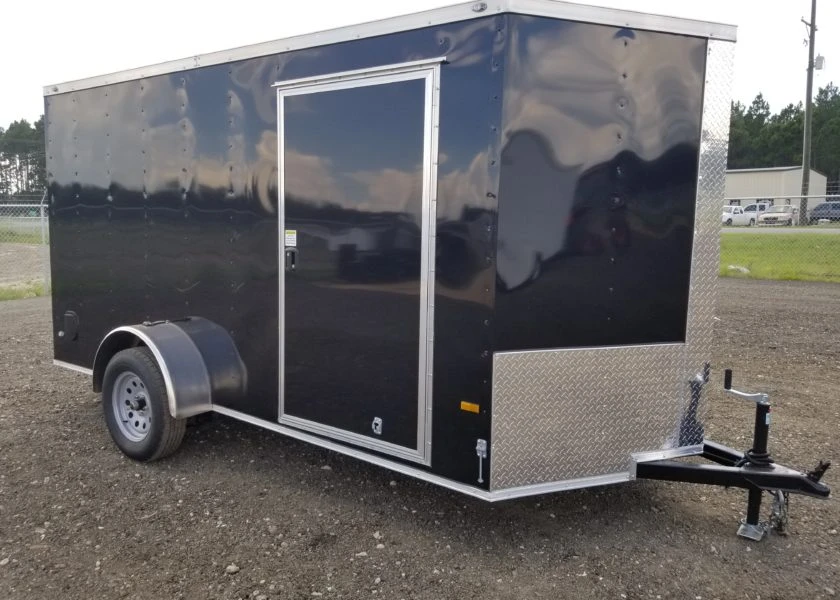
Buying an enclosed trailer for sale is a big decision—but it doesn’t have to be overwhelming. Whether you need one for hauling equipment, running a mobile business, or transporting your weekend toys, choosing the right trailer boils down to understanding your specific needs.
In this guide, we’ll walk you through the key factors to consider before making a purchase, helping you find the best enclosed trailer that delivers value, performance, and peace of mind.
1. Identify Your Primary Use Case
The first and most important step is to determine how you’ll use the trailer. Different jobs require different configurations, sizes, and features. Think about what you’ll haul, how often, and in what environments.
Common Uses:
- Business Use: Mobile workshops, contractors, landscaping crews
- Recreational Use: UTVs, motorcycles, camping equipment
- Personal Use: Moving household items, DIY projects
- Agricultural Use: Farm tools, produce, compact tractors
Knowing your purpose helps narrow down the right size, axle type, and add-ons.
2. Choose the Right Trailer Size
Once you’ve clarified your use, it’s time to pick a trailer size. This is where people often make the mistake of going too small. It’s better to size slightly up than to outgrow your trailer within a year.
Popular Sizes:
- 5x8 or 6x10 – Perfect for light-duty tasks or small business needs
- 7x14 or 7x16 – Great for landscapers, mobile service providers, or personal movers
- 8.5x20 or 8.5x24 – Ideal for auto haulers, race teams, or heavy-duty hauling
Ask yourself: What’s the largest item I’ll ever haul? That should guide your decision.
3. Pick the Right Axle Type: Single vs. Tandem
Axles play a major role in your trailer’s payload capacity and towing performance. Choosing between single and tandem axles depends on your load weight and frequency of use.
Differences:
- Single Axle:
- Lower cost
- Easier maneuverability
- Suitable for loads under 3,000 lbs
- Tandem Axle:
- Better stability on highways
- Higher weight capacity (over 5,000 lbs)
- Recommended for frequent or heavy hauling
If you plan on carrying lawn equipment, machinery, or multiple ATVs, tandem axles offer better value in the long run.
4. Consider Material: Steel vs. Aluminum
The trailer body material impacts weight, maintenance, and longevity. While both options have pros and cons, the right one depends on your hauling environment and budget.
Steel Trailers:
- Stronger and more affordable
- Heavier (may affect towing vehicle requirements)
- Require regular maintenance to avoid rust
Aluminum Trailers:
- Lightweight for better fuel economy
- Naturally rust-resistant—ideal for wet or coastal climates
- Higher initial investment but lower maintenance over time
For cargo trailers in California, aluminum options are a popular choice due to long-term durability.
5. Check for Must-Have Features
Beyond the basics, the best trailer for you will include features that enhance usability, security, and efficiency.
Features to Look For:
- Ramp or Barn Doors: Ramps are perfect for loading vehicles or equipment.
- V-Nose Design: Adds storage space and improves aerodynamics.
- D-Rings or E-Tracks: Help secure cargo during transport.
- Interior Lighting: Makes night loading much easier.
- Roof Vents or Insulation: Great for temperature-sensitive cargo.
If you’re unsure what you’ll need, start with the essentials and upgrade over time.
6. Think About Towing Compatibility
Make sure your vehicle can handle the trailer you're buying. You’ll need to know your vehicle’s towing capacity, hitch rating, and whether or not you need trailer brakes installed.
Check These Specs:
- Trailer weight + max payload = total towing weight
- Hitch size (2-inch ball is common)
- Brake controller for trailers over 3,000 lbs (required in California)
Don’t forget to factor in fuel economy—small cargo trailers are easier on your vehicle’s gas mileage.
7. Decide If You Want Customizations
Are you planning to modify your trailer for business or personal convenience? Many buyers add custom touches to enhance functionality.
Popular Custom Add-Ons:
- Interior shelving, tool racks, or cabinetry
- Solar panels and electrical outlets
- Exterior branding for business promotion
- Insulation, windows, and side doors
Customizing a utility enclosed trailer turns it into a mobile solution tailored to your specific workflow or lifestyle.
8. Buy From a Trusted Dealer
Buying from a reputable enclosed trailers dealer ensures you get a reliable product with real support behind it. Avoid suspiciously low-priced online listings with no warranty or local contact.
At Yucaipa Trailers, we help customers across California choose trailers that meet both their performance and budget goals. From small cargo trailers to fully customized setups, our inventory is built for the long haul—and backed by decades of industry experience.
Conclusion
Choosing the right enclosed trailer for sale starts with asking the right questions. By identifying your hauling needs, understanding the features that matter, and ensuring compatibility with your vehicle, you’ll end up with a trailer that works hard and lasts long.
From compact solutions for weekend use to heavy-duty options for contractors, there’s a trailer out there that fits you perfectly. For expert advice, competitive pricing, and a wide range of trusted options, visit Yucaipa Trailers—your California trailer expert.
FAQs: Choosing the Right Enclosed Trailer
Q1: What trailer size is best for landscaping?
A 7x14 or 7x16 tandem axle with side access and ramp doors works best for landscaping crews.
Q2: How can I prevent trailer theft?
Use a high-quality hitch lock, lock the doors, and consider GPS tracking if storing expensive gear.
Q3: Do I need a license to tow a trailer in California?
If the trailer exceeds 10,000 lbs, you may need a special endorsement. For most utility enclosed trailers, a standard Class C license suffices.
Q4: Is a used trailer a good option?
Yes, but only if it's been well maintained. Always inspect the frame, flooring, and wiring before buying used.
Q5: Can I finance my trailer?
Many dealers, including Yucaipa Trailers, offer financing options for both individuals and businesses.










Sign in to leave a comment.