
Keeping your home’s floors clean is vital for aesthetic appeal and for health and longevity. However, with so many floor types and cleaning methods available, knowing which cleaning technique suits your floors best can be confusing.
Choosing the right floor cleaning in Bathurst method ensures that your floors get a thorough clean without damage and that they last for years. In this blog, we will explore a variety of floor cleaning methods and guide you on how to select the best one for your home.
Understanding Your Floor Type
Before deciding on any floor cleaning technique, identify the type of surface you have, as every material has unique care requirements:
- Hardwood floors: Sensitive to moisture; require gentle cleaning to avoid warping.
- Tile floors: Durable, but grout lines need special attention.
- Laminate floors: Water-sensitive top layer; needs minimal humidity.
- Vinyl floors: Resilient and easy to clean, but avoid abrasive tools.
- Natural stone floors: Porous and vulnerable to acidic cleaners.
- Carpets and rugs: Require deep cleaning to remove dirt and allergens.
Knowing your flooring type helps eliminate techniques that could harm your floors and guides you to the safest, most effective cleaning methods.
Common Floor Cleaning Methods
1. Sweeping and Dry Dusting
This is the most straightforward and most frequent cleaning process. Sweeping or using a microfiber dust mop removes dust, dirt, and loose debris from the surface.
- Best for daily maintenance on all floors.
- Microfiber mops trap smaller particles better than traditional brooms.
- Prevents surface grit that can scratch delicate floors.
2. Damp Mopping or Wet Mopping
Mopping with a damp mop and a suitable cleaner helps to remove stains and sticky residue. Excess water is avoided to prevent damage.
- Ideal for tile, vinyl, sealed hardwood, and laminate floors.
- Use pH-neutral cleaners for sensitive floors like hardwood and stone.
- Avoid soaking the mop on water-sensitive floors to prevent swelling.
3. Steam Cleaning
Steam floor cleaning uses hot water vapour to loosen dirt and sanitise floors without harsh chemicals.
- Great for tiles, sealed stone, and vinyl floors.
- Not recommended for natural wood floors due to moisture risk.
- Also effective for sanitising carpets and upholstery when done correctly.
4. Dry Carpet Cleaning
This method uses specialised powders or dry compounds that absorb dirt and are vacuumed away.
- Perfect for delicate carpets and areas requiring quick drying.
- Less moisture reduces the risk of mould and mildew.
- Suitable for commercial areas with heavy traffic.
5. Hot Water Extraction (Steam Carpet Cleaning)
A popular deep floor cleaning procedure for carpets uses hot water spray and suction to remove dirt from deep within the fibres.
- Provides a thorough clean and stain removal.
- Ideal for homes with pets or allergy sufferers.
- Requires drying time of 4-12 hours, depending on ventilation.
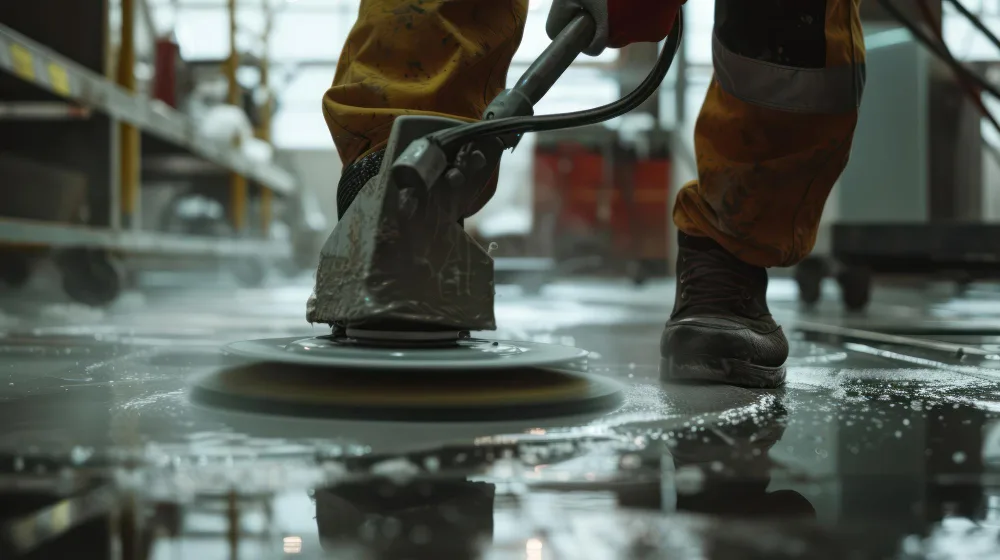
6. Polishing and Buffing
Used primarily for hardwood and stone floors, polishing enhances shine and fills in minor scratches.
- Regular polishing extends floor lifespan.
- Buffing restores smoothness and gloss.
- It works well with floor sealing or waxing.
Factors to Consider When Selecting a Floor Cleaning Method
Floor Material Compatibility
Ensure the floor cleaning method and products are suitable for your floor to prevent damage and maintain warranties. For example, avoid harsh chemicals on wood or natural stone.
Level and Type of Dirt
For light everyday dirt, sweeping or dry dusting suffices. For sticky stains or deep-seated grime, wet mopping or steam cleaning works better.
Allergies and Health Sensitivities
Opt for methods that minimise chemical use and improve indoor air quality, such as steam cleaning or green-certified products.
Drying Time Availability
Wet methods require drying time, so consider your schedule. Dry carpet cleaning or surface cleaning allows immediate use but may be less thorough.
Environmental Impact
Eco-friendly cleaners and low-water methods reduce environmental footprint and improve home health.
Recommended Cleaning Products and Tools
- Microfiber mops and cloths: Excellent for dust trapping.
- pH-neutral floor cleaners: Safe for most surfaces.
- Steam mop: Chemical-free deep cleaning.
- Vacuum with HEPA filter: Removes allergens effectively.
- Soft brushes and grout cleaners: For detailed tile cleaning.
- Rotary floor buffing machines: For polishing hardwood and stone.
Maintenance Tips to Keep Floors Cleaner Longer
- Place doormats at entrances to reduce grit.
- Clean spills immediately to prevent staining and damage.
- Use protective pads under furniture.
- Schedule professional deep cleans periodically.
- Maintain regular sweeping or vacuuming routines.
When to Call Professionals?
Some floor types or stains require expert care, where DIY may harm the floor or be insufficient:
- Deep carpet steam cleaning
- Polishing hardwood and stone floors
- Removing tough, old stains
- Cleaning natural or porous stone
- Post-renovation or heavy-duty cleans
Professional cleaners bring expertise, industrial equipment, and specialty products for the best results.
Conclusion
Choosing the best floor cleaning method for your home depends on your floor type, dirt level, health concerns, and lifestyle preferences.
Whether you opt for simple sweeping, eco-friendly steam cleaning, or professional deep cleaning, adopting the proper method protects your floors and enhances your living space.
Taking the time to select appropriate cleaning techniques means cleaner floors, a healthier home, and greater peace of mind for you and your family. Let the experts from AU First Class Cleaning Group provide you with excellent floor cleaning in Bathurst and keep your home well-maintained and beautiful.











Sign in to leave a comment.