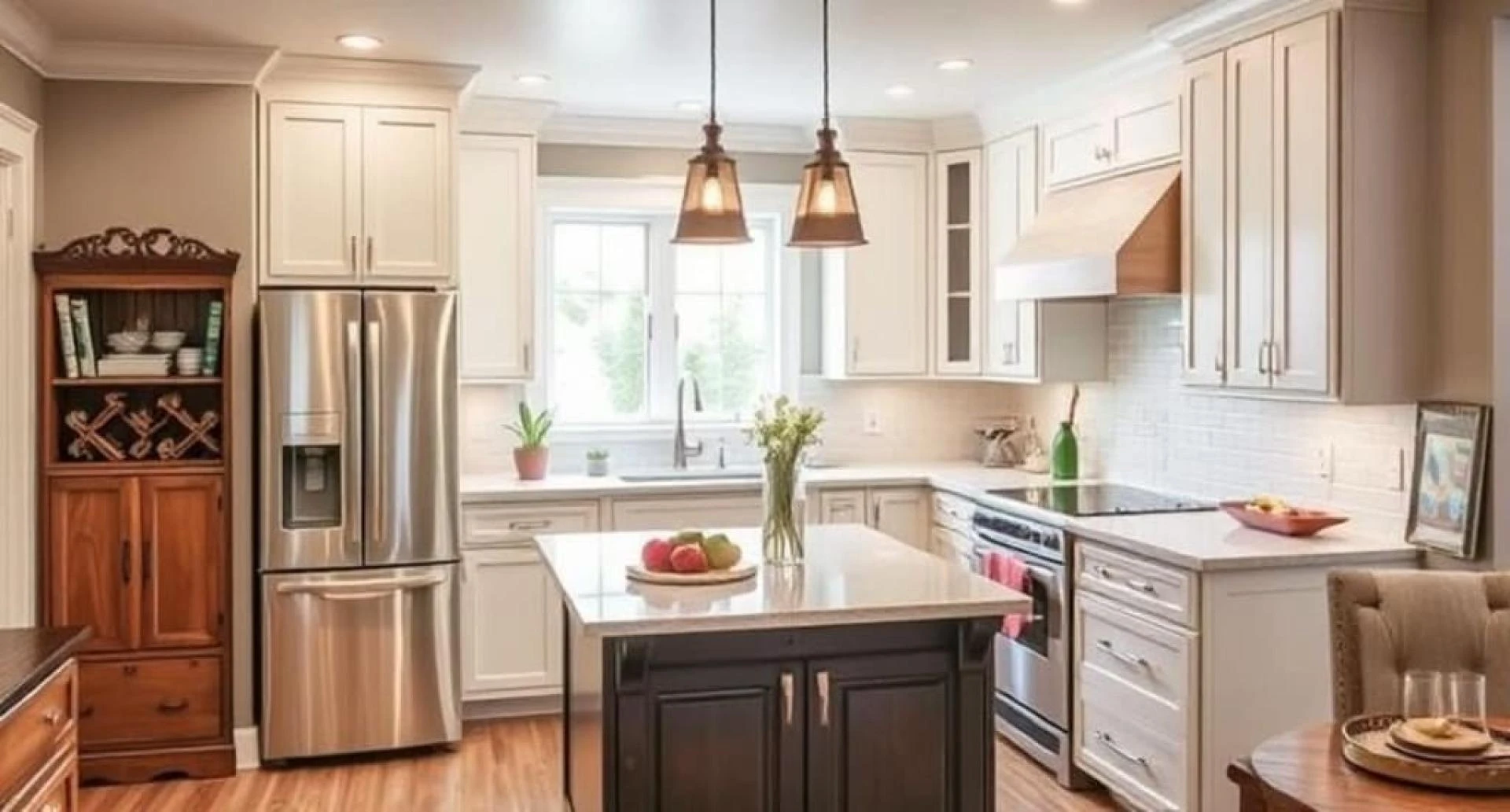

From Durability to Design: A Complete Guide to Kitchen Flooring for Every Home
The kitchen is the heart of the home—a space where meals are prepared, memories are made, and life unfolds daily. When planning a kitchen remodel, one of the most critical decisions you’ll make is choosing the right flooring. The perfect kitchen floor not only enhances the room’s aesthetic appeal but also stands up to spills, heavy foot traffic, and the wear and tear of daily life.
With so many options available, selecting the best flooring for your kitchen can feel overwhelming. This guide will walk you through the key factors to consider, compare popular kitchen flooring options, and provide expert tips to help you make the right choice for your lifestyle, budget, and design goals.
Key Factors to Consider When Choosing Kitchen Flooring
1. Water Resistance
Kitchens are prone to spills, splashes, and humidity, making water resistance a top priority. Look for materials that can handle moisture without warping, staining, or deteriorating over time.
2. Durability
From dropped utensils to heavy appliances, kitchen floors endure a lot. Choose a material that can withstand scratches, dents, and daily wear and tear while maintaining its appearance.
3. Ease of Cleaning & Maintenance
Kitchens are high-traffic areas that require frequent cleaning. Opt for flooring that’s easy to wipe down and doesn’t require extensive upkeep.
4. Comfort & Safety
Standing for long periods while cooking can take a toll on your feet and back. Consider flooring that offers some cushioning and slip resistance to ensure safety and comfort.
5. Aesthetic Appeal
Your kitchen flooring should complement your overall design style, whether it’s modern, rustic, or traditional. The right material can tie the room together and elevate its look.
6. Budget Considerations
Flooring costs vary widely, from affordable options like vinyl to high-end materials like natural stone. Factor in both upfront costs and long-term maintenance to find a solution that fits your budget.
Popular Kitchen Flooring Options: Pros and Cons
A. Tile Flooring (Porcelain & Ceramic)
Pros:
Highly water-resistant and durable
Available in endless styles, colors, and textures
Ideal for radiant heating systems
Cons:
Grout lines require regular sealing and cleaning
Hard and cold underfoot
Dropped items may shatter
Best For: Homeowners seeking a classic, water-resistant option with design versatility.
B. Luxury Vinyl Flooring (Plank & Tile)
Pros:
Waterproof and easy to clean
Softer and warmer underfoot than tile
Affordable and DIY-friendly installation
Cons:
May not add as much resale value as natural materials
Can dent under heavy appliances
Best For: Budget-conscious remodels or households with kids and pets.
C. Hardwood Flooring (Solid & Engineered)
Pros:
Warm, timeless look with high resale value
Complements a variety of kitchen styles
Cons:
Requires sealing to prevent water damage
Prone to scratches and dents
Higher maintenance and cost
Best For: Homeowners who prioritize aesthetics and are willing to invest in maintenance.
D. Laminate Flooring
Pros:
Affordable and mimics the look of wood or stone
Water-resistant options available
Easy to install
Cons:
Not as durable as vinyl or tile
Can swell or warp if exposed to moisture
Best For: Budget-friendly remodels with moderate foot traffic.
E. Natural Stone Flooring (Marble, Travertine, Slate, Granite)
Pros:
Elegant and unique patterns
Extremely durable and long-lasting
Cons:
Porous and requires regular sealing
Expensive and hard underfoot
Best For: Luxury kitchens where aesthetics and durability are top priorities.
F. Concrete Flooring
Pros:
Modern, industrial look
Highly durable and customizable with stains or polish
Cons:
Hard and cold underfoot
May require sealing to prevent stains
Best For: Contemporary kitchens with a minimalist design.
Best Flooring Choices Based on Lifestyle & Needs
- Busy Households with Kids & Pets: Luxury vinyl or tile flooring for durability and water resistance.
- Budget-Conscious Remodels: Laminate or luxury vinyl for affordability and style.
- Luxury Kitchen Designs: Natural stone or hardwood for elegance and resale value.
- Easy Maintenance & Cleaning: Tile or luxury vinyl for low-maintenance care.
Tips for Selecting & Installing Kitchen Flooring
- Test Samples at Home: Bring home flooring samples to see how they look in your kitchen’s lighting and alongside your cabinets and countertops.
- Consider Underlayment: A good underlayment can improve comfort, noise reduction, and moisture protection.
- DIY vs. Professional Installation: While vinyl and laminate are DIY-friendly, tile and hardwood often require professional installation for the best results.
- Prepare the Subfloor: Ensure your subfloor is level and clean before installation to avoid issues later.
Conclusion
Choosing the right flooring for your kitchen remodel is a balance of practicality and style. Whether you prioritize water resistance, durability, or aesthetic appeal, there’s a flooring option that’s perfect for your needs.
For a timeless, water-resistant choice, consider tile or luxury vinyl. If you’re aiming for a luxurious look, natural stone or hardwood might be the way to go. And for budget-friendly yet stylish options, laminate or vinyl are excellent picks.











Sign in to leave a comment.