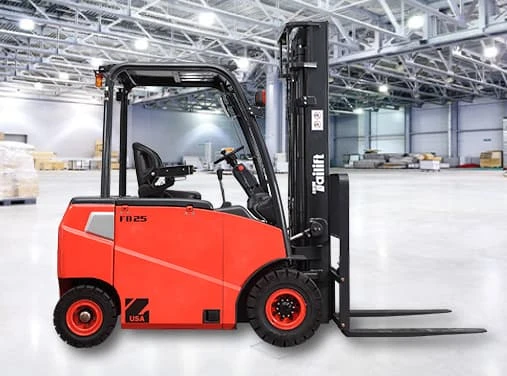

Selecting the right forklift is one of the most important decisions a warehouse manager or business owner can make. A forklift is not only a valuable asset but also a critical tool for maintaining productivity, safety, and efficiency within warehouse operations. For businesses in Texas, choosing the ideal forklift in Dallas TX requires careful evaluation of several factors such as warehouse layout, load requirements, fuel options, and maintenance considerations. A well-chosen forklift can significantly enhance workflow and reduce operational costs, making it a vital component of long-term business success.
Understanding Your Warehouse Requirements
Before investing in a forklift, it is essential to assess the specific needs of your warehouse. Each facility has unique operational demands, and understanding them helps ensure that the selected forklift aligns with day-to-day activities.
Evaluating Space and Layout
The first step in selecting a forklift in Dallas TX is to examine the layout of your warehouse. Narrow aisles, tight corners, and shelving height can influence which type of forklift will work best. For example, a warehouse with limited space might benefit from a narrow aisle or reach truck, while a facility with wide aisles and open areas might perform better with a standard counterbalance forklift. Considering maneuverability and turning radius helps prevent inefficiencies and ensures smooth operations.
Determining Load Capacity and Lifting Height
Another critical factor is understanding the type and weight of materials your warehouse handles daily. Each forklift has a specific load capacity, and exceeding this limit can lead to safety risks and equipment damage. Additionally, lifting height requirements vary depending on racking systems and storage design. Choosing a forklift that matches both weight capacity and height requirements ensures safe and efficient material handling.
Types of Forklifts Suitable for Dallas Warehouses
Different types of forklifts serve distinct purposes. Knowing which one fits your business needs can help streamline warehouse operations and maximize productivity.
Counterbalance Forklifts
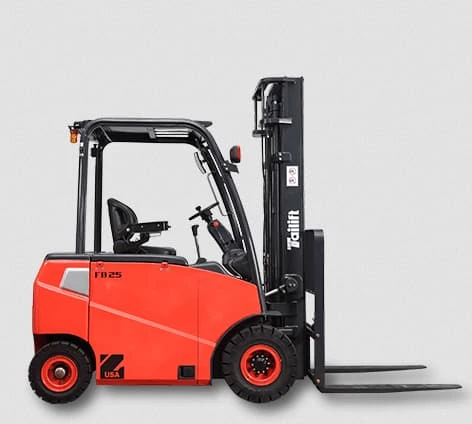
Counterbalance forklifts are the most common type found in warehouses. They are equipped with a counterweight at the rear to balance heavy loads lifted in front. These forklifts are ideal for moving palletized goods and can operate efficiently both indoors and outdoors.
Reach Trucks
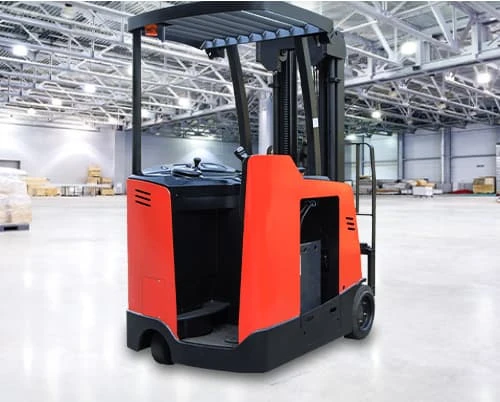
Reach trucks are designed for high-rack storage and narrow aisle spaces. Their extended reach capabilities allow them to lift loads to greater heights, making them suitable for warehouses that store inventory vertically.
Pallet Jacks and Walkie Stackers
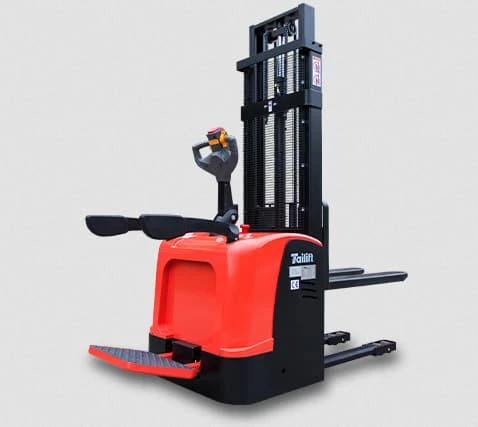
For smaller warehouses or light-duty tasks, pallet jacks and walkie stackers are excellent options. They are cost-effective, easy to operate, and ideal for moving pallets over short distances.
Rough Terrain Forklifts
If your warehouse operates partially outdoors or on uneven ground, rough terrain forklifts provide the necessary stability and power. They are built with large, durable tires and robust engines that handle challenging surfaces effectively.
Choosing Between Electric and Internal Combustion Forklifts
One of the most important decisions when selecting a forklift in Dallas TX is choosing between electric and internal combustion (IC) models. Both have unique advantages that cater to specific operational needs.
Electric Forklifts
Electric forklifts are known for their quiet operation and zero emissions, making them ideal for indoor environments. They are energy-efficient, environmentally friendly, and require less maintenance compared to fuel-powered models. Their compact design also allows easy navigation through tight warehouse spaces. However, electric forklifts need charging infrastructure and may have limitations in continuous heavy-duty operations.
Internal Combustion Forklifts
Internal combustion forklifts run on diesel, gasoline, or liquid propane gas (LPG). They provide higher power output and are suitable for outdoor or large-scale material handling tasks. These forklifts can operate continuously without the need for recharging, making them ideal for demanding workloads. Although they require regular maintenance and fuel expenses, their strength and versatility make them a popular choice for many warehouses in Dallas.
Considering Warehouse Environment and Conditions
Environmental factors play a significant role in choosing the right forklift. The condition of your warehouse floor, ventilation, and operational climate all affect the type of equipment that will work best.
Indoor Warehouses
For indoor warehouses with smooth flooring and clean environments, electric forklifts are often the best option. They operate quietly and eliminate the risk of harmful emissions. Additionally, their compact size makes them suitable for navigating through confined spaces.
Outdoor or Mixed Operations
For operations that extend outdoors or involve uneven surfaces, internal combustion forklifts are more practical. Their rugged construction and powerful engines ensure dependable performance in a variety of weather and ground conditions.
Key Features to Look for in a Forklift
When evaluating different models, it is important to focus on features that enhance performance, comfort, and safety.
Safety Features
Safety should always be a top priority when selecting a forklift. Modern forklifts come equipped with advanced safety technologies such as stability control systems, load sensors, and automatic braking. Enhanced visibility, overhead guards, and warning alarms also contribute to a safer work environment for operators and nearby personnel.
Ergonomic Design
Operator comfort directly affects productivity. A forklift with an ergonomic design reduces fatigue and allows operators to work efficiently over extended shifts. Features like adjustable seats, intuitive control layouts, and vibration reduction systems improve comfort and enhance precision during operation.
Maintenance and Serviceability
A forklift that is easy to maintain will save time and reduce downtime. When selecting a forklift in Dallas TX, businesses should consider models that offer convenient access to engine components, clear maintenance indicators, and readily available spare parts. Regular upkeep ensures longevity and minimizes costly repairs.
Understanding Forklift Attachments and Accessories
Forklift attachments can expand functionality and improve workflow efficiency. Depending on your warehouse operations, selecting the right attachments can make a significant difference in performance.
Common Forklift Attachments
Attachments such as side shifters, fork positioners, and rotators increase versatility by allowing operators to adjust or manipulate loads easily. Clamp attachments are ideal for handling non-palletized materials like barrels or boxes, while extension forks help manage oversized loads.
Benefits of Using Attachments
Using the right attachments not only boosts efficiency but also enhances safety and precision. By reducing the need for manual adjustments and additional equipment, attachments help streamline warehouse operations and prevent product damage.
Energy Efficiency and Environmental Impact
With growing emphasis on sustainability, businesses in Dallas are becoming more conscious of their environmental footprint. Choosing energy-efficient forklifts supports eco-friendly operations and reduces long-term costs.
Electric Forklift Efficiency
Electric forklifts consume less energy per shift compared to fuel-powered alternatives. Their rechargeable batteries offer consistent power while minimizing emissions. Over time, the lower cost of electricity compared to fuel provides significant savings.
Reducing Carbon Footprint
Adopting energy-efficient forklifts contributes to a greener workplace. Companies that invest in sustainable material handling solutions also enhance their reputation among environmentally conscious clients and partners.
Evaluating Total Cost of Ownership
The initial purchase price is just one aspect of a forklift investment. Businesses should also consider the total cost of ownership, which includes fuel or electricity expenses, maintenance, operator training, and replacement parts.
Long-Term Value
A slightly higher upfront investment in a durable and efficient forklift can lead to substantial long-term savings. Reliable forklifts reduce downtime, require fewer repairs, and maintain productivity, all of which contribute to a stronger return on investment.
Financing and Warranty Options
Many dealers in Dallas offer financing options and extended warranties that make acquiring a forklift more affordable. A good warranty provides peace of mind and ensures support in case of unexpected mechanical issues.
Training and Operator Certification
Proper forklift operation requires skill and knowledge. Investing in operator training ensures that staff can handle the equipment safely and effectively. Certified operators reduce the risk of accidents and enhance overall warehouse productivity.
Importance of Skilled Operators
Skilled operators understand how to maneuver forklifts safely, manage loads efficiently, and recognize early signs of mechanical problems. Continuous training also keeps operators updated with the latest safety standards and best practices.
Conclusion
Choosing the right forklift in Dallas TX involves evaluating multiple factors including warehouse layout, lifting requirements, power source, and long-term maintenance. A well-informed decision ensures safe, efficient, and cost-effective operations that enhance overall warehouse performance. Businesses that take the time to assess their unique needs and compare available options will ultimately invest in equipment that supports their goals for years to come. For expert guidance and access to quality material handling solutions, companies can rely on Tailift Material Handling USA Inc, a trusted provider dedicated to helping businesses achieve greater productivity and operational success.










Sign in to leave a comment.