

In today's fast-paced logistics landscape, choosing the right goods transport truck can significantly impact your business operations. Whether you're moving construction materials, FMCG products, machinery, or agricultural produce, the efficiency, cost-effectiveness, and reliability of your transportation depend on selecting the right truck for the job.
With a growing demand for seamless logistics and rising customer expectations, businesses are now also relying heavily on online goods carrier booking systems to streamline transportation processes. This shift makes it even more important to choose trucks that align with your business needs and integrate smoothly into digital logistics platforms.
This article will walk you through the key factors to consider when selecting the best goods transport truck for your business.
1. Identify Your Cargo Type and Volume
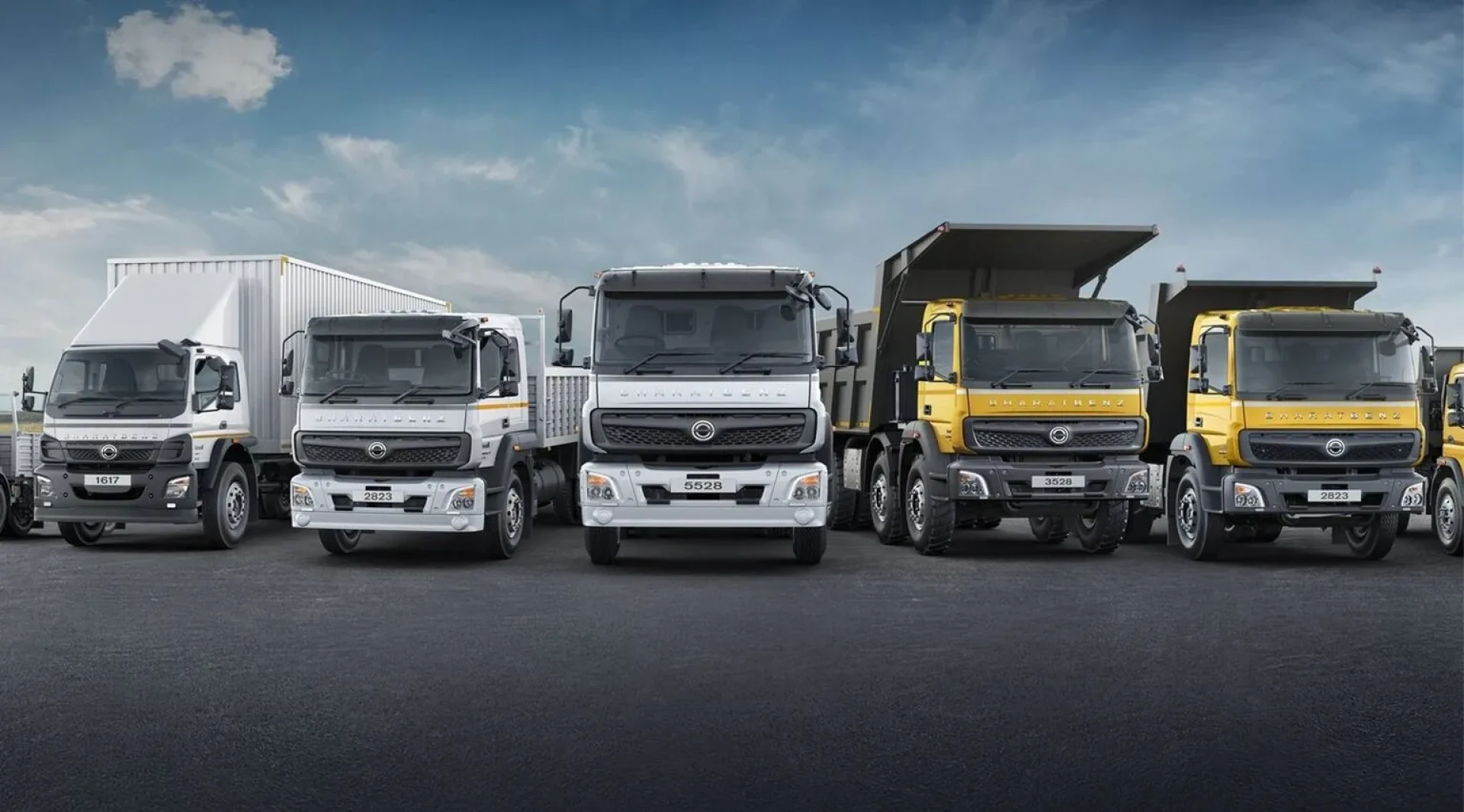
The first and most crucial step is understanding the type of goods you’ll be transporting. Different cargo types—such as perishable items, electronics, heavy machinery, or fragile goods—have unique transportation requirements. Some may need temperature control, while others require extra protection or cushioning.
Equally important is the volume and weight of the cargo. You should calculate average load sizes and peak volumes to choose a truck with the appropriate payload capacity. Overloading trucks can lead to fines, faster wear and tear, and increased fuel consumption while underutilizing space leads to inefficient transport costs.
2. Choose Between Light, Medium, or Heavy-Duty Trucks
Goods transport trucks come in various sizes and capacities:
- Light Commercial Vehicles (LCVs): Ideal for intra-city deliveries and smaller loads. These are perfect for last-mile logistics and smaller businesses that require flexibility.
- Medium-Duty Trucks: Suitable for mid-range hauling and regional deliveries. These provide a balance of payload and fuel efficiency.
- Heavy-Duty Trucks: Best for long-haul transport and large volumes. They can carry heavy machinery, bulk products, and industrial goods across states or even countries.
Select the truck category based on your delivery radius, cargo size, and frequency of trips.
3. Evaluate Fuel Efficiency and Maintenance Costs
Fuel is one of the most significant operating expenses in logistics. When comparing trucks, consider their fuel efficiency ratings. Modern diesel engines offer better mileage and are more environmentally friendly than older models.
Also, check the maintenance costs and service network of the truck brand. A lower purchase price may come with higher long-term maintenance expenses. Choose trucks with reliable after-sales support and easy access to spare parts.
4. Consider Truck Body Type and Configuration
The body type of the goods transport truck must match your cargo needs. Common body types include:
- Open Body Trucks: Suitable for non-fragile or oversized goods like construction material or machinery.
- Closed Body/Container Trucks: Ideal for electronics, garments, or perishable items, offering protection from weather and theft.
- Refrigerated Trucks: Designed for transporting temperature-sensitive goods like dairy, meat, or pharmaceuticals.
- Tanker Trucks: Used for liquid transport such as fuel, chemicals, or water.
The axle configuration (like 4x2, 6x4, etc.) also determines the truck’s load-bearing capacity and maneuverability. Make sure it aligns with your terrain and route conditions.
5. Focus on Safety and Driver Comfort
Safety should be a top priority when selecting a goods transport truck. Look for trucks with features like ABS brakes, reverse parking sensors, seat belts, and stability control. These not only protect the cargo but also the driver and other road users.
Driver comfort is another often overlooked factor. A comfortable cabin with adjustable seats, air conditioning, and ergonomic controls helps reduce fatigue and improve driving performance—especially on long-distance hauls.
6. Integration with Digital Booking Systems
With logistics going digital, your trucks should be compatible with online goods carrier booking platforms. This allows for:
- Real-time GPS tracking
- Digital documentation
- Quick load matching
- Route optimization
- Instant billing and e-POD (proof of delivery)
Choosing trucks with telematics and digital communication capabilities ensures they can be part of a tech-driven logistics chain, improving transparency and efficiency.
7. Assess Lease vs. Purchase Options
Depending on your financial model and cash flow, you might consider leasing trucks instead of purchasing them outright. Leasing provides flexibility and reduces upfront investment, making it ideal for startups and seasonal businesses.
However, if you foresee consistent usage and want full control over maintenance and customization, purchasing may offer better value in the long run. Analyze your business growth projections before making a decision.
8. Environmental Impact and Regulations
With increasing awareness of environmental issues and stricter government regulations, it’s wise to choose trucks that comply with emission standards (like BS6 in India). Some regions may also provide tax benefits or incentives for using electric or hybrid vehicles.
Choosing eco-friendly goods transport trucks not only keeps you compliant but also aligns your brand with sustainable practices, which can be a competitive advantage.
9. Calculate the Total Cost of Ownership (TCO)
When investing in a goods transport truck, look beyond the sticker price. The Total Cost of Ownership includes:
- Purchase or lease cost
- Fuel consumption
- Insurance
- Road tax and permits
- Maintenance and repairs
- Resale value
By evaluating the full lifecycle cost, you can choose the most economical truck for your long-term needs.
10. Choose a Reputable Brand and Dealer
Lastly, invest in a truck from a trusted manufacturer with a proven track record in performance, durability, and customer service. Also, choose dealers who offer extended warranties, good financing options, and excellent post-sale support.
A reliable partner can make a huge difference in reducing downtime and keeping your fleet running smoothly.
Conclusion
Choosing the right goods transport truck for your business is more than just selecting a vehicle—it’s about aligning your logistics strategy with your operational needs and growth goals. From assessing cargo types and truck configurations to integrating with online goods carrier booking platforms, every decision plays a role in your overall efficiency and profitability.
For businesses seeking smart, tech-integrated transport solutions, TrucksUp offers a comprehensive platform for online goods carrier booking. With a wide network of reliable transporters, digital tracking, and easy booking tools, TrucksUp ensures that your cargo reaches its destination safely, on time, and at the best possible rate. Make logistics smarter—choose TrucksUp for your transportation needs.













Sign in to leave a comment.