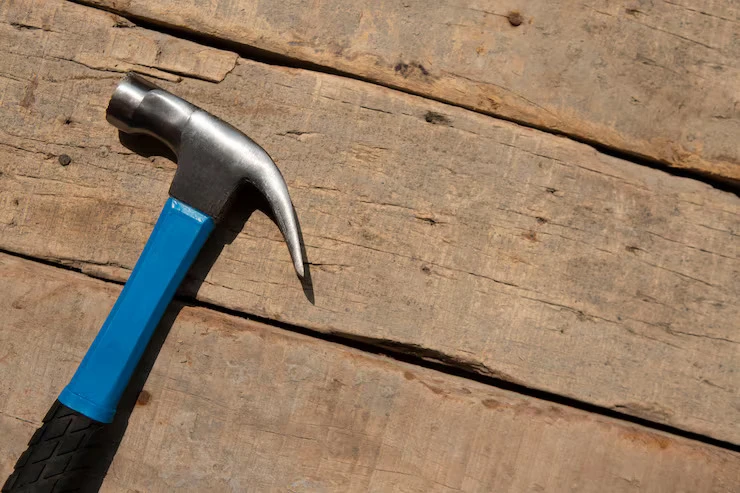

Whether you're a professional tradesperson or a DIY enthusiast, selecting a hammer that matches your project requirements and working style is crucial. At JCBL Hand Tools, we understand how the right striking tool can make all the difference. Here's a comprehensive guide to help you make an informed decision.
1. Understand the Nature of Your Work
Before diving into hammer types, evaluate the type of work you’ll be doing:
- Carpentry: Involves driving and removing nails, assembling frames, or light demolition.
- Masonry: Requires breaking bricks, concrete, or stones.
- Metalworking: Needs controlled striking force for shaping or cutting metal.
- Automotive: Often involves precision work with delicate parts or metal surfaces.
Each trade demands specific features, such as weight, head material, handle design, and striking power.
2. Know the Different Types of Hammer
There are many types of hammers, each designed for specific tasks. Here are some common ones:
Claw Hammer: Ideal for carpenters and DIYers, this versatile tool is perfect for driving and pulling nails.
Ball Peen Hammer: Popular in metalworking and automotive tasks, it features a rounded end to shape metal without damage.
Sledgehammer: Designed for heavy-duty demolition, it delivers powerful blows and is used for breaking concrete or driving stakes.
Club Hammer: A smaller version of the sledgehammer, perfect for light demolition and masonry tasks.
3. Match Weight and Balance to the Task
The weight of the hammer affects control and impact. Lighter hammers (8–16 oz) offer better precision and are suitable for finishing work. Heavier options (20–32 oz) are better for framing, demolition, or masonry.
Balance is equally important—well-balanced hammers reduce wrist strain and improve accuracy, especially during extended use.
4. Choose the Right Handle Material
The handle influences comfort, durability, and shock absorption:
- Wood (usually hickory): Traditional feel, good shock absorption.
- Fiberglass: Lightweight and durable, resistant to vibration and weather changes.
- Steel: Extremely durable but can transmit more shock unless cushioned.
Opt for a handle that offers a secure grip and minimizes fatigue, especially if you’re using the hammer for long periods.
5. Prioritize Safety and Ergonomics
Using a hammer may seem straightforward, but it's important to use a hammer safely. Choose models with:
- Non-slip grips
- Shock-absorbing handles
- Head securely bonded to the handle
Wearing safety glasses and ensuring you have full control of the hammer at all times are also essential practices.
6. Invest in Quality Over Price
It’s tempting to choose cheaper options, but investing in durable and high-performance striking tools pays off in the long run. A reliable hammer not only lasts longer but also ensures safer and more effective work.
Look for a trusted hand tools supplier with a reputation for quality craftsmanship and ergonomic design. One-time investments in good tools will save money, time, and frustration over the years.
Conclusion
Choosing the right hammer is about more than just picking one off the shelf—it’s about matching the tool to your specific trade or project needs. Whether you're framing a house, shaping metal, or dismantling walls, the right striking tool can boost productivity and reduce strain.
Explore our full range of hammers and other striking tools at JCBL Hand Tools, your trusted partner for premium hand tools.










Sign in to leave a comment.