

With so many options, how do you pick the right ones? It often takes a little trial and error. Here are some helpful tips to guide your choices.
Observe Your Cat's Play Style
Watch how your cat naturally plays. Do they love to chase anything that moves? A track toy or an automatic rolling ball might be perfect. Do they prefer to stalk and pounce from hiding? A tunnel or a wand toy that disappears around corners will excite them. Are they obsessed with batting small objects? Crinkle balls or cat toy mice are great choices. Understanding their preferences helps you select toys they will actually use. Every cat has their own unique personality when it comes to play.
Consider Your Cat's Age and Energy Level
Kittens have boundless energy. They benefit from short, frequent play sessions with a variety of toys. Adult cats typically enjoy more structured play a couple of times a day. Senior cats may have less energy but still need mental stimulation. Gentler toys like puzzle feeders or soft kick sticks can keep them engaged without too much strain on their joints. Matching toys to your cat's life stage ensures they stay interested and safe.
Think About Your Living Space
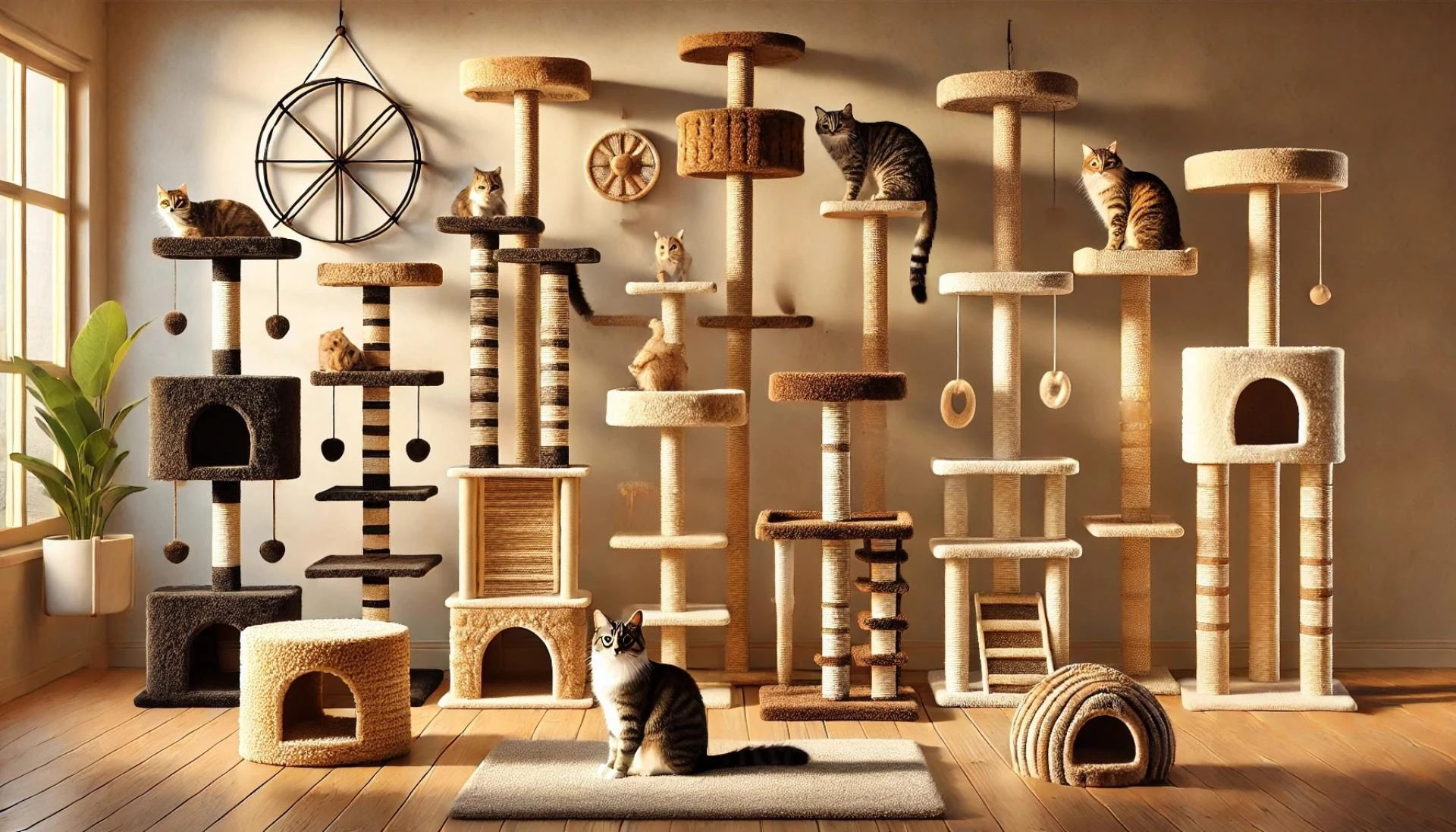
If you live in a smaller apartment, compact toys like puzzle feeders or small track toys work well. For larger homes, you have more room for cat trees, tunnels, or climbing structures. Always choose toys that fit comfortably in your space. Consider where you will store toys when not in use. Having a dedicated toy basket or box makes rotating toys easier and keeps your home tidy.
Safety First
Safety is the most important factor when choosing any toy. Inspect toys regularly for wear and tear. Remove any that have broken parts, sharp edges, or loose strings that could be swallowed. Choose toys made from non-toxic materials. Avoid those with small parts that could become choking hazards. Supervise play with wand toys and laser pointers. Store all toys out of reach when not in use to prevent unsupervised chewing.
Making Playtime Fun: Tips and Techniques
Having great toys is only half the battle. Knowing how to play with your cat makes all the difference in keeping them engaged.
Mimic Prey Movements
When using a wand toy, think like prey. Do not just wave it in your cat's face. Instead, make it move like a real animal. Have it dart quickly, then pause. Let it hide behind furniture. Make it scurry along the floor or flutter in the air. This unpredictability triggers your cat's hunting instincts and keeps them engaged for longer periods. Changing up your movements prevents boredom for both of you.
End Play Sessions on a Positive Note
It is important to let your cat "catch" the toy occasionally. This completes the hunting cycle and prevents frustration. If you are using a laser pointer, always end the game by directing the dot onto a physical toy or a treat they can capture. After a good play session, you can offer a small treat or a meal. This simulates the "capture and consume" part of the hunt. This leaves your cat feeling satisfied and content rather than frustrated.
Rotate Toys Regularly
Cats can get bored with the same toys day after day. Keep playtime exciting by rotating their toys. Put some toys away for a week or two, then bring them back. They will seem new and interesting again. Having a selection of three to four toys available at a time works well. Swap them out weekly to maintain your cat's interest. This simple strategy saves money too, because toys last longer.
Establish a Routine
Cats thrive on routine. Try to schedule short play sessions at the same times each day. Dawn and dusk are often good times. These match their natural hunting cycles in the wild. Even ten to fifteen minutes, twice a day, can make a huge difference. Regular play helps your cat burn energy and sleep better at night. It also gives you something to look forward to together.
Follow Your Cat's Lead
Pay attention to your cat's signals during play. If they seem tired or lose interest, it is okay to stop. Forcing play can create negative associations. Some days your cat will want intense chasing games. Other days they might prefer quieter puzzle toys. Letting your cat guide the play session builds trust and ensures they always enjoy their time with you.
Benefits of Different Textures and Materials
Cats experience the world through their senses. Different textures and materials add variety to playtime.
Crinkly and Noisy Toys
Many cats love toys that make crinkling sounds. These noises mimic the sounds of prey moving through leaves or grass. Crinkly balls, tunnels, and mats provide auditory stimulation that excites curious cats.
Feathers and Furry Toys
Toys with feathers or faux fur appeal to the hunting instinct. They feel like real prey in your cat's mouth and paws. These textures are especially popular for batting and carrying games.
Catnip and Silvervine
As mentioned earlier, herb-infused toys add a sensory layer to play. The smell alone can trigger playful behavior. Some cats prefer catnip, while others respond better to silvervine. Experiment to see what your cat enjoys most.
Crinkle and Crackle
Toys that make crackling sounds when squished are often irresistible. Cats love the feedback their actions create. These toys are great for solo play because they reward your cat's efforts with satisfying sounds.
DIY Interactive Cat Toys You Can Make at Home
You do not always need to buy new toys to keep your cat entertained. Simple household items can become exciting playthings. Here are a few easy ideas to try.
The Classic Cardboard Box
Never underestimate the power of a cardboard box. It can be a cave, a fort, or a hiding spot for ambushes. Cut a few holes in it for extra fun. Your cat will love exploring it from every angle. Place a toy inside to encourage investigation.
Crinkle Paper Balls
Crumple a piece of clean paper into a ball. Many cats love batting these lightweight balls around. The crinkling sound adds to the excitement. Paper bags also provide hours of entertainment for curious cats.
Toilet Paper Roll Puzzle
Take an empty toilet paper roll, fold the ends closed, and cut a few small holes in the sides. Drop some treats or kibble inside. Your cat will bat it around to make the treats fall out. This simple puzzle provides mental stimulation and a food reward.
Feather on a String
Tie a clean feather securely to a piece of sturdy string. Tie the other end to a stick or dowel. You have created a simple wand toy. Always supervise this toy closely. Prevent your cat from swallowing the string or feather by putting it away after play.
Sock Toys
Take an old clean sock and fill it with catnip and a little bit of stuffing. Tie a knot at the end. Your cat now has a soft kick toy to wrestle with. These are great for cats who like to grab toys with their back feet.
These DIY options are great for adding variety to your cat's playtime. Always ensure that any homemade toy is safe. Check for parts that could be chewed off and swallowed.
Signs Your Cat Loves Their Toys
How can you tell if your cat truly enjoys their interactive toys? Watch for these positive signs.
Engaged Body Language
A cat having fun shows relaxed but focused body language. Their ears point forward. Their eyes are wide and tracking the toy. Their tail may twitch with excitement. They might crouch low before pouncing. These are all good signs that playtime is working.
Vocalizations
Some cats chirp, chatter, or meow during play. This is often excitement or frustration at not being able to catch the toy immediately. It is usually normal and part of the fun.
Bringing Toys to You
If your cat brings toys to you, they are inviting you to play. This is a huge compliment. It means they see you as a play partner and trust you to join the fun.
Playing Independently
When your cat bats around track balls or pounces on crinkle toys alone, it shows they are comfortable and entertained. Independent play is healthy and shows your toy choices are working.
Common Mistakes to Avoid with Cat Toys
Even with good intentions, cat owners sometimes make mistakes. Avoid these common pitfalls.
Leaving Dangerous Toys Accessible
Always put away wand toys, string toys, and anything with small parts. Cats can tangle themselves or swallow dangerous items when you are not watching. Safe storage prevents accidents.
Forgetting to Rotate Toys
Leaving the same toys out all the time leads to boredom. Your cat ignores them, and you think they do not like toys. Regular rotation keeps everything fresh and exciting.
Playing Too Rough
Play should be fun, not scary. Do not wave toys aggressively in your cat's face. Let them approach and engage at their own pace. Gentle, prey-like movements work best.
Ignoring Your Cat's Preferences
If your cat consistently ignores a certain type of toy, stop buying them. Focus on what they actually enjoy. Every cat is different, and that is okay.
Not Playing Enough
Busy schedules can make playtime slip. But even ten minutes a day makes a huge difference. Prioritizing play keeps your cat healthy and your bond strong.
Conclusion
Interactive cat toys are a wonderful investment in your cat's health and happiness. They provide essential mental stimulation, encourage physical activity, and prevent boredom-related behavior problems. Most importantly, they create opportunities for you and your cat to bond and share joyful moments together. From wand toys that mimic prey to puzzle feeders that challenge the mind, the right toys can transform your cat's daily life.
Experiment with different types of toys to discover what your unique feline friend enjoys most. Watch their reactions and follow their lead. Rotate toys regularly to maintain interest. Always prioritize safety by choosing durable, non-toxic options and supervising play when necessary. Remember that playtime is not just about the toys. It is about the connection you build with your cat through shared fun and activity.









Sign in to leave a comment.