Choosing the right spray foam insulation contractor involves more than just finding someone with equipment. It requires verifying skills, checking certifications, evaluating past work, and comparing communication methods. The quality of insulation depends heavily on proper application techniques, making contractor selection a key part of any project.
Check for Licensing, Certifications, and Insurance
Hiring a contractor without credentials invites potential risks to the project and property. Start by reviewing formal qualifications and insurance coverage.
Valid Business License
Ensure the contractor holds a valid business license within your state. This confirms they are legally authorized to work and can be held accountable under regulatory codes.
Spray Foam Certification
Look for certification from recognized spray foam training organizations such as SPFA (Spray Polyurethane Foam Alliance) or ABAA (Air Barrier Association of America). Certified a contractor have documented knowledge of best practices and safety protocols.
General Liability and Worker's Compensation Insurance
Always verify insurance status. Liability insurance protects against jobsite damage, while worker’s comp ensures injuries are not your responsibility.
Review Experience With Residential and Commercial Projects
Experience shows whether a contractor understands varying insulation demands across different building types. Review project history and request references.
Range of Project Types
Ask if the contractor has worked with both residential homes and commercial properties. Application techniques can differ based on building code requirements and use cases.
References and Past Work
Request project photos and direct contacts for reference checks. Speaking with past clients often uncovers how a contractor handles communication, cleanup, and scheduling.
Years in Operation
Firms operating longer are more likely to have repeat customers, sustained processes, and fewer technical errors due to learning curves.
Evaluate Materials Used: Open-Cell vs Closed-Cell Foam
Material choice affects insulation performance air sealing, and structural support. A contractor should be familiar with both spray foam types.
Open-Cell Spray Foam
- Lower density, softer texture
- Effective sound dampening
- Best for interior walls and sound barriers
Closed-Cell Spray Foam
- Higher density, rigid structure
- Superior moisture resistance
- Often used in roofing, crawlspaces, and commercial exteriors
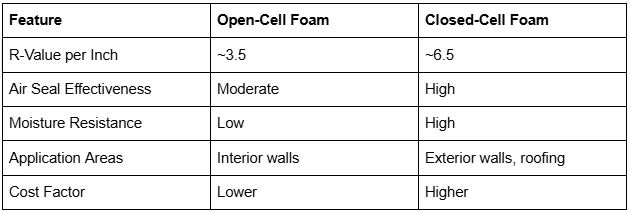
a contractor should explain where and why each type is appropriate based on your property layout.
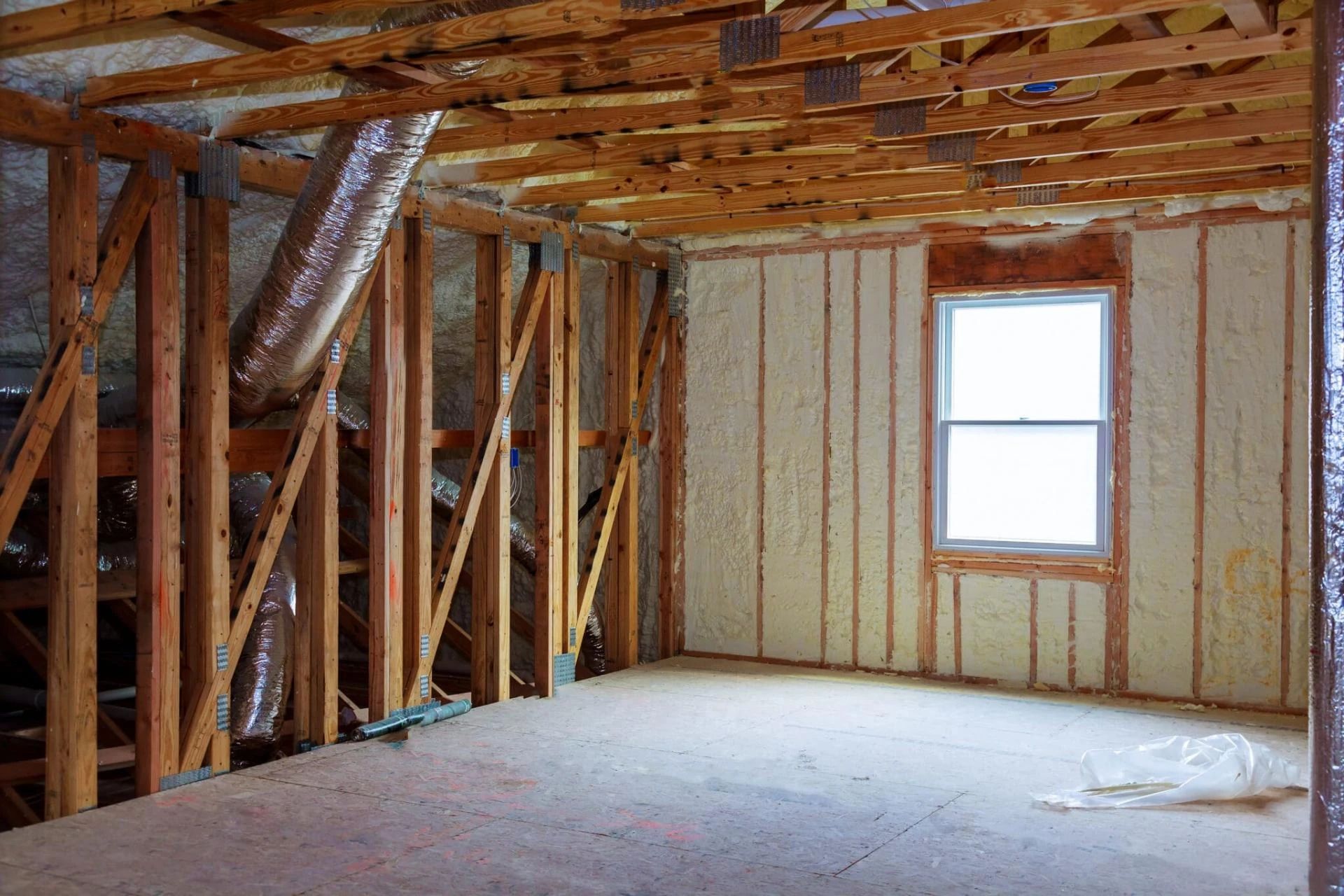
Inspect Their Application Process and Equipment
Improper mixing, uneven spray, or inadequate cure time can compromise insulation performance. The contractor’s technique matters as much as the material.
Site Preparation
Ask how the contractor prepares the space before spraying. This includes ventilation setups, masking of non-application areas, and temperature control.
Equipment Calibration
Spray foam requires precise equipment settings. Confirm that the contractor performs daily calibration checks for proportioners, hose heat, and pressure.
Safety and Cleanup Protocols
Look for mention of respirator use, disposal practices, and re-entry timelines. Responsible contractors follow OSHA guidelines and leave minimal residue behind.
Understand Warranty Terms and Post-Install Support
A warranty signals accountability. Clarify how the contractor handles defects, service calls, and product longevity before signing a contract.
Workmanship Warranty
Ask if labor is covered separately from material guarantees. A standard workmanship warranty ranges from 1 to 5 years depending on the contractor.
Material Warranty
Manufacturers typically offer separate warranties on foam products. Ask which brand the contractor uses and whether documentation is provided.
Response Time for Issues
Check how long it takes to address defects, and whether there are any service charges. Quality a contractor respond within days, not weeks.
Ask About Code Compliance and Local Permits
Proper spray foam insulation must meet regional energy codes and sometimes requires a permit for installation. A contractor should know these requirements.
Knowledge of Local Building Codes
Verify familiarity with state or municipal insulation standards. For example, some areas restrict foam in unvented attics or require ignition barriers.
Permit Handling
A reputable contractor handles permit filing or clearly advises when permits are not required. Avoid firms that dismiss code checks as optional.
Compare Communication, Estimates, and Timeline Accuracy
Professionalism isn’t just about technical skill. It includes clarity in written quotes, punctuality, and follow-up after the job is done.
Clarity of Proposal
Quotes should outline square footage, foam type, R-value targets, ventilation measures, and timeline. Avoid vague language or bundled pricing.
Communication Method
Ask how updates are shared—email, SMS, or in-person. A good contractor stick to agreed schedules and update clients on delays or changes.
Timeline Adherence
Projects typically require one to three days depending on size. Ask how delays are handled, especially in cases of humidity or weather complications.
Conclusion
Choosing the right spray foam insulation contractor requires attention to more than cost or availability. Start by confirming certifications, insurance, and material knowledge. Evaluate project history to match your property’s needs. Ask specific questions about foam types, application procedures, and warranty coverage. Clear communication, documented quotes, and adherence to building codes set the best a contractor apart.
Making an informed selection helps avoid installation failures and ensures long-term thermal efficiency. By following a structured evaluation, both homeowners and commercial property owners can secure reliable insulation performance and lower energy costs over time.
FAQs
How do I verify a spray foam contractor’s license and insurance?
Ask for the contractor’s business license number and proof of insurance documents. Cross-check license status on your state’s contractor licensing board website.
Can I use the same contractor for residential and commercial insulation?
Yes, if the contractor has experience with both project types. Ask for examples of past work in each category to confirm capability.
Is open-cell or closed-cell foam better for attics?
Closed-cell foam is typically better for attics due to its moisture resistance and higher R-value per inch. Open-cell may be used if budget is a concern or sound absorption is a goal.
Do all spray foam projects require a permit?
Not always. Permit requirements vary by city and building type. Check with your local building authority or ask the contractor to verify.
What’s the risk of hiring an uncertified spray foam contractor?
Uncertified a contractor may apply the foam improperly, leading to air leaks, odor issues, or insulation failure. Certification ensures minimum standards of knowledge and skill.
Reviewer: Samuel Harris has worked across various roles in spray foam insulation over 11 years. His review focused on how businesses can better present their services to both new and returning clients.












Sign in to leave a comment.