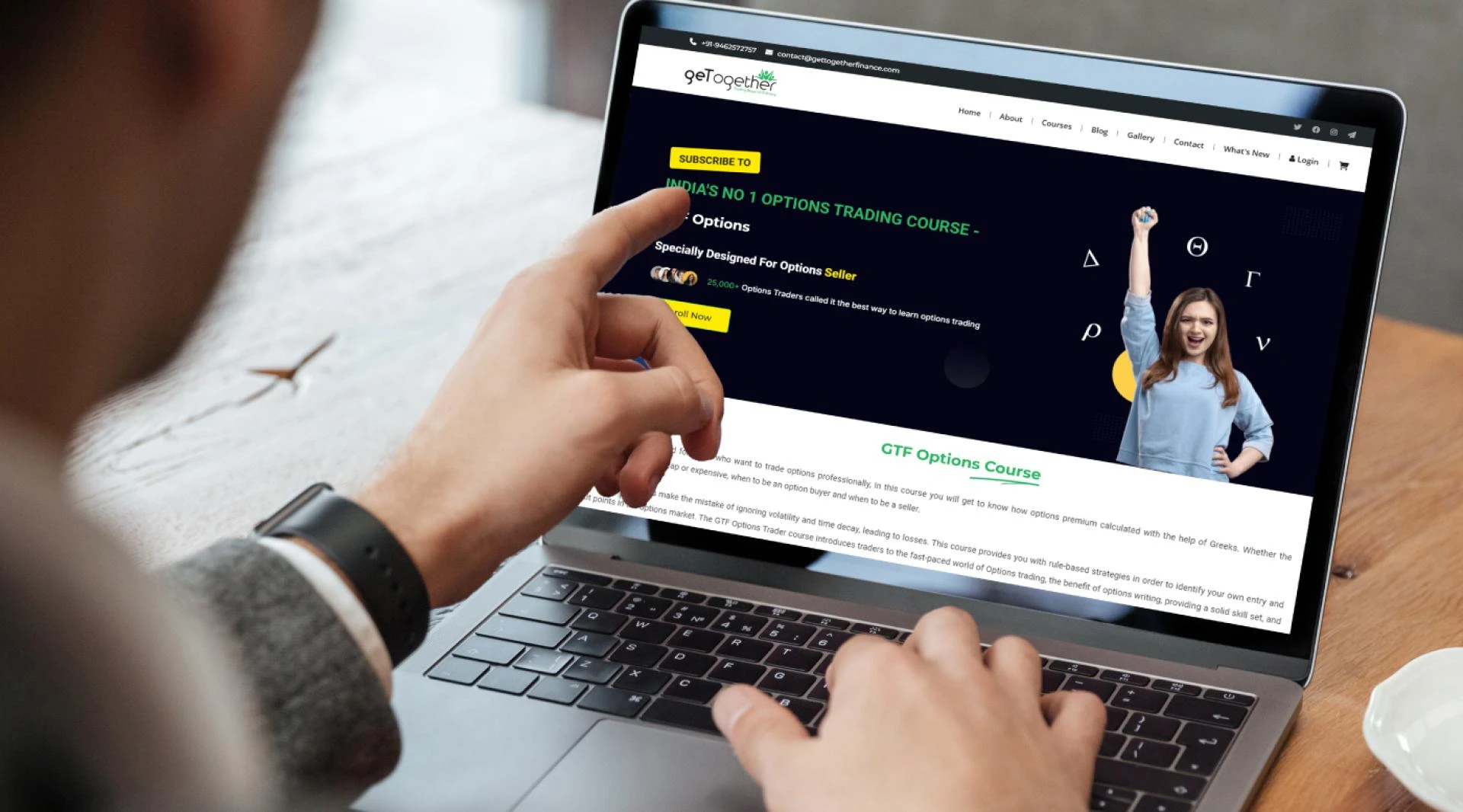

With the rise of digital learning, anyone can now master investing and trading from home. But with hundreds of stock market courses online available, choosing the right one can feel overwhelming — especially when every course claims to be “the best.”
The truth is, not every course is meant for every learner. The ideal stock market course depends on your goals, skill level, budget, and the way you prefer to learn. This guide will help you evaluate your options and choose the right online stock market course for your personal or professional goals.
1. Start by Defining Your Learning Goal
Before you start comparing courses, get clear on what you actually want to achieve.
Ask yourself:
- Do I want to learn the basics of how the stock market works?
- Am I more interested in day trading or long-term investing?
- Do I want to specialize in technical analysis or fundamental analysis?
- Is this just a personal learning goal or a step toward a trading career?
Your answers will guide your course choice. For example, beginners should start with a foundational course, while professionals may benefit more from an advanced certification course in trading strategies or portfolio management.
2. Research the Instructor or Institute
The quality of your learning depends heavily on who’s teaching you.
Before enrolling in any stock market course online, research the instructor’s background.
- Are they an experienced trader or certified financial analyst?
- Do they have a verifiable track record of trading success?
- Have other students reviewed their teaching positively?
A course taught by a professional trader with real market experience will offer insights that theory-based educators often miss.
3. Examine the Course Curriculum in Detail
The course content should align with your goals and experience level.
A high-quality stock market course online will cover topics such as:
- How the stock market works
- Basic and advanced technical analysis
- Chart patterns, indicators, and price action
- Fundamental analysis and financial statement reading
- Trading psychology and risk management
- Live or simulated trading exercises
If the course skips over essential concepts like risk management or emotion control, it’s likely incomplete.
4. Look for Practical Learning Opportunities
Trading is a skill best learned by doing.
Theoretical videos can teach you concepts, but you’ll only understand them fully when you see how they apply in real markets.
The best stock market courses online include:
- Demo accounts or trading simulators
- Case studies based on real stock movements
- Assignments that require market analysis
- Live mentorship or doubt-clearing sessions
A good rule of thumb: if the course doesn’t give you a way to practice, it won’t help you grow.
5. Compare Learning Formats and Accessibility
Different learners thrive under different learning conditions.
- Recorded courses are great for self-paced study.
- Live sessions allow real-time interaction with instructors.
- Hybrid courses combine both — flexibility with accountability.
If you’re a working professional, choose a self-paced course that offers lifetime access so you can revisit lessons anytime. For those who prefer interactive learning, look for live mentorship or community-driven programs.
6. Evaluate Pricing and Value
Cost matters — but value matters more.
Many people assume expensive courses automatically mean better quality, but that’s not always true. Some of the best stock market courses online are affordable yet rich in content and mentorship.
When comparing, ask:
- Does the price include mentorship or post-course support?
- Is there a certification upon completion?
- Will you get updates or additional modules later?
Treat your education as an investment — not an expense.
7. Read Reviews and Testimonials
Before making a decision, check what past students have to say.
Real reviews often reveal insights into teaching style, content depth, and support quality.
Look for verified feedback on platforms like Google, Trustpilot, or course forums.
Avoid courses that have generic or overly promotional testimonials with no real student stories or outcomes.
8. Check for Certification and Career Relevance
If your goal is career advancement or working in the finance industry, certification adds value.
Choose a stock market course online that provides recognized certificates or is partnered with reputable institutions.
Certification may not be essential for personal traders, but it enhances credibility if you plan to manage client portfolios or apply for trading-related roles.
9. Look for Post-Course Support and Community Access
The best courses don’t end when the videos stop.
Continuous support — via mentorship, alumni groups, or live updates — ensures you can clarify doubts even after completing the program.
An active student community also provides networking opportunities and real-world insights that keep your learning alive long-term.
10. Avoid Common Red Flags
Be cautious of courses that:
- Guarantee profits or success
- Sell “secret formulas” or “sure-shot strategies”
- Lack transparent instructor details
- Don’t allow previews or demos
The stock market rewards discipline and strategy — not hype. Choose a course that emphasizes realistic learning, patience, and risk management.
Bonus Tip: Match the Course to Your Learning Style
If you’re a visual learner, choose a course with live charting demos.
If you prefer reading, look for structured PDFs and summaries.
If you thrive on discussion, prioritize interactive group classes.
The “best” stock market course online is the one that matches your way of learning.
Final Thoughts
Selecting the right stock market course online isn’t about finding the flashiest advertisement or the most expensive instructor — it’s about finding the one that fits your goals, learning style, and budget.
Take your time, do your research, and look for credibility, structure, and practice-based learning. The right course will not only teach you how to trade but also how to think like a trader — disciplined, analytical, and patient.
In the stock market, success comes to those who learn before they leap. A good course doesn’t just prepare you to invest money; it prepares you to protect it.










Sign in to leave a comment.