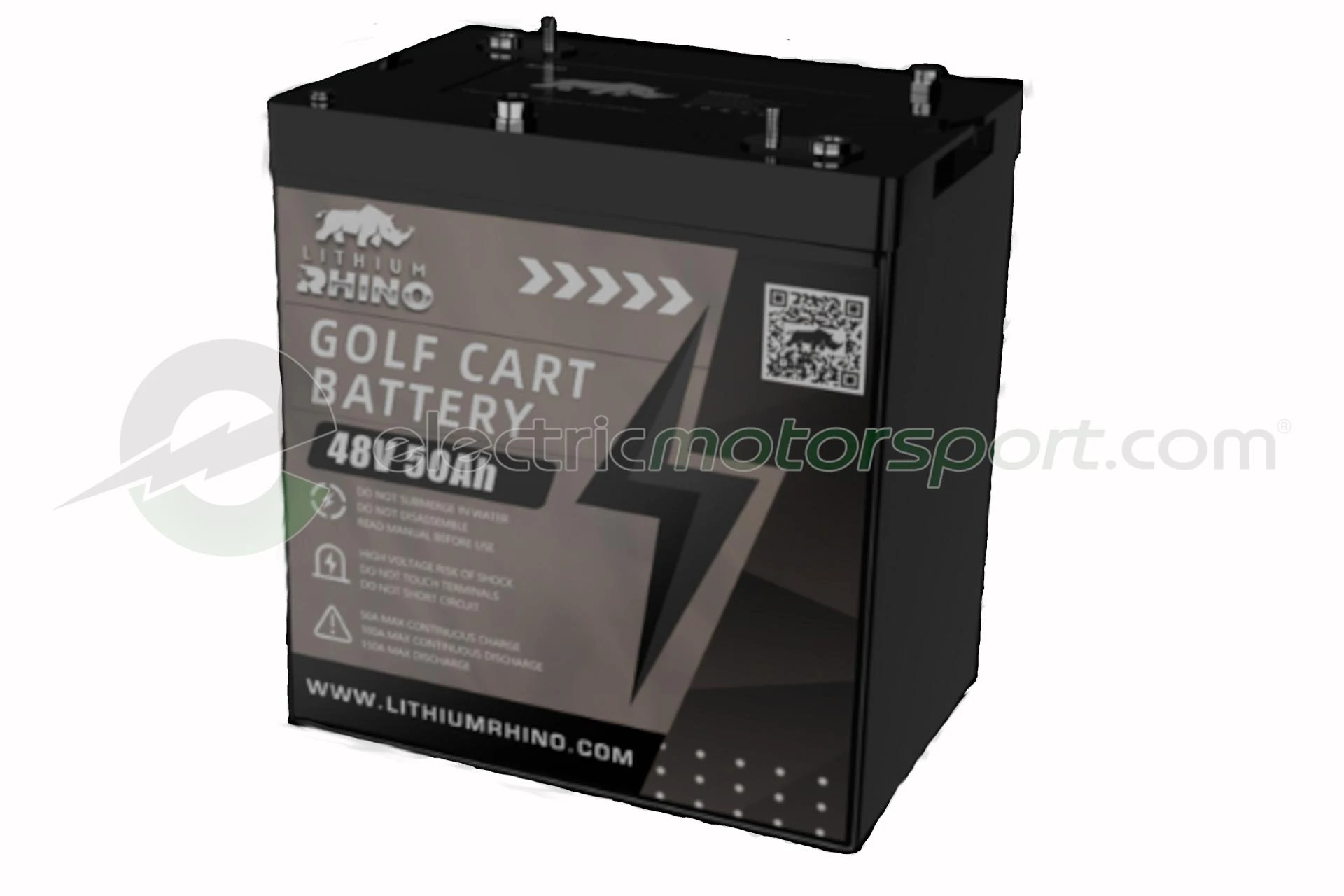

If you own a 48V Club Car golf cart, you already know how reliable and enjoyable it can be. But if your cart is still running on lead-acid batteries, you’re missing out on a major upgrade that can completely transform its performance — switching to lithium batteries. A convert 48v club car to lithium isn’t just a modern trend; it’s a smart investment that improves speed, range, charging time, and long-term reliability. Here’s everything you need to know about how and why to make the switch.
Why Convert to Lithium?
Lithium batteries offer several advantages over traditional lead-acid packs. First, they deliver consistent power — your Club Car won’t slow down as the charge drops. Lithium batteries are also much lighter, reducing the overall weight of your cart by up to 300 pounds. This translates into faster acceleration, higher top speeds, and improved efficiency.
Another major benefit is longevity. A typical lead-acid battery lasts about 3–5 years, while a lithium battery can last 10 years or more with proper care. You’ll also spend less time and money on maintenance since lithium batteries don’t require watering or corrosion checks. Add in the fact that they charge up to four times faster, and it’s easy to see why more golf cart owners are opting for a 48V Club Car lithium conversion.
Step 1: Choose the Right Lithium Battery Kit
Start by selecting a lithium conversion kit compatible with your Club Car model. Reputable brands like RoyPow, Eco Battery, and Allied Lithium offer plug-and-play 48V kits designed specifically for Club Car carts. These kits typically include the lithium battery, charger, mounting brackets, and necessary cables. Be sure to match the voltage (48V) and capacity (in amp-hours, or Ah) to your performance needs — a higher Ah means longer run time.
Step 2: Remove the Old Lead-Acid Batteries
Before starting, disconnect your golf cart from all power sources and wear protective gear. Remove the seat and battery compartment cover. Carefully disconnect the battery cables, starting with the negative terminal. Take out all six 8V lead-acid batteries (or four 12V, depending on your setup) and clean the tray area. Properly recycle the old batteries at a local disposal center.
Step 3: Install the Lithium Battery
Place your new lithium battery in the tray, using the provided brackets or spacers. Lithium packs are usually smaller, leaving extra space in the compartment. Connect the cables according to the manufacturer’s instructions, ensuring tight, secure connections. If the kit includes a Battery Management System (BMS), verify that it’s properly connected to monitor voltage and temperature.
Step 4: Mount the Charger and Test
Install the lithium charger in the recommended location and connect it to the battery. Plug in the charger to ensure it powers on correctly. Once charged, take your Club Car for a test drive to check acceleration, speed, and range.
The Result: Power, Efficiency, and Freedom
After completing your 48V Club Car lithium conversion, you’ll notice immediate improvements in performance and reliability. Your cart will feel lighter, run longer, and require virtually no maintenance. It’s an upgrade that pays off in convenience, energy efficiency, and long-term cost savings — making your Club Car better than ever.














Sign in to leave a comment.