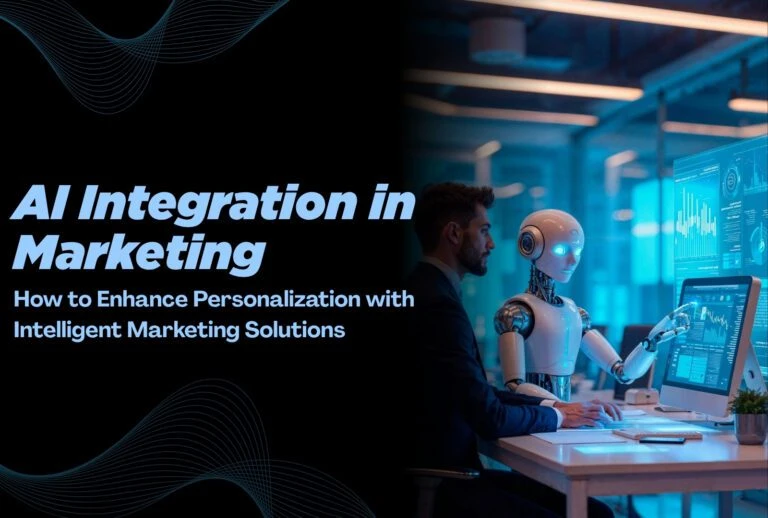
In today’s fast-paced digital world, staying ahead of competitors requires more than just offering quality products or services it demands delivering personalized, data-driven experiences. Artificial intelligence (AI) is at the forefront of this marketing revolution. By integrating AI into marketing strategies, businesses can analyze data more effectively, create targeted content, and gain deeper insights into customer behavior. This approach enables brands to build campaigns that drive engagement, conversions, and long-term growth.
In this blog, we’ll explore how AI enhances marketing personalization and provide actionable steps to implement intelligent marketing solutions effectively.
What is AI Integration in Marketing and Why Does It Matter?
AI integration in marketing refers to leveraging artificial intelligence technologies to optimize workflows, automate repetitive tasks, and make data-driven decisions. Its core advantage lies in the ability to deliver highly relevant experiences to customers at scale. Key components of AI integration include:
- Data Analysis: AI can process vast datasets quickly, identifying patterns and trends that human analysts might miss.
- Content Creation: AI tools generate blogs, social media posts, emails, and ad copy efficiently, reducing manual effort while maintaining quality.
- Customer Insights: AI evaluates customer behavior, preferences, and purchase history to guide personalized marketing strategies.
By implementing intelligent marketing solutions, brands can make smarter decisions, minimize errors, and boost the effectiveness of campaigns.
How Can AI Enhance Personalization in Marketing?
Personalization is essential for engaging customers in a meaningful way. AI takes personalization to the next level by enabling marketers to:
- Segment audiences more accurately: Use demographics, browsing behavior, and past interactions to deliver the right message to the right person.
- Predict customer behavior: AI-powered predictive analytics forecast which products or services a customer is likely to purchase next.
- Deliver dynamic content: Tailor emails, website content, and ads in real-time based on user behavior.
Research shows that personalized marketing can increase engagement by over 20% and improve conversion rates by up to 15%, making AI-driven automation a crucial investment.
Best AI-Powered Tools for Marketing
Several AI tools are transforming marketing workflows and improving campaign efficiency:
- Data Analytics Platforms: Tools like Google Analytics 4, HubSpot, and Adobe Analytics provide actionable, data-driven insights.
- Content Generation Tools: Platforms such as ChatGPT, Jasper AI, and Copy.ai help marketers produce high-quality content quickly.
- AI-Powered CRM Tools: Solutions like Salesforce Einstein predict customer needs and automate personalized outreach, enhancing engagement and sales.
Selecting the right tools depends on your objectives, budget, and technical capabilities.
Key Benefits of AI Integration in Marketing
Integrating AI into marketing delivers measurable advantages:
- Efficiency and Time Savings: Automate repetitive tasks so your team can focus on strategic initiatives.
- Data-Driven Decisions: Use predictive analytics and real-time insights to optimize campaigns.
- Enhanced Customer Experience: Provide personalized recommendations and content tailored to individual customers.
- Improved ROI: Increase engagement, conversions, and overall campaign performance.
These benefits demonstrate why AI is quickly becoming a cornerstone of modern marketing strategies.
How to Implement AI in Your Marketing Strategy
A structured approach is essential for successful AI adoption:
- Identify Key Objectives: Determine whether AI will focus on content creation, analytics, or customer engagement.
- Choose the Right AI Tools: Select platforms that align with your goals, budget, and team capabilities.
- Train Your Team: Ensure your marketing team understands how to leverage AI effectively.
- Continuously Optimize: Monitor performance and refine AI-driven campaigns to maximize results.
This systematic approach ensures that AI integration enhances productivity and delivers measurable business outcomes.
The Future of AI in Marketing
AI is not a passing trend—it’s shaping the future of marketing. As AI technology evolves, marketers can expect:
- More sophisticated predictive models
- Hyper-personalized campaigns
- Fully automated workflows
Brands that embrace AI-driven marketing today will gain a competitive edge in efficiency, customer engagement, and ROI.
Conclusion: Why AI Integration in Marketing is a Game-Changer
AI integration allows businesses to harness the power of data, automate content creation, and deliver personalized experiences at scale. By adopting AI marketing tools and intelligent marketing solutions, companies can increase engagement, drive conversions, and achieve measurable results. In a digital world where customer expectations are constantly rising, AI is no longer optional; it’s essential for success.
Read More- https://champ360marketing.com/ai-integration-in-marketing/









Sign in to leave a comment.