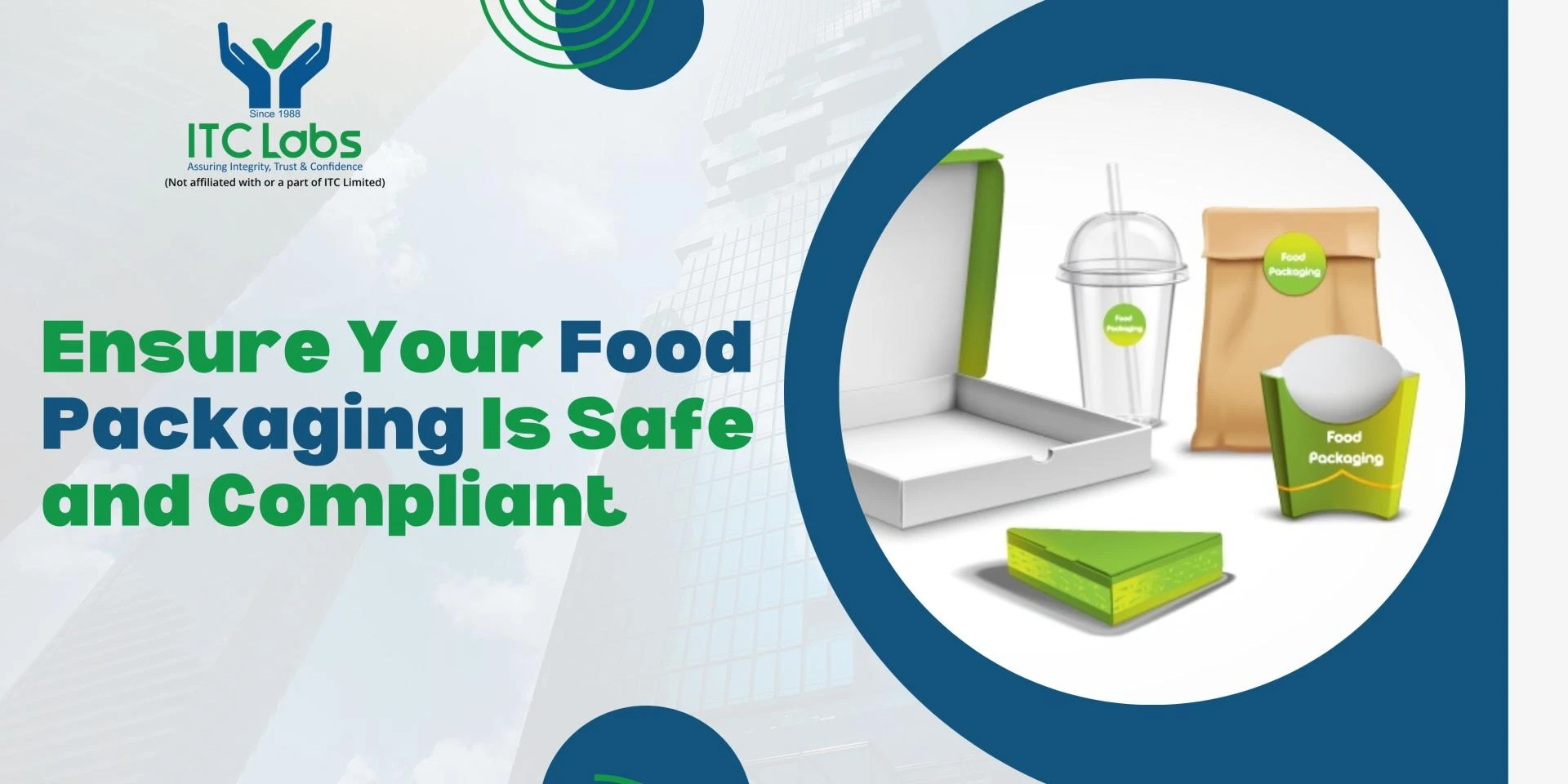
In today’s highly regulated and safety-conscious food industry, food packaging testing is more than just a formality—it’s a critical step in ensuring public health, regulatory compliance, and brand reputation. Unsafe packaging can lead to contamination, spoilage, or migration of harmful substances into food, causing serious consequences for consumers and businesses alike.
Whether you're a food manufacturer, packaging supplier, or startup launching a new product, ensuring your packaging is safe and compliant should be a top priority. Here's how you can make it happen.
Why Food Packaging Safety Matters
Food packaging serves multiple roles: it protects food from physical damage, prevents contamination, extends shelf life, and delivers key information to consumers. But when packaging materials interact negatively with food—through chemical migration, for example—it can compromise food safety and quality.
That’s where food packaging testing plays a crucial role. By rigorously testing packaging materials, manufacturers can detect potential issues before products reach store shelves.
Know the Regulatory Requirements
Ensuring compliance starts with understanding the applicable standards and regulations. Packaging materials that come into direct contact with food are subject to strict rules, including:
- FDA (U.S.) Regulations for Food Contact Substances (21 CFR)
- EU Framework Regulation (EC) No. 1935/2004
- BIS Standards (for Indian manufacturers)
- ISO Guidelines for packaging materials
These laws ensure that food-grade packaging does not leach harmful substances into food. Non-compliance can result in product recalls, legal penalties, and long-term damage to your brand.
Key Areas of Food Packaging Testing
To ensure both safety and compliance, comprehensive testing is necessary. The main areas include:
1. Chemical Migration Testing
This evaluates whether any chemicals from the packaging migrate into the food under typical storage and usage conditions. It's one of the most important aspects of food packaging testing, particularly for plastic, laminated, or coated materials.
2. Heavy Metal Testing
Regulations often restrict the use of certain heavy metals (like lead, cadmium, or mercury) in food packaging. Testing ensures these elements are either absent or within permissible limits.
3. Sensory Testing
Some packaging materials may alter the taste or smell of food. Sensory testing identifies such issues early in the product development cycle.
4. Barrier Property Testing
This includes tests for moisture, oxygen, and gas permeability. It’s especially important for products that are sensitive to oxidation or need extended shelf life.
5. Mechanical and Thermal Testing
Testing the strength, durability, and heat resistance of packaging materials ensures they withstand transportation, storage, and usage without degrading or contaminating the contents.
All these aspects contribute to overall quality testing, ensuring that the packaging meets functional, regulatory, and safety benchmarks.
Choose a Reputable Food Testing Partner
A reliable lab partner can make or break your food safety program. This is where ITC Labs comes into the picture. With over 36+ years of experience in food testing services, ITC Labs is a trusted name in the industry.
Their expertise spans a wide range of food testing services, including:
- Comprehensive food packaging testing
- Food contact material analysis
- Migration testing (global and specific)
- Polymer identification and quantification
- Sensory, mechanical, and barrier testing
- Customized compliance support for exports and domestic markets
By choosing a seasoned partner like ITC Labs, you gain access to state-of-the-art technology, certified methods, and a team of experts who understand the nuances of both local and global regulatory frameworks.
Best Practices for Safe and Compliant Packaging
Even with the best testing partner, there are practices every manufacturer should adopt:
1. Involve Testing Early in Product Development
Don't wait until packaging is finalized. Incorporate quality testing during the design phase to catch potential issues early.
2. Test Every Batch of New Packaging Material
Suppliers may change materials or processes without notice. Regular batch testing ensures consistency and compliance.
3. Maintain Documentation
Regulators and retailers often require proof of compliance. Keep test reports, material declarations, and certificates organized and readily accessible.
4. Stay Updated with Regulations
Food packaging regulations are constantly evolving. Subscribe to updates from relevant authorities and consult labs like ITC Labs to remain informed.
5. Train Your Team
Make sure your product development, procurement, and quality control teams are aware of
packaging risks and the importance of testing.
Real-World Consequences of Ignoring Packaging Safety
Several high-profile recalls have stemmed from packaging-related contamination. In some cases, ink from printed labels migrated into food. In others, poor-quality plastic released harmful chemicals under heat.
Besides the obvious health hazards, the reputational damage, financial loss, and legal fallout can be devastating for brands. Investing in proper food testing services is not just a safety measure—it’s a smart business decision.
Final Thoughts
In an industry where trust, health, and compliance are paramount, food packaging testing is an indispensable tool. From identifying potential hazards to ensuring regulatory compliance, testing safeguards both consumers and brands.
By working with a reputable partner like ITC Labs, which has been providing food testing services for more than 36 years, manufacturers can ensure their packaging is not only safe but also compliant with the highest standards. In a competitive and increasingly transparent food market, that level of assurance is invaluable.











Sign in to leave a comment.