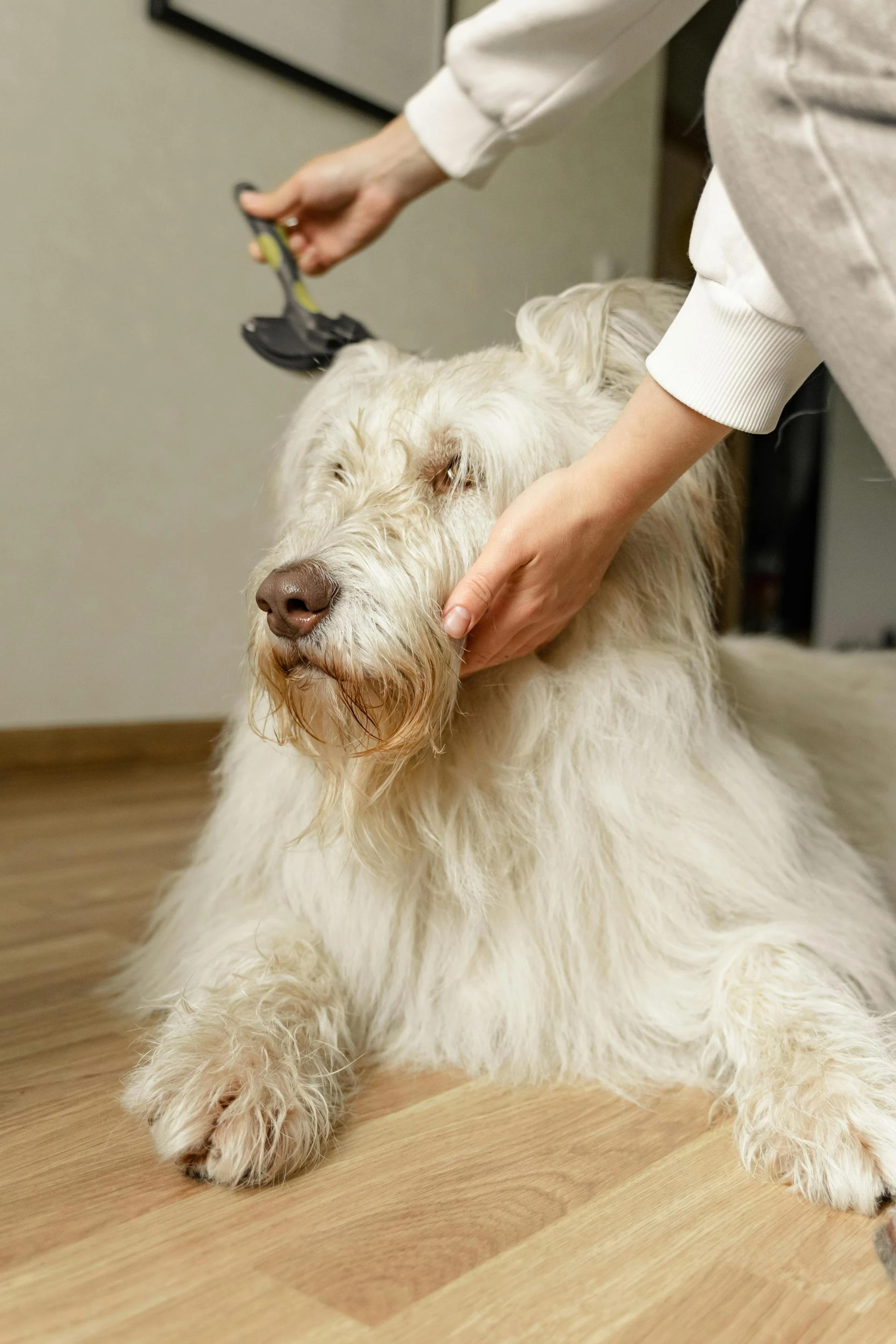

Grooming has a crucial role in your dog's health and hygiene, but not every pup likes the process. Some dogs get anxious, restless, or even scared when it's time to take a bath, brush, or trim nails. The good news? With patience, consistency, and the right approach, you can help your dog not just put up with grooming—but like it. Making grooming a positive experience helps both you and your four-legged friend in the long run.
Start and Go Slow
Getting your dog used to grooming pays off. Puppies tend to be curious and flexible, which makes it easier to create good feelings about grooming tools and routines. Begin with quick soft sessions that center on touching and handling. Give your dog a chance to smell the brush, listen to the clippers' noise, and sense your hands on their paws and ears.
Use Positive Reinforcement
Rewarding your dog has a powerful effect on changing its behavior. Give your dog treats, show affection, or offer toys while you groom it and after you finish to create a good link. For instance, offer a treat when you trim each paw or after you brush for a few minutes.
Stay calm and don't punish or scold your dog even if it fights back. Bad experiences can make your dog more anxious and cause problems in future grooming sessions. Instead, focus on rewarding your dog when it stays calm and build trust as time goes on.
Make Grooming a Routine
Dogs do well with routines, and this includes grooming. Setting up a regular grooming schedule helps your dog understand what's coming and cuts down on stress. Whether you brush every night or give a bath every couple of weeks, doing it builds familiarity and ease.
Pick a quiet peaceful spot for grooming and use the same place if you can. Put a non-slip mat in the tub or on the grooming table to help your dog feel steady. Keeping things predictable and relaxed helps your dog chill out.
Get Your Dog Used to Tools and Touching
A lot of dogs feel uneasy around grooming tools because they don't know them well. Take time to familiarize your dog with brushes, clippers, and nail trimmers by allowing them to check out these tools without using them right away. You can also touch your dog's paws, ears, and tail when you cuddle to help them get used to being handled.
Consider Professional Help
When home grooming causes too much stress or proves challenging professional groomers can provide an excellent alternative. These skilled professionals know how to handle skittish dogs with gentleness and understanding. They also possess the appropriate equipment and methods to ensure a quick and secure grooming experience.
Many dog owners discover that scheduled appointments for dog grooming in Apex, NC help their pets grow more at ease with the process as time goes on. Professional groomers work with dogs of all dispositions and can suggest ways to maintain your dog's fur and cleanliness between visits. Some even offer starter sessions for puppies or nervous dogs to help them adjust step by step.
Conclusion
Getting your dog to enjoy grooming takes time, patience, and lots of praise—but it's worth the effort. Dogs that feel calm during grooming are easier to care for and less likely to develop stressful behaviors. When you start, use gentle methods and stick to a routine. Grooming can become a bonding time that helps keep your dog healthy and happy. Whether you groom at home or take your dog to a pro, the goal is to make each session positive.








Sign in to leave a comment.