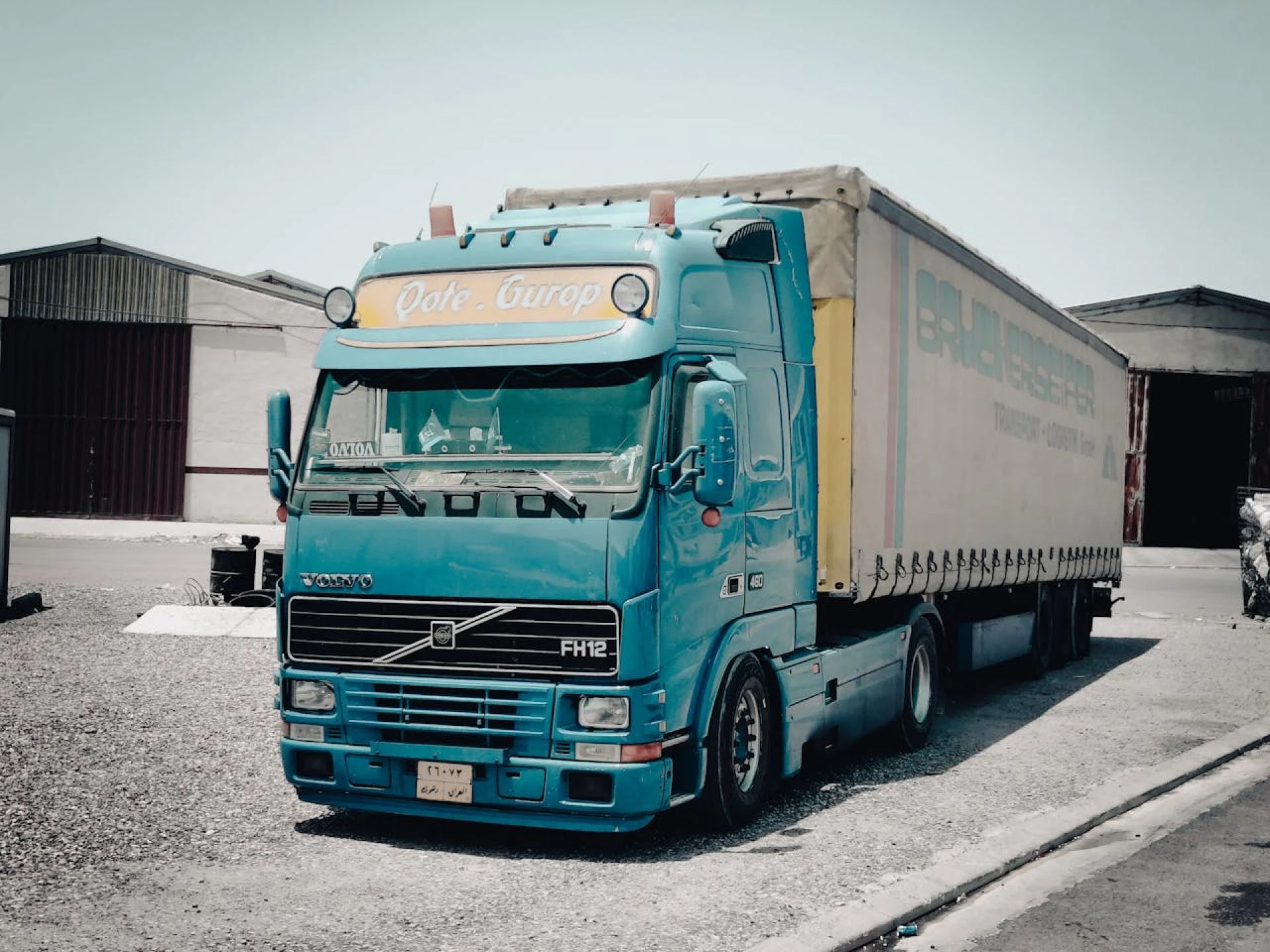

Moving exceptionally large or heavy cargo isn’t as simple as loading it onto any truck. If you’ve ever seen overdimensional loads occupying multiple lanes on highways, complete with flashing lights and escort vehicles, you’ve witnessed Mastering the Roadblocks of Over-Dimensional Hauling in action. This niche of the trucking industry specializes in transporting freight too large or heavy for standard trucks.
If you manage large projects or need to move heavy machinery, understanding the basics of over-dimensional hauling is essential for ensuring your assets arrive safely and legally. This type of transport requires specialized equipment designed for oversized loads, meticulous planning, and a thorough knowledge of transportation regulations — from legal size limits to route specifics. Leading trucking companies focus on these challenges to deliver reliable heavy haul transport services.
What Exactly Is Over-Dimensional Hauling?
Overdimensional loads exceed the legal size or weight limits for standard trucks. Each state, province, and local municipality sets specific rules about maximum length, width, height, and weight that a standard vehicle can carry on public roads. Loads exceeding these limits fall into the category of over-dimensional hauling.
Common examples include massive construction machinery, wind turbine blades, and prefabricated building sections—items too large for regular flatbeds or containers. Moving these items demands expertise, often spanning multiple jurisdictions, and requires careful coordination and hauling permits to avoid infrastructure damage and safety hazards.
Why Specialized Transport Is Essential
Using regular trucks for oversized loads isn’t just risky — it’s often illegal and unsafe. Standard trucks aren’t engineered to handle the unique weight distributions or physical sizes of such cargo. Imagine hauling a huge bulldozer on an unsuitable trailer — structural failure could cause severe accidents. Likewise, improperly planned routes could lead to collisions with bridges or road signs.
Specialized trailers are built for extreme weights and dimensions, managed by skilled logistics teams from experienced trucking companies. Routes are carefully planned, and specialized securement methods protect both cargo and public safety.
Common Types of Over-Dimensional Loads
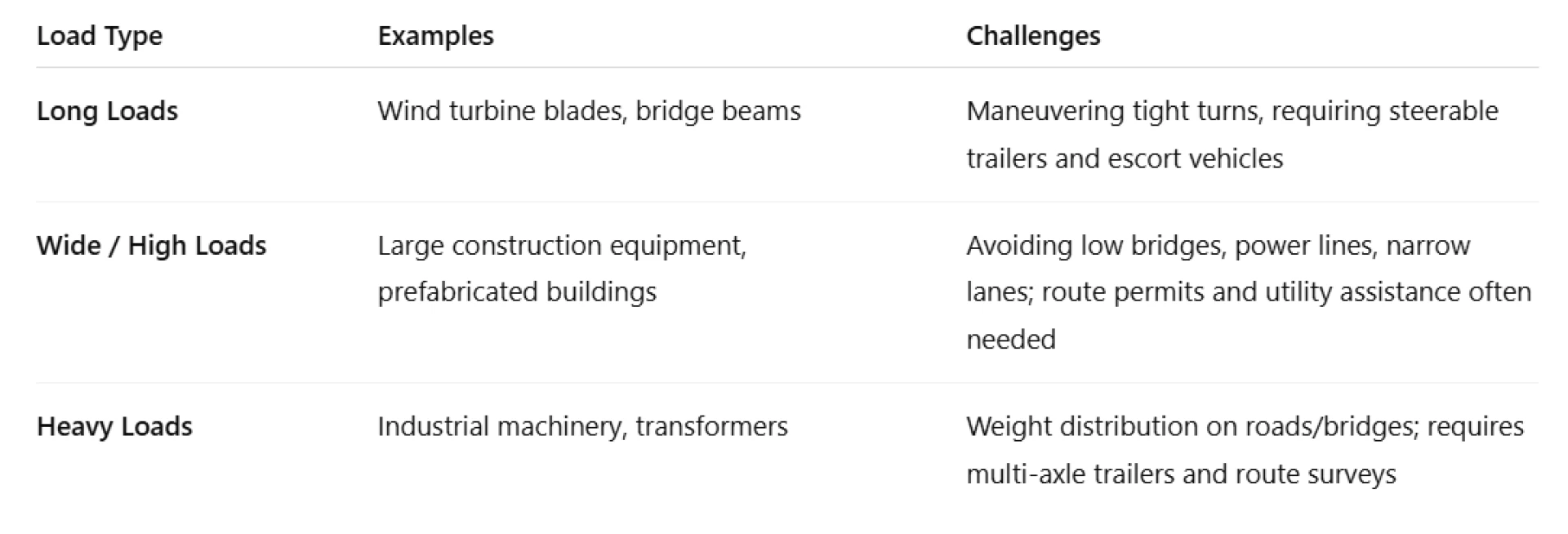
Understanding the types of loads helps clarify the challenges involved:
Specialized Trailers for Over-Dimensional Hauling
Multi-Axle Lowboys
These lowbed trailers sit close to the ground, ideal for tall loads needing extra clearance under bridges and overpasses. They feature multiple axles to distribute weight legally and often have detachable goosenecks to ease loading heavy machinery.
Beam Trailers
Designed with a central beam supporting the cargo directly, beam trailers are perfect for long, heavy, or uniquely shaped loads like bridge sections or pressure vessels. Their adjustable length and steerable axles help negotiate corners safely.
Blade Trailers
These extendable trailers transport long, delicate wind turbine blades. Equipped with hydraulics and steerable axles, they enable careful maneuvering of blades through tight turns and challenging routes.
Planning and Permits: The Backbone of Safe Transport
Every over-dimensional haul requires detailed route surveys and planning. Potential obstacles—low bridges, weight-limited roads, power lines, and construction zones—must be identified in advance. Some routes require special permits, utility adjustments, and coordinated escorts.
Obtaining permits demands precise load details, including dimensions, weight, and trailer configuration. Jurisdictions impose conditions such as travel time restrictions, escort vehicle mandates, and specific speed limits to safeguard infrastructure and public safety.
Regulations and Compliance
Strict adherence to regulations is mandatory. Oversized loads must comply with signage, lighting, load securement, and driver hours-of-service requirements set by agencies like the FMCSA. Non-compliance risks fines, permit revocation, and delays.
Since regulations vary by jurisdiction, working with experienced heavy haul professionals and reliable trucking companies ensures all requirements are met seamlessly across state or provincial borders.
Safety Measures: Load Securement and Escort Vehicles
Properly securing oversized cargo prevents shifting during transit, which could cause accidents or damage. Specialized chains, high-strength binders, blocking, and bracing techniques tailored for irregularly shaped loads are standard.
Escort vehicles (pilot cars) travel ahead and sometimes behind the transport truck, communicating road hazards and ensuring traffic flow around wide loads. Their presence is often a permit requirement and critical to a safe, efficient delivery.














Sign in to leave a comment.