
Everything that you do as a horse owner is centered on the health and comfort of your horse. Be it a competitive athlete, laboring partner, or adored companion, the performance and quality of life of your horse is based on soundness. Stifle lameness is one of the conditions that can impair mobility silently and cause persistent pain. Due to the intricacy of the stifle joint and its entangled nature in the movement, issues with this region may be difficult to identify until they escalate.
We will deconstruct what exactly is stifle lameness, how to identify the symptoms, and what you can do about your horse, particularly with the assistance of a specific dietary supplement like the Optiwize senior horse supplement.
Understanding the Stifle Joint
The stifle at the back of a horse is like the human knee--a big load bearing joint in the hind leg. It joins the femur (thigh bone), patella (kneecap) and tibia (shin bone) and there are very strong ligaments, cartilage and muscles that act coordinately to permit flexion and extension.
The stifle is in a continuous state of stress on a daily basis due to its importance on forward motion when walking, trotting, cantering or jumping. Any injury, degeneration, or weakness of this joint may cause the stifle to lame.
What Causes Stifle Lameness?
The stifle joint can be affected by a number of conditions:
Soft tissue injury – Ligament or tendon damage in the joint.
Cartilage wear or arthritis - Degeneration that happens gradually and is common in older or heavily worked horses.
Patellar fixation (“locking stifle) - The knuckle-cap is trapped and fails to slide out.
Osteochondritis dissecans (OCD) A condition found in younger horses when cartilage fails to form correctly.
Although any horse might develop stifle problems, geriatric horses are particularly vulnerable to them because of normal aging, loss of muscular tone, and damage of cartilage.
Early Signs of Stifle Lameness in Horses
Early detection of stifle lameness is important since the faster you are able to act, the more likely you are to be able to control the pain and avoid permanent injuries. The following are the most common symptoms to look out:
1. Reduced Stride or Lopsided Walk.
When your horse appears to be stepping shorter with the back legs or dragging the toes, this can be a warning that their stifles are not feeling well. The joint is weak in terms of flexing.
2. Reluctance to Move Forward
A horse with stifle pain will not want to move forward under saddle, will balk at changes, or will not want to collect. They can also have more difficulty when climbing a hill or when they are required to reverse.
3. Problem with picking up or holding canter lead.
Since the stifle manages the power of the hindquarters, stifle lambs swap leads, cannot canter or look unbalanced.
4. Weakness or Atrophy of Hindquarters.
In the course of time, the discomfort results in a decrease in the usage of the affected leg, making any muscle loss in the hindquarters evident. You can notice this more easily when you look at both sides of your horse.
5. The Stifle needs to be locked up or caught.
The fact that the stifle becomes locked up, and the horse cannot move the leg normally, is one of the more obvious indicators. This can occur now and then or more often depending on the severity.
6. Behavioral Changes
In other cases the symptoms are less pronounced, your horse might be fussy, stubborn in training, or just sore when he is groomed or saddled. In any case, watch out when attitude changes suddenly.
How to Confirm Stifle Issues
Although owners may notice a lot of warning signs, a clear diagnosis can only be done by a veterinarian. Typical tools used by vets are:
Physical examination - flexion tests and movement observation.
Imaging -X-rays or ultrasound to examine bones, ligaments, and cartilage.
Nerve or joint blocks - To locate pain in the region of the stifle.
You should have an exam early in case you think he has stifle lameness-it might prolong the recovery time and make the problem worse.
Managing Stifle Lameness in Horses
Treatment is based on the cause of the problem, although some overall measures are:
Relevant and moderate physical activity -Minimizing stress on the joint coupled with circulation and motion.
Physiotherapy and strengthening - Special exercises that restore hindquarter strength.
Medication or injections - To decrease the level of inflammation or lubricate the joint.
Surgery - Sometimes corrective surgery can be indicated in severe cases.
Nutritional support is one area that is usually ignored. Some nutrients are vital to the functioning of joints, ligaments and connective tissues, as well as healing. It is the part of supplementation.
The Role of Nutrition in Stifle Health
Horses require a constant source of nutrients that are beneficial to joint fluid, cartilage and connective tissue. These building blocks help keep the stifle joint intact longer without contributing to the risk of pain and lameness.
Key nutrients include:
Collagen - Collagen promotes cartilage repair and strength of ligaments.
MSM - A natural compound to assist inflammation.
Glucosamine and Chondroitin - Cushioning in the joints and cartilage protection.
Hyaluronic acid- Keeps the joint lubricated.
Omega-3 fatty acids - Fight inflammation and promote mobility.
How the Optiwize Senior Horse Supplement Helps
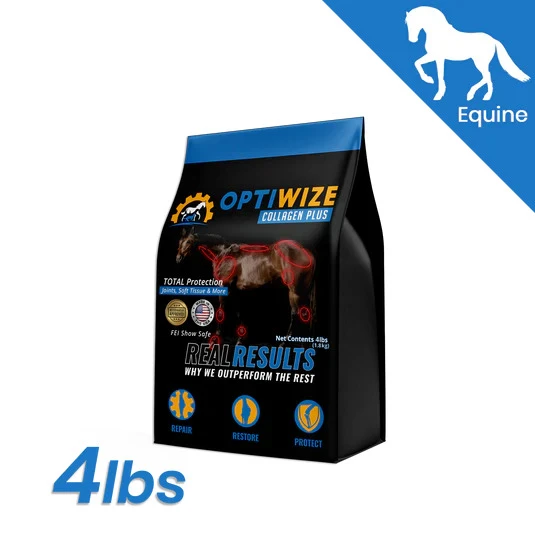
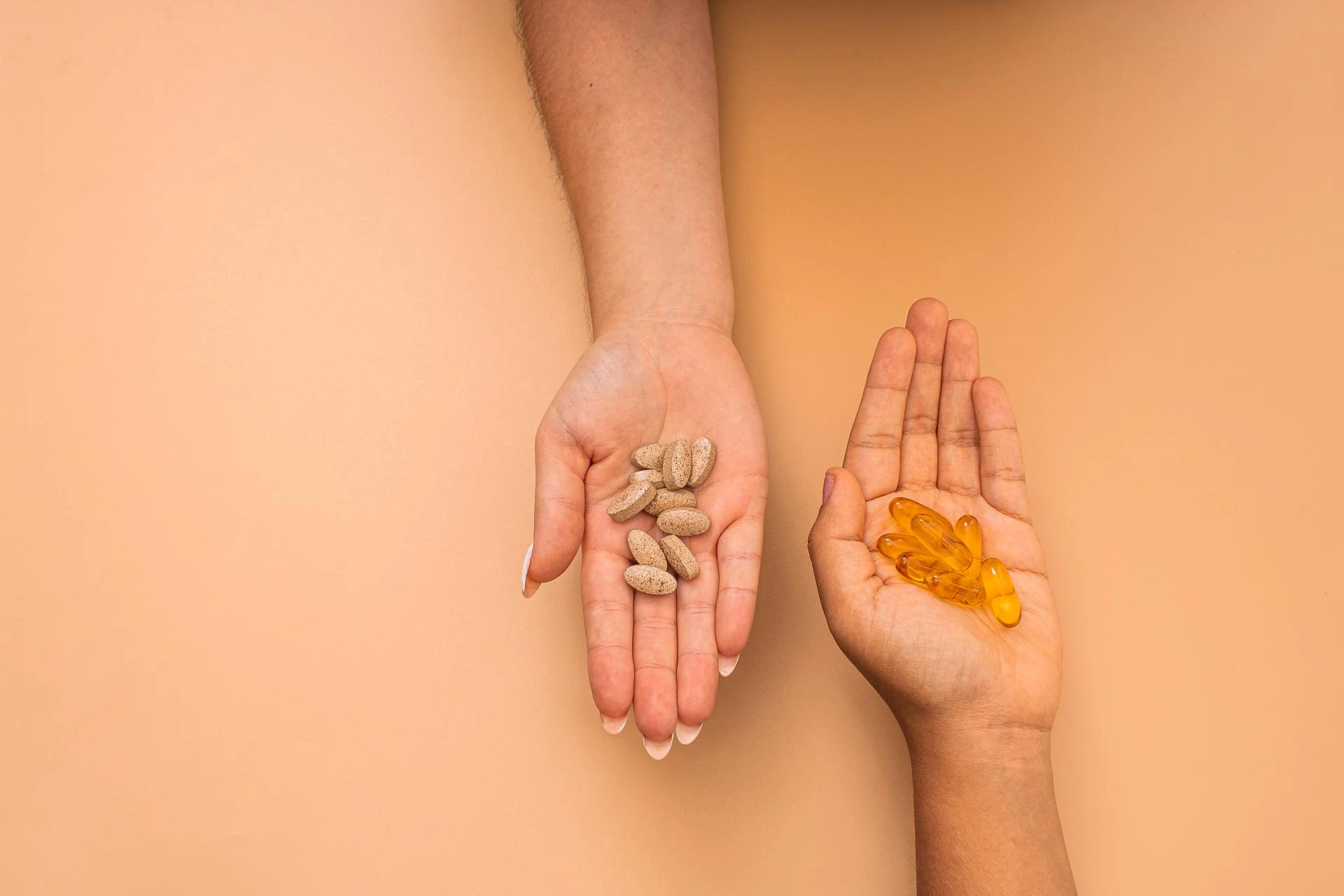
The Optiwize senior horse supplement has been designed with such needs in mind. It also includes a potent blend of collagen, MSM, Green-Lipped Mussel, glucosamine, chondroitin, hyaluronic acid and omega-3s- all of which are meant to help aging joints such as the stifle.
This is why it counts:
Helps to protect against the further breakdown of cartilage.
Decreases stiffness and inflammation, and increases movement.
Helps to strengthen the supporting tissues, thus decreases chances of re-injury.
Enhances the movement, keeping elderly horses pliant and active.
Improves recuperation in combination with rest and medical attention.
When you add the Optiwize supplement to your older horse diet, you are not just treating symptoms, you are reinforcing the joint internally.
Along with your vet’s care and the right supplements, there are some everyday things you can do to make life easier for a stifle horse:
Take time to warm up your horse before riding, so their joints loosen up and move more comfortably.
Try light hill work or backing up exercises (only if your vet says it’s safe) to gently build strength in the back legs.
Keep your stifle horse at a healthy weight, because carrying extra pounds puts more pressure on sore joints.
Make sure they have safe footing in arenas and pastures to avoid slipping or straining the stifles.
Book regular check-ups with your vet so any changes can be spotted early and the care plan can be adjusted.
Conclusion
Horse stifle lameness may be a difficult predicament to handle, yet when it is identified early, through veterinarian treatment and proper encouragement, it does not necessarily spell the doom of a comfortable or competitive horse. Be alert to the symptoms--shuffled stride, inability to move, canter lead, or hindquarter problems--and take decisive action should you feel something is going wrong.
Professional diagnosis in combination with specific nutrition, like Optiwize senior horse supplement provides your horse with the greatest opportunity to have healthy stifles, experience less discomfort, and live a longer, healthier life.
Your horse is waiting on you to see the little differences. You are not only taking care of your joints and making sure they get the support they require, but also making sure that you will be able to move around with ease and confidence many years after that.











Sign in to leave a comment.