
Integrating solar power for commercial buildings with existing energy systems is a powerful strategy that can help businesses reduce energy costs, increase sustainability, and improve overall energy efficiency. However, the process of combining solar power with traditional energy sources requires careful planning and execution to ensure the two systems work harmoniously. By adopting the right approach, businesses can maximize the benefits of solar power for commercial use while minimizing disruption to existing operations.
The first step in integrating solar power for commercial buildings is to assess the current energy infrastructure. This involves understanding the building's existing energy consumption, peak demand periods, and the types of energy sources currently in use. With this information, businesses can evaluate how much solar energy their system should produce to effectively supplement the grid or reduce dependence on non-renewable energy sources.
Once the energy needs are understood, selecting the right type of solar power system is essential. A solar power for commercial buildings setup can include a grid-tied system, where the building remains connected to the local utility grid, allowing for backup power during periods when solar energy production is insufficient. Alternatively, businesses may choose a hybrid system that integrates both solar energy and energy storage, offering a higher degree of energy independence by storing excess solar power for later use.
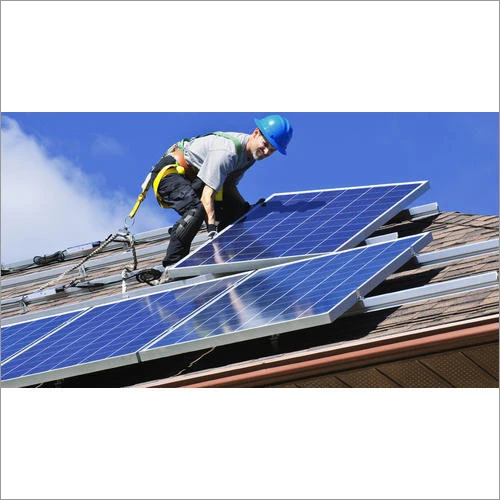
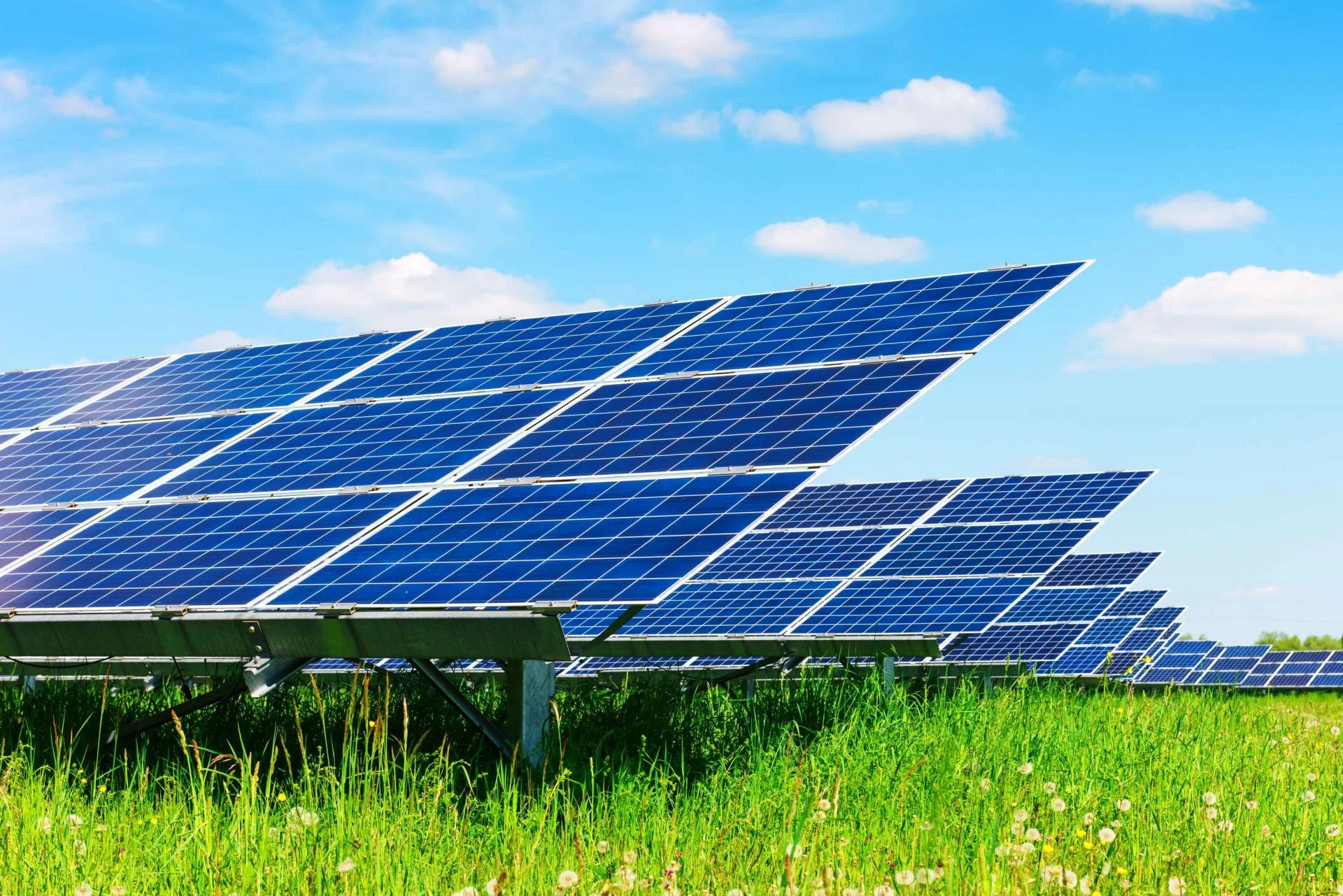
The integration process begins with installing the solar panels, which are typically mounted on the roof or in other available spaces. These panels convert sunlight into electricity, which is then passed through inverters that convert the DC (direct current) electricity into usable AC (alternating current) power. The system must be connected to the building’s electrical system, and in some cases, upgrades may be necessary to accommodate the additional power generation from solar energy.
An essential aspect of integrating solar power for commercial use with existing energy systems is optimizing energy management. Advanced energy management systems can monitor and automatically switch between solar power and grid power based on real-time production and consumption data. This ensures that the building always has access to the most cost-effective and efficient energy source, whether it's solar power or energy from the grid.









Sign in to leave a comment.