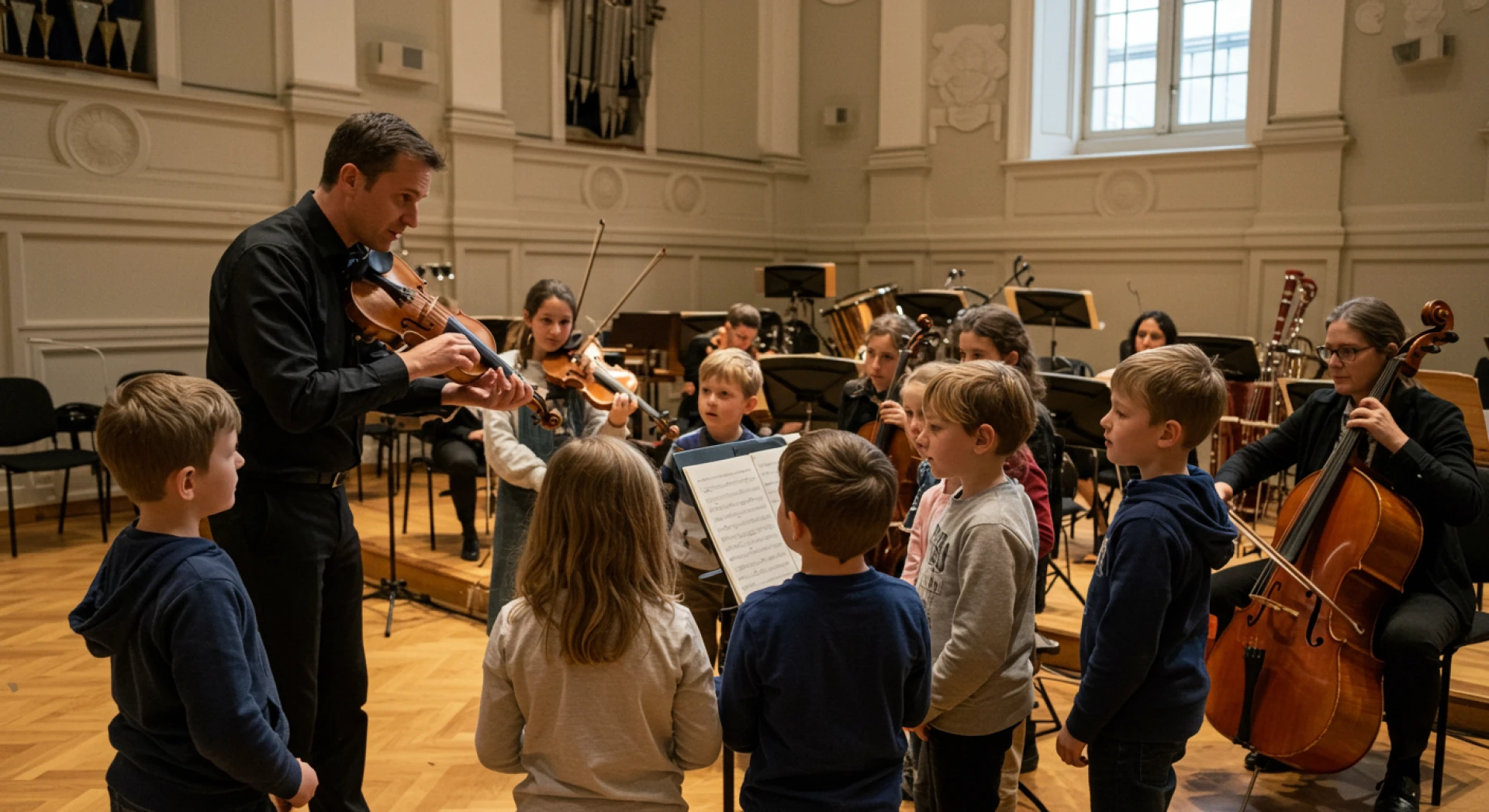

There’s a certain magic in watching a child hear a live orchestra for the first time. The moment the lights dim, the conductor raises the baton, and the first notes swell through the concert hall, something shifts. Eyes widen, bodies lean forward, and you can almost see curiosity blooming in real time. Introducing children to classical music is not just about exposing them to a new genre. It’s about opening the door to a lifetime of cultural appreciation and emotional connection.
As parents, grandparents, or educators, we have the power to shape how young people experience the arts. But the question is, how do you make classical music, something often perceived as “grown-up” , feel exciting and accessible for kids?
Let’s explore some thoughtful, fun, and effective ways to bring children into the world of classical music and the symphony.
Start With Storytelling
Children are natural storytellers and listeners. One of the easiest ways to introduce them to classical music is by connecting the music to a story. Many famous pieces have narratives or characters woven into them. Peter and the Wolf, for example, uses different instruments to represent different characters.
When kids understand that the clarinet is “the cat” or the French horn is “the wolf,” they start to listen differently. They’re no longer hearing “boring” music. They’re following a plot, waiting to see what happens next.
You can even turn it into a game. Before playing the piece, tell them the story or read them a picture book adaptation. Then, play the music and ask them to guess which instrument represents which character.
Make It Interactive at Home
Children are much more likely to stay engaged with music when they can interact with it. At home, you can do small activities that make classical music hands-on:
- Give them simple percussion instruments to play along with the beat.
- Encourage them to draw what they imagine while the music plays.
- Let them “conduct” using a pencil or chopstick as a baton.
The more they feel like participants instead of passive listeners, the more invested they’ll be.
Attend Family-Friendly Performances
A big part of the magic of classical music comes from the live experience. Seeing musicians perform in real time is something recordings can never fully capture. Many symphony orchestras host special concerts designed for families, with shorter run times, fun commentary, and music that’s especially engaging for kids.
If you’re looking for opportunities, keep an eye on Music events in Wichita Falls, which often include programs tailored to introduce younger audiences to the world of orchestral music. These events create an environment where children can feel welcome, curious, and inspired without the pressure of strict formalities.
Prepare Them Before the Concert
Walking into a concert hall without any context can feel overwhelming for a child. Before you go, talk to them about what they can expect. Show them pictures of the venue, explain who the conductor is, and tell them a little bit about the pieces they’ll hear.
You can even listen to some of the music at home first. That way, when they hear it live, it feels familiar like meeting an old friend in a new setting.
Teach Them How to Listen
Classical music has layers and dynamics that can be easy to miss if you’re not sure what to listen for. Give your child simple listening “missions” before a piece begins. For example:
- Can you hear when the music gets really quiet and then really loud?
- Which instrument do you hear first?
- How does the music make you feel?
These little prompts give them a focus and help them start developing their listening skills.
Use Technology to Your Advantage
We live in a world where music is more accessible than ever. Between streaming platforms, YouTube, and educational apps, there are countless ways to bring classical music into your child’s daily life.
Look for kid-friendly playlists that mix fun, energetic pieces with gentler, more emotional works. Some apps even turn music listening into interactive games, where children can match sounds to instruments or complete musical challenges.
Link Music to Their Interests
If your child loves superheroes, find classical pieces used in superhero movies. If they’re fascinated by space, explore compositions inspired by the cosmos, like Holst’s The Planets. When music connects to their existing interests, it feels less like a lesson and more like an extension of something they already enjoy.
Share Your Own Enthusiasm
One of the most powerful ways to inspire a love for classical music is to model that love yourself. Children are perceptive. If they see you genuinely enjoying the music, attending concerts, and talking about your favorite pieces, they’ll be more likely to follow your lead.
As conductor Leonard Bernstein once said, “Children must be taught how to think, not what to think.” Introducing them to classical music is not about forcing preferences. It’s about showing them possibilities and letting their curiosity grow naturally.
Visit Educational Resources
If you want to deepen the experience, check out reputable resources like the Library of Congress Performing Arts section. You can find recordings, historical context, and educational materials that make classical music more relatable for younger audiences.
Final Thoughts
Introducing children to classical music and the symphony is a gift that can last a lifetime. It doesn’t have to be complicated or overly formal. With a little creativity, you can make it fun, engaging, and deeply meaningful.
Whether you start by telling stories about the instruments, attending a family concert, or simply sharing a favorite piece together at home, every small step counts. Over time, these experiences build a foundation of cultural appreciation that they can carry into adulthood.
So next time you see an opportunity to take a child to a live symphony, seize it. The joy on their face when the first note fills the air might just be the beginning of a lifelong love for music.










Sign in to leave a comment.