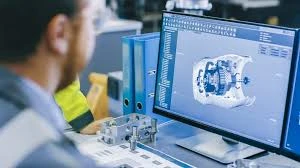

Launching something new sounds exciting. It also gets messy fast. You might have an idea, maybe even a sketch on paper, but turning that into a real product takes planning. A lot of it. If you’re trying to figure out how to get a prototype manufactured while also preparing for market launch, you need a clear path. Not a perfect one—just a smart one that actually works.
Understanding the Product Before the Market
Before thinking about marketing campaigns or launch events, step back for a second. The product itself needs to make sense. Too many founders rush into promotion while the product is still half-baked. That’s a mistake, honestly. A go-to-market plan only works if the product solves a real problem.
This is where early validation matters. Talk to potential users. Show them sketches, mockups, rough ideas. Ask blunt questions. If people don’t react with curiosity or excitement, something’s off. Fix it early. A weak product idea won’t magically become strong just because you wrote a clever launch plan.
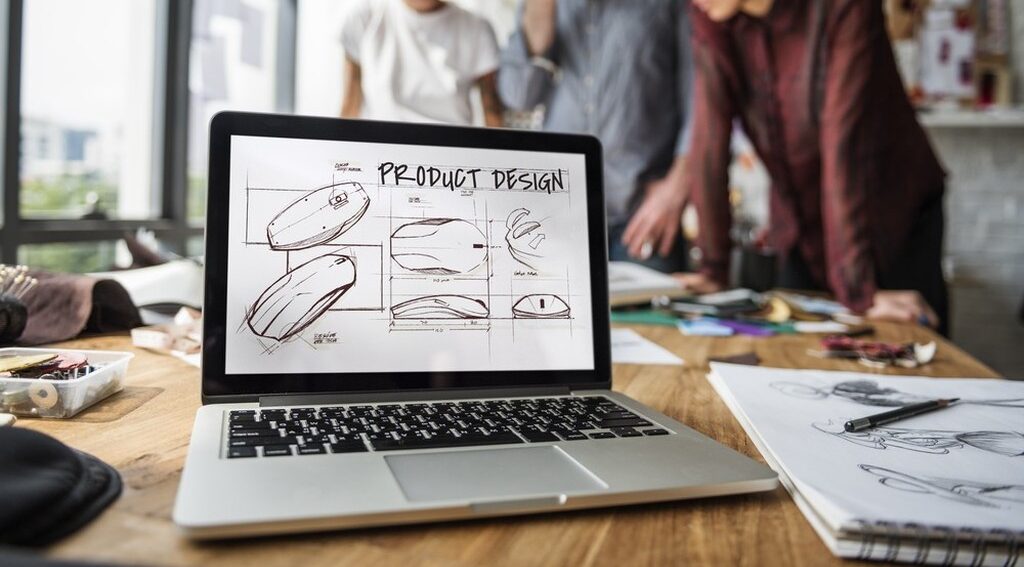
When you start shaping the idea, think about usability and manufacturing together. A product that looks good in a drawing but can't actually be produced at scale will stall the entire launch.
Turning Ideas Into Real Prototypes
At some point, the idea has to leave the notebook. This is where many creators start researching how to get a prototype manufactured. And yeah, it can feel intimidating the first time. You’re dealing with engineers, materials, production methods—things that sound complicated.
But the first prototype doesn’t need to be perfect. It just needs to exist.
Most product creators begin with simple versions. 3D printing, CNC machining, or small batch fabrication. The goal here isn’t mass production. The goal is proof. Proof that the product works, that it feels right in the hand, that it solves the problem you imagined. You learn more from one physical prototype than from months of guessing.
And once you hold that first version? Everything changes. Suddenly the idea becomes real.

Working With the Right Manufacturing Partners
Finding a manufacturing partner can make or break the process. Some factories promise everything and deliver very little. Others ask the right questions and help improve your design. You want the second kind.
When you're figuring out how to get a prototype manufactured, communication matters more than price. Cheap manufacturing quotes look nice at first. But if the manufacturer doesn't understand your design, you'll end up spending more fixing mistakes.
Start small. Ask for sample runs. Test materials. Discuss tolerances and assembly methods. A good manufacturing partner will challenge parts of your design, and that’s actually helpful. It means they’re thinking about real production, not just quick money.
Validating the Product With Real Users
Now comes the part many founders skip. Testing with actual users.
Once your prototype is ready, put it in people’s hands. Not just friends and family—real potential customers. Watch how they use it. Where they struggle. What they ignore. That feedback is gold.
Sometimes a small tweak changes everything. A button placed slightly differently. A handle shape adjusted. A material swapped out.
The prototype stage exists for this reason. It’s the safety net before mass manufacturing begins. Skipping this phase because you're excited to launch faster usually leads to expensive regrets later.
Defining Your Target Market Clearly
A product without a defined audience is like shouting into the void. Nobody hears it. Your go-to-market plan should answer one simple question: who is this for?
Not “everyone.” That answer never works.
Think smaller. Specific users. Specific problems. Maybe it’s athletes. Maybe remote workers. Maybe hobbyists or creators. When you narrow the focus, marketing becomes easier. Messaging becomes clearer.
Understanding your market also influences the manufacturing decisions you make earlier. Price points, materials, durability—these all connect back to who will actually buy the product.
Building the Go-to-Market Strategy Early
A lot of creators think marketing starts after production. It doesn’t. It starts months earlier.
While you're figuring out how to get a prototype manufactured, you should already be building awareness. Share the journey. Document the process. People love seeing products come to life.
Social media, newsletters, small communities—these channels help build early interest. You’re not selling yet. You’re building curiosity.
And when the product finally launches, those early followers often become the first customers. Sometimes the loudest supporters too.
Pricing the Product Without Guessing
Pricing is weirdly emotional for founders. Some prices are too low because they’re afraid nobody will buy. Others go too high without understanding the market.
A smarter approach is testing.
Look at competitor products. Study what customers already pay for similar solutions. Calculate your production costs carefully, including shipping, packaging, and marketing expenses.
Your price needs to support the business long term. Not just the first batch of sales. The go-to-market plan should always consider margins and sustainability, not just hype around launch day.
Preparing Production and Logistics
Once your prototype is validated and demand looks promising, production planning begins. This stage can get complex quickly. Manufacturing schedules, supply chains, shipping timelines—it’s a lot to coordinate.
But this is where preparation pays off.
Because if you already figured out how to get a prototype manufactured, you likely have a manufacturer relationship started. Now the conversation shifts toward scaling production.
Small batches first are usually safer. It reduces risk. It also gives you flexibility to improve the product before committing to large inventory.
Creating Momentum Before Launch
The biggest product launches rarely happen overnight. They build momentum slowly.
Weeks before the release, start talking about the product openly. Share sneak peeks. Show design improvements. Reveal small details without giving everything away.
This creates anticipation. People start asking questions. Some even join waitlists.
When launch day arrives, you're not introducing a completely unknown product. You're releasing something people have already been watching. That difference matters more than most founders realize.
Launch Day Is Only the Beginning
The launch itself often gets all the attention. But the real work starts afterward.
Customer feedback pours in. Support questions appear. Sometimes unexpected issues show up too. That’s normal. Early customers are basically partners in refining the product.
Stay responsive. Listen carefully. Make improvements quickly when needed.
A strong go-to-market strategy isn’t just about getting attention. It’s about sustaining trust after the first wave of buyers arrives.
Conclusion
Learning how to get a prototype manufactured is one of the most important steps in building a real product business. It turns ideas into something tangible, something people can test and react to. But that’s only half the story. A thoughtful go-to-market plan connects the product to the right audience, at the right time, with the right message.
If you’re serious about building something meaningful, the process requires patience. Prototype. Test. Refine. Build demand early. And when everything aligns, you’ll finally understand how to launch a new product in a way that doesn’t just create hype—but creates a lasting business.












Sign in to leave a comment.