

Dental swelling and infections are not just painful, they can also become serious if left untreated. While the best solution is to visit a dentist as soon as possible, there are safe and effective steps you can take to control the symptoms and prevent complications until professional care is available.
1. Rinse with Warm Salt Water
A salt water rinse is one of the simplest and most effective home remedies. It helps reduce bacteria, soothe irritation, and promote healing in the affected area. Mix half a teaspoon of salt in a glass of warm water and gently swish it around your mouth for 30 seconds before spitting it out. Repeat several times a day.
2. Apply a Cold Compress
If your face is swollen, apply a cold compress on the outside of your cheek for 10 to 15 minutes at a time. This can reduce swelling and numb the pain. Avoid applying heat, as it may make the infection spread faster.
3. Take Over-the-Counter Pain Relievers
Non-prescription pain relievers such as ibuprofen or paracetamol can help manage pain and reduce inflammation. Always follow the recommended dosage on the packaging and avoid aspirin for children.
4. Maintain Proper Oral Hygiene
Even if brushing is painful, it is important to keep the area as clean as possible. Use a soft-bristled toothbrush and gentle motions. Floss carefully around the affected tooth if possible to prevent further buildup of bacteria.
5. Stay Hydrated and Eat Soft Foods
Drink plenty of water to help your body fight the infection. Stick to soft foods such as soups, yogurt, or mashed vegetables to avoid putting pressure on the infected area. Avoid sugary and acidic foods that can worsen bacterial growth.
6. Avoid Self-Medicating with Antibiotics
Taking leftover or unprescribed antibiotics may not only be ineffective but also dangerous. Only a dentist can determine if antibiotics are needed and which type is suitable for your condition.
7. Know When to Seek Emergency Help
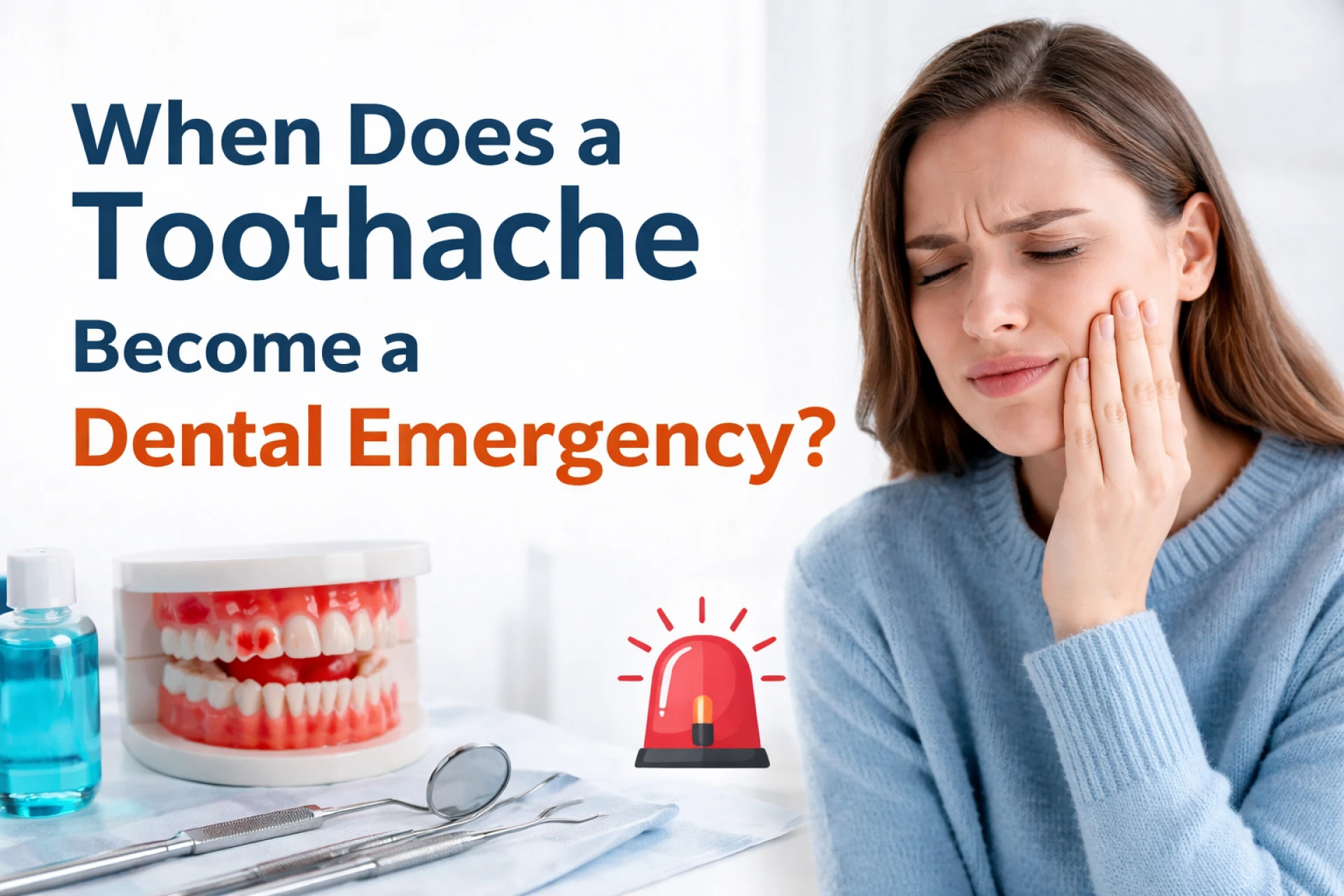
If you experience severe swelling that spreads to your neck or face, difficulty in breathing or swallowing, or a high fever, it is a medical emergency. Go to the nearest emergency dentist immediately.
Managing swelling and infections at home is only a temporary solution. These methods can ease discomfort and reduce risks, but they do not replace professional dental treatment. Always schedule an urgent appointment with your dentist to address the root cause and prevent serious complications.












Sign in to leave a comment.