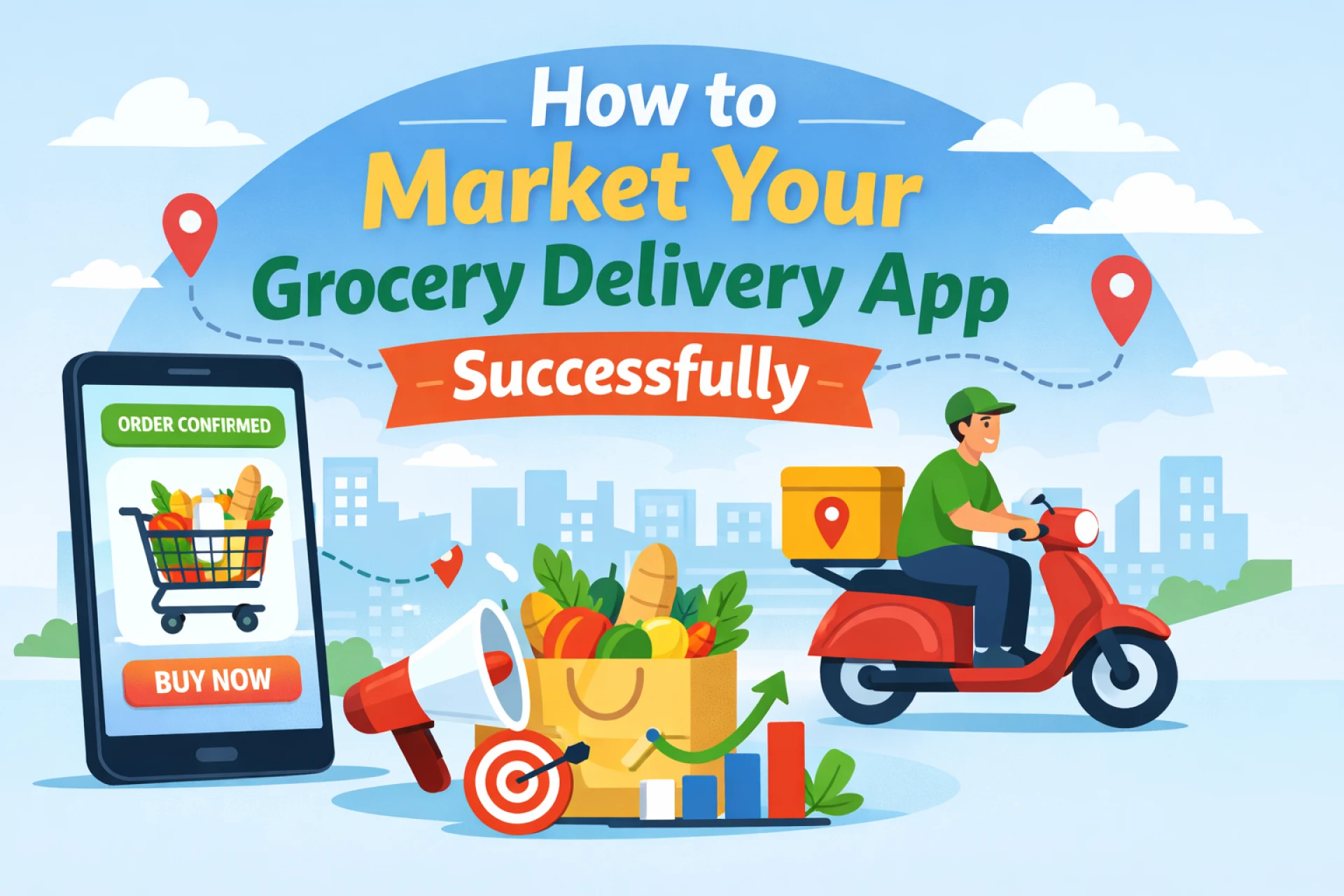

The grocery delivery industry has exploded in recent years, and with more players entering the space every day, simply building a great app is no longer enough. You need a smart, well-executed marketing strategy to stand out, attract users, and keep them coming back. Whether you've just launched or are looking to scale, here's a comprehensive guide on how to market your grocery delivery app successfully.
Understand Your Target Audience First
Before you spend a single rupee or dollar on marketing, you need to know exactly who you're trying to reach. Grocery delivery apps serve a wide demographic — busy working professionals, parents with young children, senior citizens who find it difficult to travel, and health-conscious shoppers looking for specialty items. Each of these groups has different motivations, pain points, and digital habits.
Spend time building detailed user personas. What age group are you targeting? What neighborhoods or cities are your priority markets? Are your users primarily smartphone-first, or do they also use desktops? The more specific your understanding, the more effective your marketing campaigns will be. This foundational step separates apps that grow organically from those that burn through budgets without results.
Build a Strong Brand Identity
Your app's brand is more than just a logo. It's the feeling users get when they interact with your platform — the colors, the tone of your communication, the name, and the promise you make to customers. A strong brand builds trust, and trust is everything in the food and grocery space.
Choose a brand voice that feels friendly, reliable, and local. People want to feel like they're shopping with someone who understands their community's needs. If you've worked with a grocery app development company to build your platform, ask them to ensure that the brand experience is consistent across every screen and interaction within the app itself. The in-app experience and your external marketing should feel like one seamless story.
Leverage Social Media Marketing
Social media is one of the most powerful and cost-effective channels for promoting a grocery delivery app. Platforms like Instagram, Facebook, and even YouTube allow you to reach thousands of potential users with minimal spend if your content is engaging and relevant.
Post content that adds real value — recipe ideas, tips for reducing food waste, behind-the-scenes looks at how your delivery process works, and user testimonials. Run Instagram Reels showing the convenience of your service. Use Facebook ads to target specific zip codes or neighborhoods where you want to grow your user base. Partner with food bloggers and lifestyle influencers who can showcase your app to their engaged followers in an authentic way.
Consistency matters more than frequency. Posting three times a week with high-quality content beats posting every day with generic filler. Build a content calendar and stick to it.
Invest in Search Engine Optimization (SEO) and Content Marketing
Most users who need a grocery delivery app will begin their search on Google. If your website and app store listing don't appear near the top of search results, you're invisible to a massive audience. This is why SEO is non-negotiable.
Create a blog on your website and publish articles that answer real questions your target audience is searching for — things like "best grocery delivery app in [your city]," "how to save money on grocery delivery," or "fresh vegetable delivery near me." These articles bring organic traffic, build credibility, and improve your app's visibility over time.
If your grocery delivery business was built using on demand app development services, you already understand the power of technology-driven solutions. Apply that same forward-thinking approach to your digital marketing. Optimize your app store listing with the right keywords, compelling screenshots, and clear descriptions. A well-optimized App Store or Google Play page can dramatically increase your download rate without any paid advertising.
Use Referral and Loyalty Programs
Word-of-mouth is the oldest and most trusted form of marketing, and referral programs are the digital version of it. Offer existing users a discount or free delivery when they refer a friend who signs up and places their first order. This creates a viral growth loop where your satisfied customers do the marketing for you.
Equally important is a loyalty program that rewards repeat purchases. Points-based systems, tier rewards, or even simple "every 10th delivery is free" programs give users a reason to keep coming back rather than switching to a competitor. Retention is just as important as acquisition — keeping a customer costs far less than acquiring a new one.
Run Targeted Paid Advertising Campaigns
Organic growth takes time. While you're building your SEO and social media presence, paid advertising can drive immediate downloads and orders. Google Ads, Meta Ads, and even local advertising on apps like Zomato or Swiggy-adjacent platforms can put your brand in front of high-intent users.
Start with a small budget, test multiple ad creatives, and analyze which ones drive the best cost-per-install and cost-per-order. Retargeting is particularly powerful — show ads to people who visited your website or opened your app but didn't complete a purchase. These warm audiences convert at much higher rates than cold traffic.
Localized campaigns work especially well for grocery delivery. Targeting users within a specific radius of your operational area ensures your ad spend isn't wasted on people you can't serve.
Partner With Local Businesses and Communities
Grocery delivery isn't just about convenience — it's about community. Build partnerships with local farms, organic food producers, specialty stores, and even residential apartment complexes. Offer exclusive deals for residents of a particular housing society or corporate park. Set up pop-up stalls at local events and farmers' markets to create offline brand awareness that drives online downloads.
These community partnerships do more than drive downloads — they position your app as a local business that cares, rather than just another faceless tech platform. That emotional connection is incredibly valuable in a competitive market.
Prioritize App Store Optimization (ASO)
Thousands of users browse app stores every day looking for services just like yours. App Store Optimization ensures your app appears prominently when they search. Use relevant keywords in your app title and description, encourage satisfied users to leave positive reviews, and update your screenshots regularly to reflect new features.
If you're working with a professional grocery app development company, make sure they also support you with technical ASO best practices — fast load times, crash-free performance, and regular updates all contribute to better store rankings and user retention.
Track, Analyze, and Improve Continuously
Marketing without measurement is just guesswork. Use tools like Google Analytics, Firebase, or AppsFlyer to track where your users come from, what actions they take inside the app, and where they drop off. This data tells you exactly what's working and what needs to change.
Set clear KPIs — cost per acquisition, monthly active users, average order value, churn rate — and review them weekly. The best-performing apps built through on demand app development services are those that treat marketing as an ongoing experiment, not a one-time campaign. Small, data-driven improvements compound over time into massive growth.
Final Thoughts
Marketing a grocery delivery app successfully requires a combination of creativity, consistency, and analytical thinking. From building a recognizable brand to running hyper-local ad campaigns, every strategy should center on one goal: making users' lives easier and giving them a reason to choose your app over every other option. Start with the fundamentals, invest in the channels that work for your audience, and never stop listening to your customers. That's the formula for lasting success.










Sign in to leave a comment.