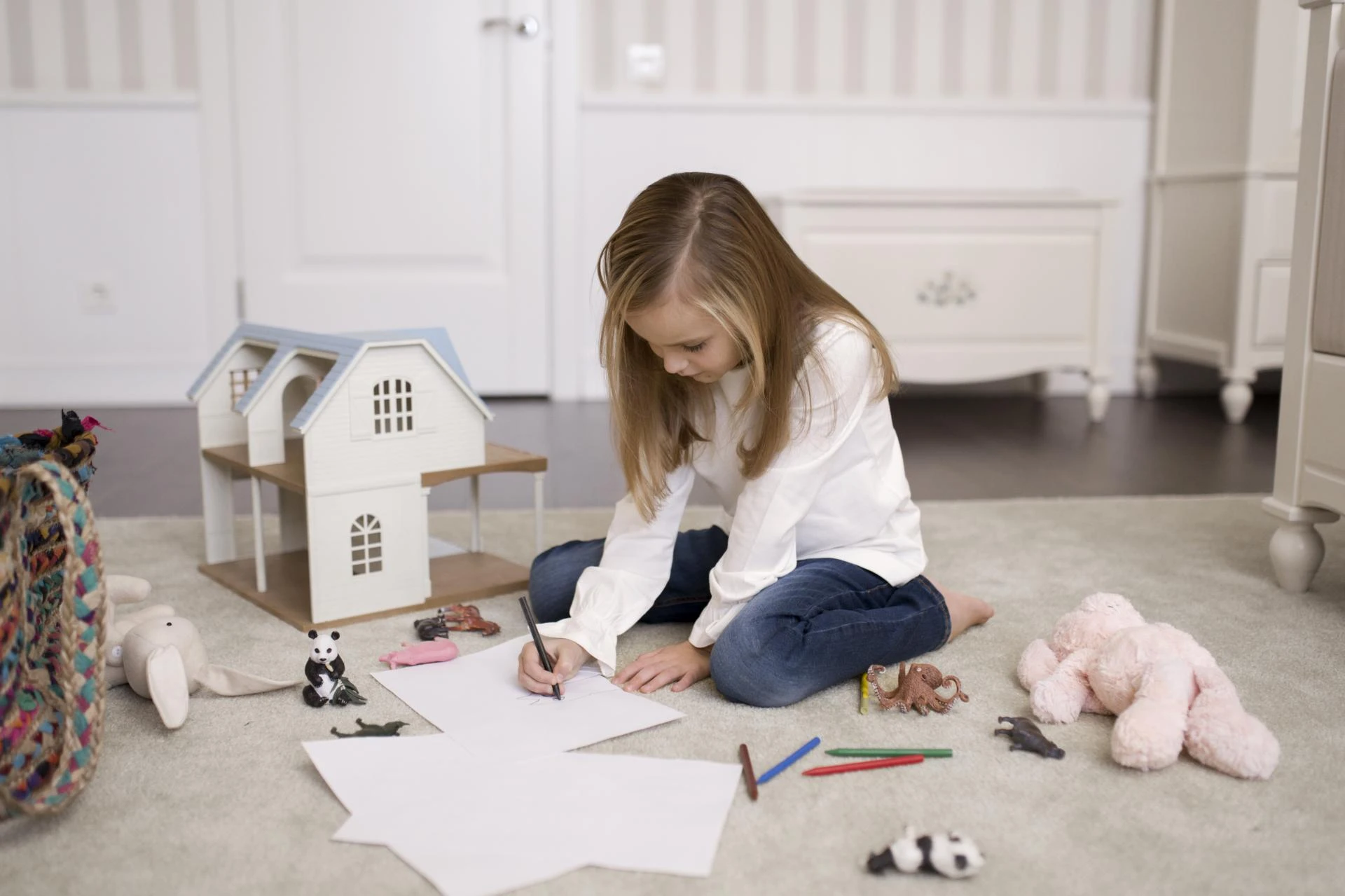

Opening your home to a foster child is an act of compassion that comes with both immense reward and considerable responsibility. Creating a welcoming, safe, and nurturing environment is crucial for the child’s well-being and for establishing a strong, trusting bond from day one. Whether you are exploring how to become a foster parent in Oklahoma or are already in the process, preparing your home thoughtfully will lay the foundation for a successful placement.
Understanding the Needs of a Foster Child
Foster children often enter new homes during periods of upheaval. They may have experienced trauma, instability, or neglect. Recognizing their unique emotional, psychological, and developmental needs is essential.
- Emotional safety: Children need to feel secure. Establish consistent routines and communicate clearly to help them understand what to expect.
- Physical safety: Evaluate your home for potential hazards, including sharp objects, unlocked medications, and exposed wires.
- Personal space: Every child deserves a private area where they can feel ownership and control, whether it’s a bedroom or a cozy corner for personal reflection.
Preparing Your Home Environment
Creating a home that fosters stability and comfort requires careful planning. Here are some steps:
- Child-friendly spaces: Furnish bedrooms and common areas with safety in mind. Beds should be sturdy, corners padded, and furniture anchored. Include storage for personal belongings to help children feel a sense of ownership.
- Inclusive decor: Photos, artwork, and books that reflect diversity can help children feel accepted and understood. Ensure that your home reflects warmth, not just functionality.
- Organized routines: Calendars, chore charts, and daily schedules provide predictability, which is especially important for children coming from unstable environments.
- Emergency preparedness: Have first-aid kits, emergency contacts, and safety plans readily accessible. Show the child where these are, reinforcing a sense of security.
Building Trust and Comfort
A home is more than walls and furniture; it is a space where relationships flourish. Building trust from the outset requires patience and empathy.
- Open communication: Encourage the child to share feelings without fear of judgment. Validate their emotions, even if they express anger, sadness, or fear.
- Consistency and predictability: Set clear expectations for behavior and household rules. Consistency helps foster children feel safe and understand boundaries.
- Personalized attention: Engage in activities that interest the child. Whether it’s reading, sports, or art, showing interest in their passions helps build connection.
Collaboration with Support Services
Partnering with professional resources ensures that both the child and foster family thrive.
- Foster care agency in Oklahoma: Work closely with your assigned agency to understand placement needs, legal requirements, and best practices.
- Foster parenting training programs: These programs provide crucial skills in trauma-informed care, behavior management, and effective communication. Participation enhances your ability to respond to challenges confidently.
- Foster parent support services: Access to support groups, counseling, and ongoing guidance offers both emotional and practical assistance. Experienced mentors can provide insights that make the fostering journey more manageable.
Safety Considerations
Safety is paramount for a foster child’s well-being.
- Childproofing: Beyond typical childproofing for toddlers, assess risks for older children and teens, including access to sharp objects, electronics, and social media.
- Health and hygiene: Ensure a clean environment, proper bedding, and adequate nutrition. Maintain records of medical history and appointments.
- Boundaries and privacy: Teach household members about respecting personal space. Privacy builds trust and helps children feel respected.
Preparing Your Family
Fostering a child is a family-wide commitment. Open conversations with all household members are critical.
- Expectations: Discuss roles, responsibilities, and how each family member can support the new child.
- Adjustment period: Recognize that transitions can be challenging. Siblings may need time to adapt, and patience is essential.
- Support system: Identify local resources, counseling options, and peer networks that can offer advice and relief when challenges arise.

Emotional Readiness
Physical preparation is just one aspect; emotional readiness is equally important.
- Self-reflection: Understand your motivations, strengths, and potential challenges. Being honest about your limitations ensures a healthier environment for the child.
- Training participation: Enroll in foster parenting training programs to develop skills in trauma-informed care, empathy, and conflict resolution.
- Ongoing learning: Foster care is a journey of continual growth. Attend workshops, read relevant literature, and seek mentorship from experienced foster parents.
Practical Household Adjustments
Simple adjustments can significantly enhance the child’s sense of belonging:
- Personal belongings: Provide space for the child’s personal items, including clothing, toys, and keepsakes.
- Household rules: Communicate expectations clearly and adjust as needed. Involve the child in creating rules to empower them.
- Meal planning: Include favorite foods when possible, and involve the child in meal preparation to promote inclusion and responsibility.
Conclusion
Preparing your home for a foster child in Oklahoma is a multifaceted endeavor, encompassing physical safety, emotional readiness, and collaboration with support systems. By creating a welcoming, structured, and compassionate environment, foster parents can help children heal, grow, and thrive.
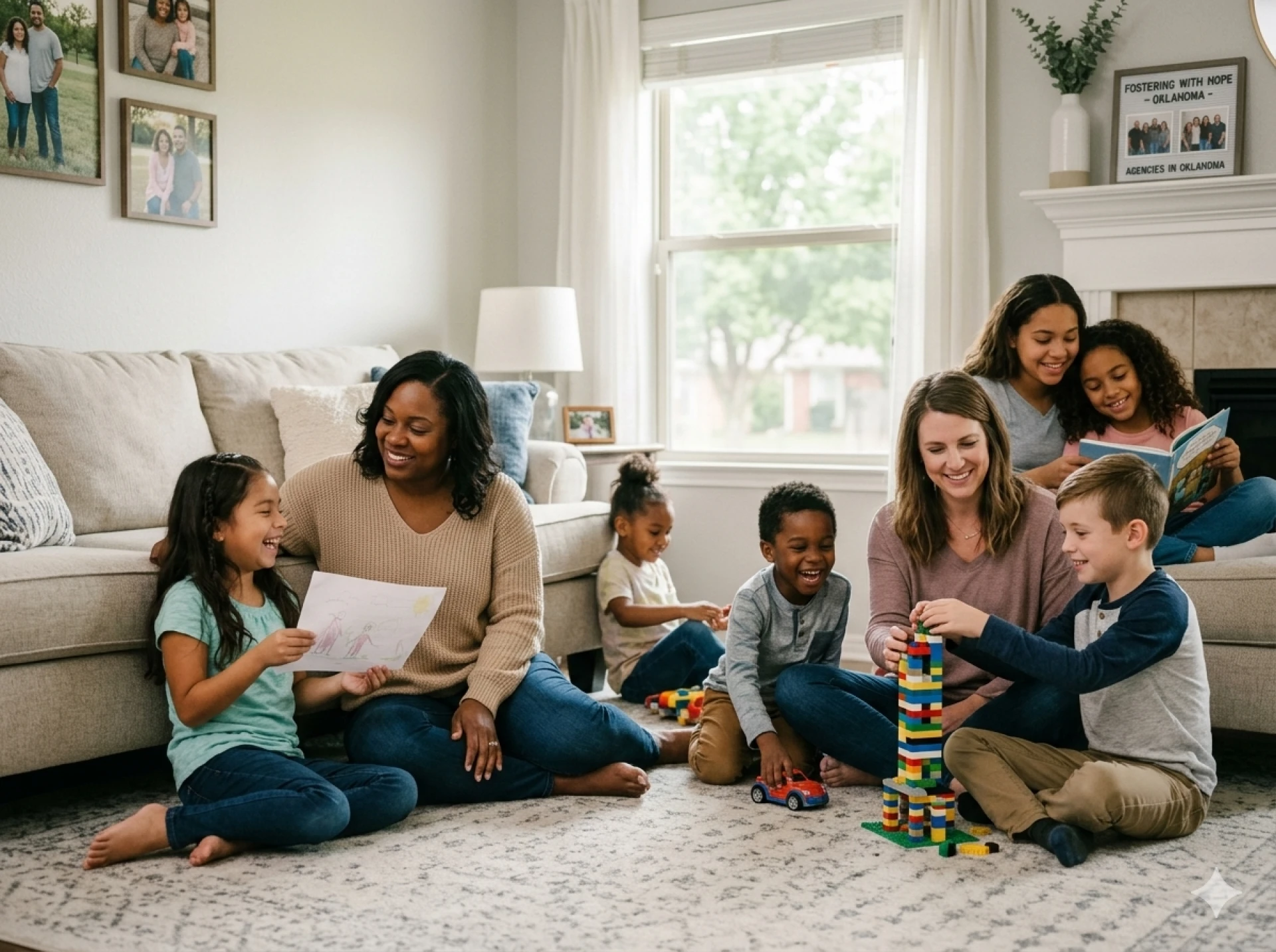
Whether you are exploring how to become a foster parent in Oklahoma or are actively fostering, engaging in foster parenting training programs and accessing foster parent support services will ensure you are equipped for the journey. Your home can become more than a place to live—it can be a sanctuary where healing, trust, and lifelong connections flourish.












Sign in to leave a comment.