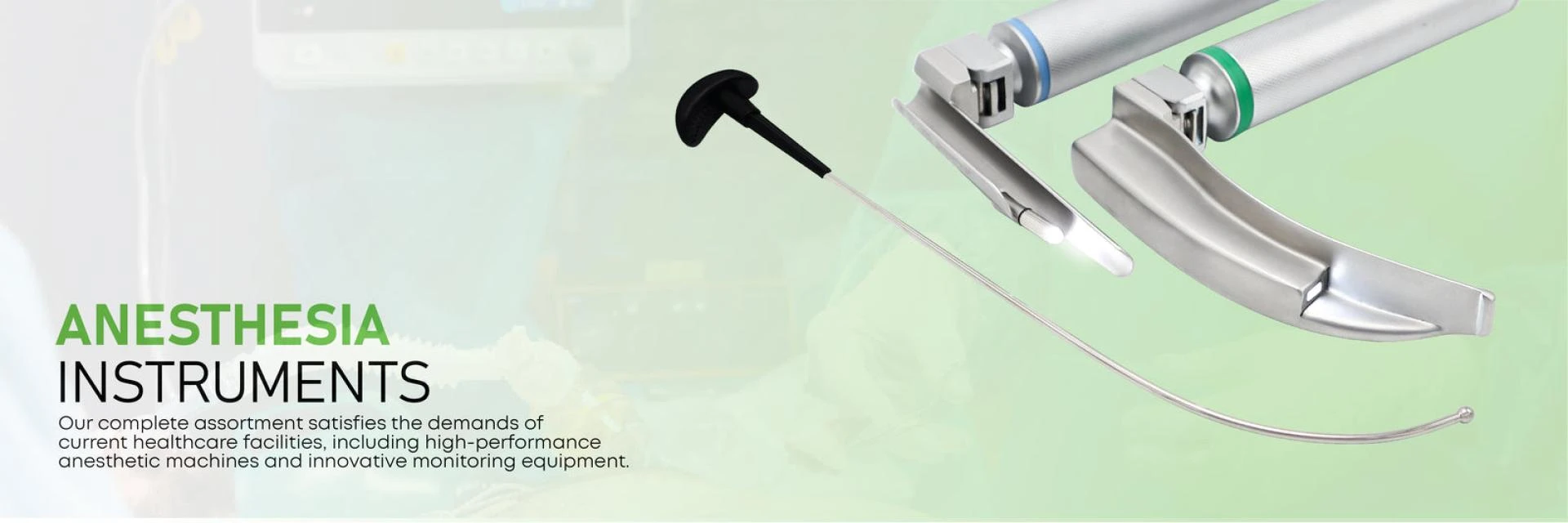

Anesthesia instruments play a pivotal role in ensuring the safety and comfort of patients during surgeries and medical procedures. However, as with any medical device, these instruments must be thoroughly cleaned and sterilized to prevent the transmission of infections. Proper sterilization not only protects patients but also helps maintain the functionality and longevity of the instruments.
In this article, we’ll explore the essential steps and best practices for sterilizing anesthesia instruments to ensure safety and reduce the risk of infection.
1. Why Sterilization is Crucial for Anesthesia Instruments:
Anesthesia instruments, including endotracheal tubes, laryngoscopes, syringes, and monitors, come into direct contact with the patient’s airway, blood vessels, or mucous membranes. If not properly sterilized, they can harbor bacteria, viruses, or fungi, which may lead to infections like pneumonia, sepsis, or even life-threatening complications. Ensuring that all anesthesia equipment is sterile is a key component of infection control and patient safety protocols.
2. General Principles of Sterilization:
Sterilization is the process of eliminating all forms of microorganisms, including bacteria, viruses, spores, and fungi, from medical instruments. The methods of sterilization used in medical settings depend on the type of instrument, its material, and its intended use. For anesthesia instruments, common sterilization methods include:
- Heat Sterilization (Autoclaving)
- Chemical Sterilization
- Low-temperature Gas Sterilization
Each method has its own set of procedures and is suited for specific types of anesthesia instruments. Below is a breakdown of each method and how it applies to anesthesia equipment.
3. Heat Sterilization:
Autoclaving is one of the most effective and widely used methods of sterilization. It involves using high-pressure steam and heat to eliminate microorganisms. Autoclaving is suitable for most anesthesia instruments made from metal or heat-resistant materials.
Steps for Autoclaving Anesthesia Instruments:
- Clean Thoroughly: Before autoclaving, anesthesia instruments must be thoroughly cleaned to remove any organic matter, such as blood or bodily fluids. This is typically done using a cleaning solution and a soft brush or ultrasonic cleaner to dislodge any debris.
- Inspect Instruments: After cleaning, inspect instruments for any signs of damage or wear, such as cracks or rust, which could compromise the sterilization process.
- Pack Instruments: Instruments should be packed in sterilization pouches or wraps made of materials that allow steam to penetrate effectively. Avoid overpacking, as proper steam circulation is essential for effective sterilization.
- Autoclave Settings: Set the autoclave to the correct temperature and pressure (typically around 121°C/250°F and 15-30 minutes for most instruments). Ensure that the cycle time is sufficient to allow complete sterilization.
- Storage: After autoclaving, sterilized instruments should be stored in a sterile environment until use. Ensure that storage areas are dry and free from contamination to maintain sterility.
4. Chemical Sterilization:
For instruments that are heat-sensitive, such as certain types of laryngoscopes or flexible endotracheal tubes, chemical sterilization is often the preferred method. This process involves using chemical agents that can effectively kill microorganisms.
Common Chemical Agents for Sterilization:
- Glutaraldehyde: Often used for disinfecting flexible instruments such as bronchoscopes, glutaraldehyde is effective against a wide range of pathogens.
- Hydrogen Peroxide: A powerful disinfectant used in low-temperature sterilization processes, hydrogen peroxide is effective against both bacteria and viruses.
- Peracetic Acid: A strong chemical disinfectant used for cleaning heat-sensitive instruments, it is effective at high concentrations.
Steps for Chemical Sterilization:
- Disassemble Instruments: If applicable, disassemble instruments to ensure all parts are exposed to the disinfectant solution.
- Soak Instruments: Place instruments in a chemical sterilant, ensuring complete immersion. Follow the manufacturer's instructions for the appropriate concentration and soaking time to ensure full sterilization.
- Rinse and Dry: After soaking, rinse the instruments thoroughly to remove any chemical residue. Dry them with sterile wipes or allow them to air dry in a clean environment.
- Store Properly: Once dry, store instruments in a sterile container or pouch to protect them from contamination until they are needed.
5. Low-Temperature Gas Sterilization:
Ethylene oxide (EtO) gas sterilization is a low-temperature sterilization method that is especially useful for heat-sensitive anesthesia instruments, including certain plastic and rubber components. It is a slower process but effective in sterilizing a wide range of materials without damaging delicate equipment.
Steps for EtO Sterilization:
Preparation: Instruments must be thoroughly cleaned and dried before exposure to ethylene oxide gas.
- Sealing Instruments: Place instruments in a sealed chamber or bag to expose them to EtO gas. The chamber must be airtight to ensure the gas reaches all surfaces of the instruments.
- Sterilization Cycle: The sterilization process typically takes several hours, as the gas must be introduced, allowed to penetrate the instruments, and then removed. The instruments will then be ventilated to remove any residual gas.
- Post-Sterilization Handling: Once the process is complete, allow the instruments to rest for the recommended amount of time to ensure complete removal of the gas before use.
6. Best Practices for Maintaining Sterile Conditions:
In addition to the sterilization process itself, following best practices for handling and storing anesthesia instruments is critical in preventing infection:
- Use Sterile Gloves: Always wear sterile gloves when handling sterilized instruments to avoid contamination.
- Sterile Packaging: Ensure that anesthesia instruments are stored in sterile, airtight packaging until they are ready for use. Open packages only in a sterile environment to prevent contamination.
- Regular Monitoring: Routinely check sterilization equipment, such as autoclaves and chemical sterilizers, to ensure they are functioning properly and that sterilization cycles are effective.
- Training and Protocols: Ensure that all staff members involved in the sterilization process are adequately trained in the procedures and follow infection control protocols to maintain a safe environment.
7. Conclusion:
Sterilization of anesthesia instruments is a critical aspect of patient safety and infection control. By following proper sterilization procedures—whether using autoclaving, chemical agents, or low-temperature gas sterilization—healthcare professionals can significantly reduce the risk of infections and complications during surgeries. Proper cleaning, sterilization, and storage of anesthesia instruments not only protect patients but also help maintain the longevity and functionality of the instruments. By adhering to best practices and staying informed about the latest sterilization technologies, medical teams can ensure that anesthesia instruments remain safe, effective, and free from contamination.













Sign in to leave a comment.