

Introduction to Audiobook Recording
The popularity of audiobooks has grown significantly in recent years as more readers turn to audio content for learning, entertainment, and professional development. With the rise of streaming platforms and mobile listening habits, authors, publishers, and businesses are increasingly exploring how to record an audiobook professionally. Audiobooks provide a convenient way for audiences to experience content while commuting, exercising, or multitasking, making them one of the fastest-growing formats in digital publishing.
Recording an audiobook involves much more than simply reading a manuscript aloud. A professional audiobook requires structured narration, high-quality sound recording, editing, and mastering to create an engaging listening experience. This is why many authors choose to work with specialized production studios that provide complete audiobook production services. These studios combine professional voice talent, advanced recording technology, and experienced sound engineers to ensure the final audio product meets global industry standards.
Professional studios such as Naksh N Daksh Productions offer end-to-end services that support authors and publishers through every stage of the audiobook creation process. From script preparation and voice recording to final mastering and distribution-ready audio files, production experts help transform written content into compelling audio storytelling.
Why Audiobooks Are Becoming Essential for Authors and Publishers
The shift toward audio content reflects changing audience behavior. Modern consumers often prefer listening to content rather than reading long texts. Audiobooks allow people to consume information during daily routines, making them highly accessible and convenient.
For authors and publishers, audiobooks create new opportunities to reach wider audiences. Readers who may not have time to read traditional books can still engage with the same content through audio. Additionally, audiobooks allow creators to expand their content formats and generate additional revenue streams through audiobook platforms and digital marketplaces.
Audiobooks also enhance accessibility. People with visual impairments or reading difficulties benefit greatly from audio formats. Educational institutions, businesses, and content creators also use audiobooks and narrated content to deliver training material, learning resources, and informational guides.
However, producing a successful audiobook requires professional execution. Poor audio quality, inconsistent narration, or background noise can quickly reduce listener engagement. This is why experienced production teams and dubbing services play an important role in ensuring that audiobook recordings meet professional expectations.
Understanding the Process to Record an Audiobook
Recording an audiobook is a multi-step process that involves careful planning, technical expertise, and creative direction. The first stage begins with manuscript preparation. Before recording starts, the script must be reviewed to ensure clarity, proper pacing, and correct pronunciation of names, technical terms, and foreign words.
Once the script is prepared, the next step is selecting the right narrator. The narrator’s voice plays a critical role in shaping the listener’s experience. A skilled narrator understands tone, pacing, character expression, and emotional delivery, ensuring that the audiobook feels engaging and natural.
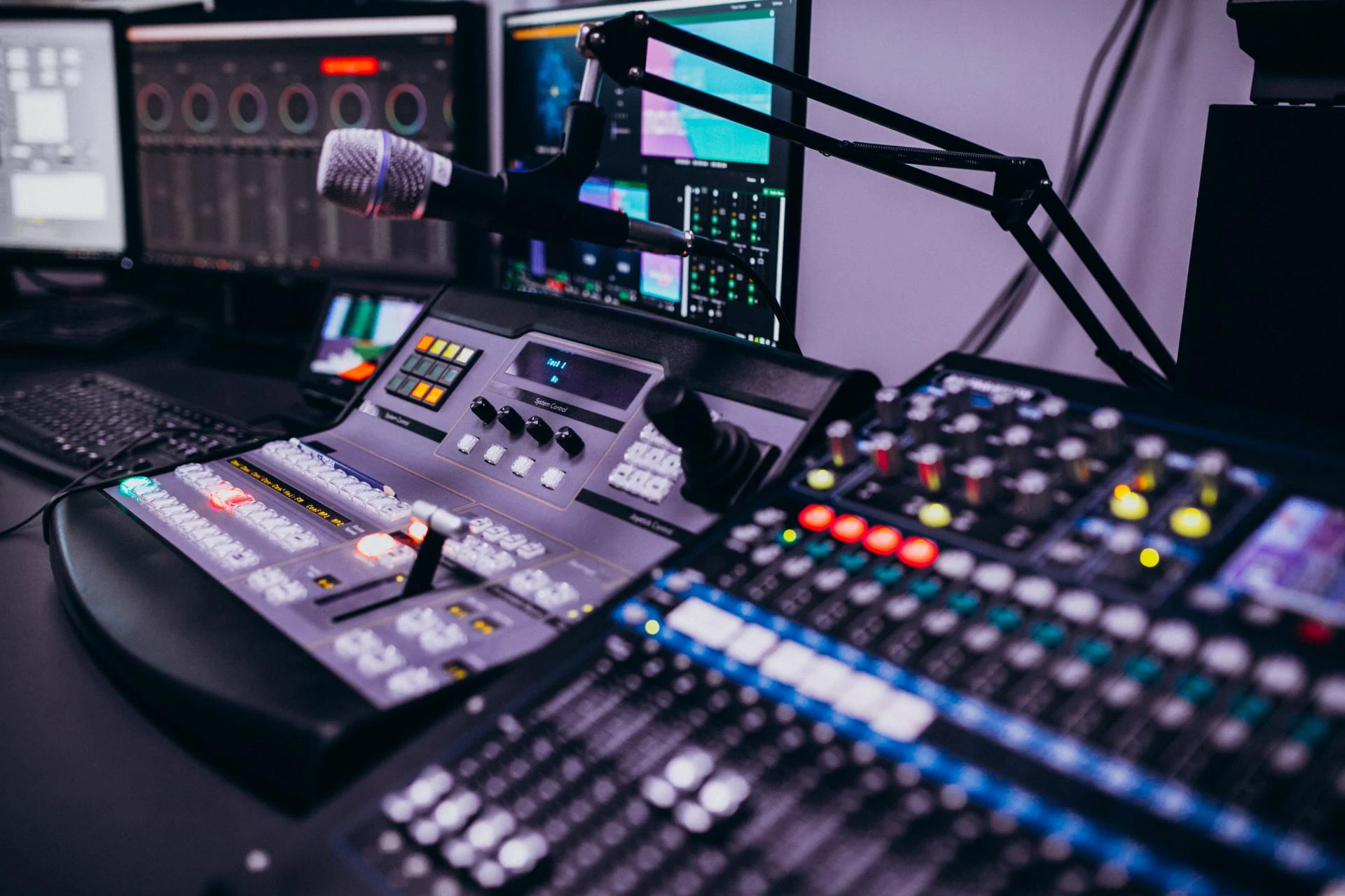
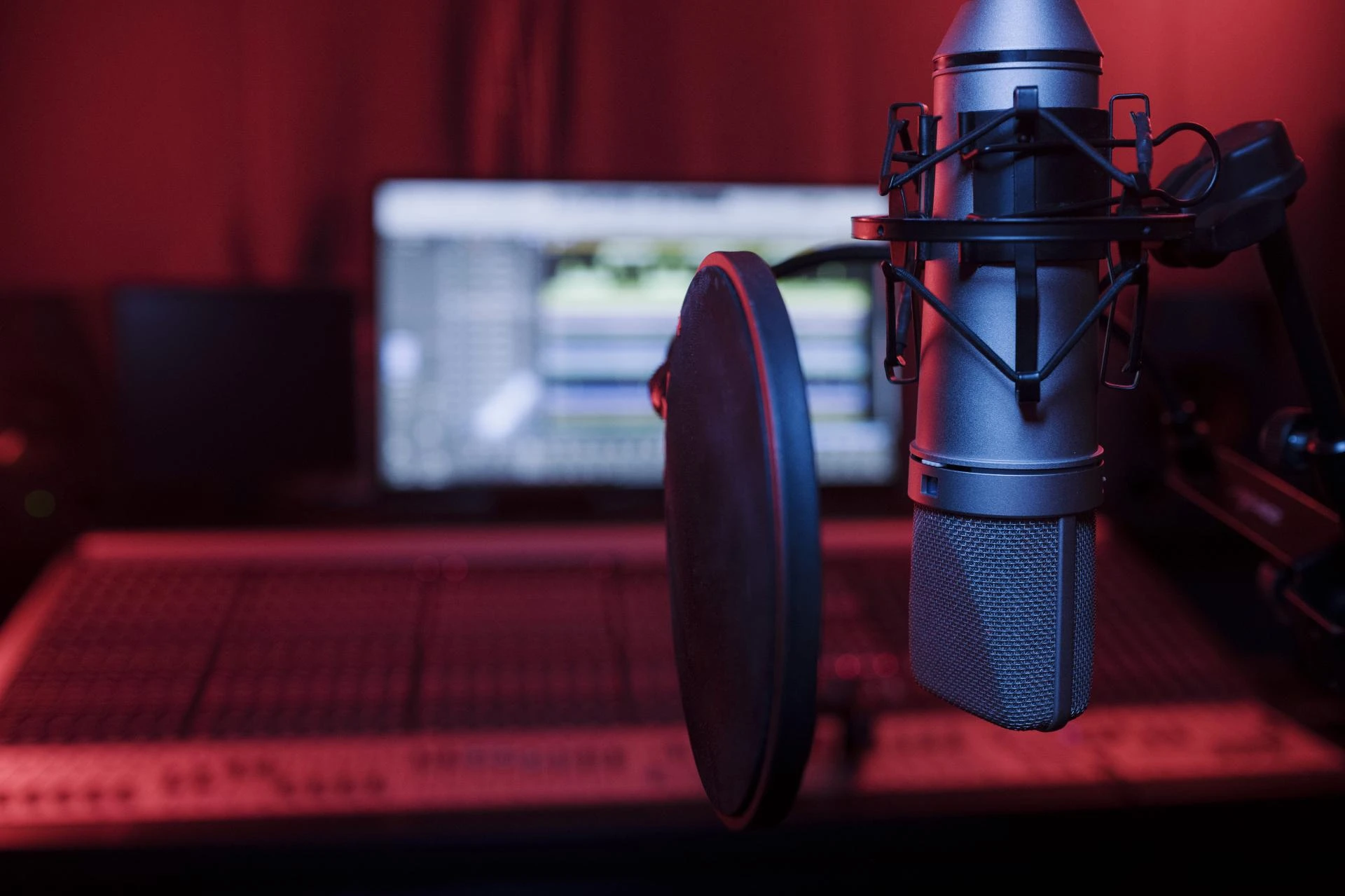
The recording stage takes place in a professional studio environment. Acoustically treated rooms eliminate unwanted noise and echo, while high-quality microphones capture clear and detailed sound. During recording sessions, sound engineers monitor audio levels and ensure consistency throughout the narration.
After recording is completed, the project moves into post-production. This stage includes editing, noise removal, pacing adjustments, and audio mastering. Engineers ensure that the audiobook maintains consistent volume levels and clarity from beginning to end. The final result is a polished audio file that is ready for distribution on major audiobook platforms.
The Importance of Professional Studios When You Record an Audiobook
Many authors initially consider recording audiobooks independently using home equipment. While this approach may appear cost-effective, producing a professional audiobook requires specialized knowledge and equipment that most home setups cannot provide.
Professional production studios offer advanced recording infrastructure designed specifically for voice recording. These studios use soundproof recording booths, industry-grade microphones, and digital audio workstations that capture high-quality audio without interference.
Another advantage of working with a professional studio is access to experienced sound engineers. These professionals understand how to manage audio levels, eliminate background noise, and create a consistent listening experience. Their expertise ensures that the audiobook meets the technical standards required by audiobook platforms such as Audible and Apple Books.
Studios also provide structured workflows that improve efficiency and reduce errors. From scheduling recording sessions to managing editing timelines, production teams ensure that the entire audiobook creation process runs smoothly.
How Dubbing Services Support Audiobook Production
Dubbing services play an important role in expanding the reach of audiobooks to global audiences. While dubbing is commonly associated with film and television, it is also highly valuable in audiobook production, particularly when content needs to be adapted for different languages or regions.
Dubbing services allow publishers and content creators to produce multilingual audiobooks that can reach listeners across different countries. This process involves translating the original script, selecting voice artists fluent in the target language, and recording localized narration that maintains the tone and intent of the original content.
Professional dubbing studios also ensure cultural and linguistic accuracy during the adaptation process. This includes adjusting expressions, pronunciation, and dialogue style to match the expectations of the target audience.
By combining audiobook recording with dubbing services, production studios enable authors and publishers to expand their content globally. A single audiobook can be adapted into multiple languages, allowing creators to reach diverse audiences and increase their content’s accessibility.
Technical Aspects of High-Quality Audiobook Recording
Creating a professional audiobook requires attention to several technical elements. One of the most important factors is sound clarity. Clear audio ensures that listeners can easily understand the narration without distractions caused by background noise or inconsistent sound levels.
Another important aspect is pacing. Audiobook narration must maintain a steady rhythm that keeps listeners engaged. Narrators need to adjust their delivery based on the content, slowing down during complex explanations and adding energy during action-driven sections.
Audio consistency is also critical. Throughout the audiobook, the sound levels must remain balanced to avoid sudden volume changes. Professional mastering ensures that every chapter maintains consistent loudness and clarity.
In addition, chapter organization and file formatting are essential for distribution. Audiobook platforms require specific audio formats, file naming conventions, and metadata structures. Production studios ensure that these technical requirements are met before the audiobook is released.
The Role of Voice Artists in Audiobook Recording
Voice artists are central to the success of any audiobook project. Their ability to bring characters and narratives to life determines how engaging the audiobook will be for listeners.
A skilled narrator uses vocal variation, emotional expression, and pacing techniques to create an immersive listening experience. For fiction audiobooks, narrators often perform multiple character voices and adjust their tone to reflect different personalities and emotions.
For non-fiction audiobooks, clarity and authority are essential. The narrator must present complex ideas in a clear and engaging manner, helping listeners absorb the information effectively.
Professional audiobook studios maintain a network of experienced voice artists who specialize in different genres and languages. This allows authors and publishers to select narrators who match the style and tone of their content.
How Production Studios Ensure Global Distribution Readiness
Once an audiobook is recorded and mastered, the final step is preparing it for distribution. Audiobook platforms have strict technical guidelines that must be followed before audio content can be published.
Production studios ensure that audio files meet these standards by conducting detailed quality checks. Engineers review the entire audiobook to confirm that there are no technical errors, background noises, or formatting issues.
Studios also prepare chapter markers and metadata that help listeners navigate the audiobook easily. This organization ensures a seamless listening experience across audiobook platforms and streaming services.
By managing the entire production and quality control process, professional studios simplify the journey from manuscript to published audiobook.
The Future of Audiobook Recording and Audio Content
As digital media continues to evolve, audiobooks are expected to become even more influential in the publishing industry. Smart speakers, voice assistants, and audio streaming platforms are making it easier for audiences to discover and consume audio content.
Authors and businesses are increasingly recognizing the power of audio storytelling as a way to connect with modern audiences. Audiobooks offer flexibility, accessibility, and immersive experiences that traditional formats cannot always provide.
Advances in recording technology and dubbing services will continue to enhance the quality and reach of audiobooks. Production studios will play a critical role in supporting this growth by providing professional recording environments, skilled narrators, and advanced post-production capabilities.
Conclusion
Recording an audiobook is a complex process that combines storytelling, technical expertise, and creative production. Authors and publishers who want to record an audiobook professionally must consider multiple factors, including narration quality, sound clarity, and distribution standards.
Working with experienced production studios ensures that every stage of audiobook creation—from recording to mastering—is handled with precision. These studios provide the tools, expertise, and infrastructure needed to produce high-quality audio content.
Dubbing services further expand the potential of audiobooks by enabling multilingual adaptations that reach global audiences. By combining professional recording with language localization, content creators can ensure their stories resonate with listeners across different cultures and regions.
As the demand for audio content continues to grow, professional audiobook production and dubbing services will remain essential for authors and publishers seeking to create engaging and globally accessible audio experiences.










Sign in to leave a comment.