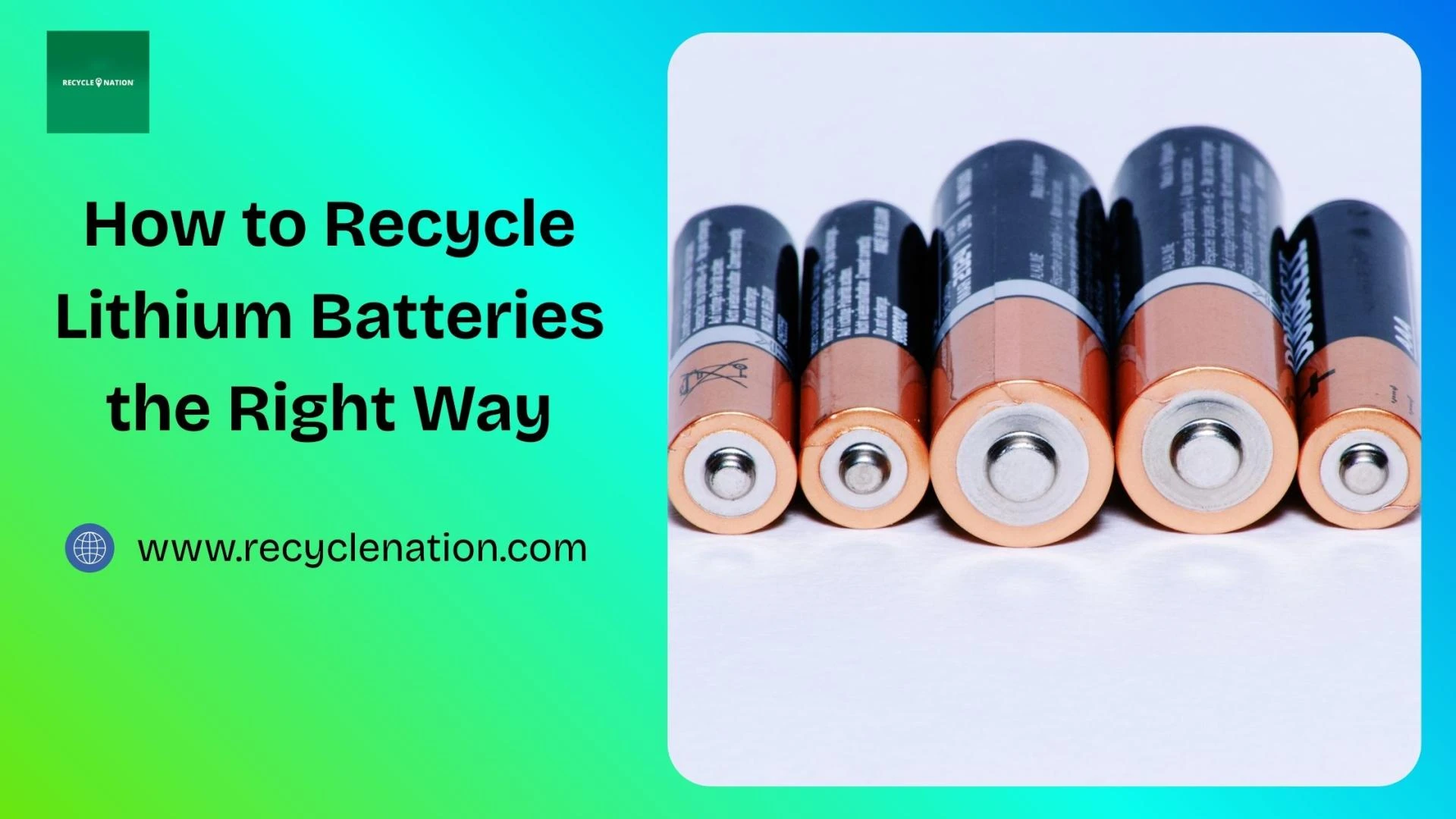

Lithium batteries power phones, laptops, e-bikes, tools, and more, which means safe disposal matters for both people and the planet. The first step is knowing which devices contain them and the proper way to dispose of them. Many everyday items rely on rechargeable lithium cells, so learning how to recycle lithium batteries is essential for protecting the environment and reducing fire risks.
Improper disposal can lead to fires in trash trucks and landfills, harmful chemical leaks, and lost materials that could have been recovered. Recycling, on the other hand, helps reclaim valuable metals like cobalt, nickel, and lithium for use in new products. Before you head to a collection site, identify whether your battery is removable or embedded inside a device. Many retailers, municipal facilities, and certified e-waste recyclers accept both, but they have different handling rules.
If the battery is removable, check the label for chemistry and voltage. Tape over the terminals with nonconductive tape to prevent short circuits. If the battery is embedded, do not pry it out. Bring the entire device to an e-waste collection point or a retailer program that accepts it. Never toss lithium batteries into household trash or curbside recycling because they can ignite under pressure.
Some devices, like e-bikes and scooters, use larger packs that require manufacturer-directed mail-back kits or dedicated drop-off networks. For power tools and outdoor equipment, many hardware stores host in-store collection bins. For phones and laptops, look to electronics retailers or municipal e-waste days. Always call ahead so you know hours, limits, and packaging requirements.
Quick Pointers
- Identify the battery type and whether it is removable or embedded
- Do not dispose of lithium batteries in household trash or curbside bins
- Cover battery terminals with nonconductive tape to prevent short circuits
- Store batteries in a cool, dry container away from metal objects before drop-off
- Use certified e-waste sites, retailer take-back programs, or manufacturer mail-back kits
- Bring entire devices with embedded batteries instead of attempting removal at home
- Check local rules on quantity limits, fees, and accepted chemistries
- Recycle swollen, damaged, or overheated batteries immediately at a proper facility
- Transport batteries in original packaging or a padded container to avoid puncture
- Keep kids and pets away from loose batteries and old electronics
By following these steps, you reduce fire risks, protect workers, and help recover critical materials. With a little preparation, recycling lithium batteries becomes a simple, responsible habit that keeps your home safer and supports a cleaner supply chain. For additional insights and practical resources on eco-friendly disposal, platforms like RecycleNation provide valuable guidance.








Sign in to leave a comment.