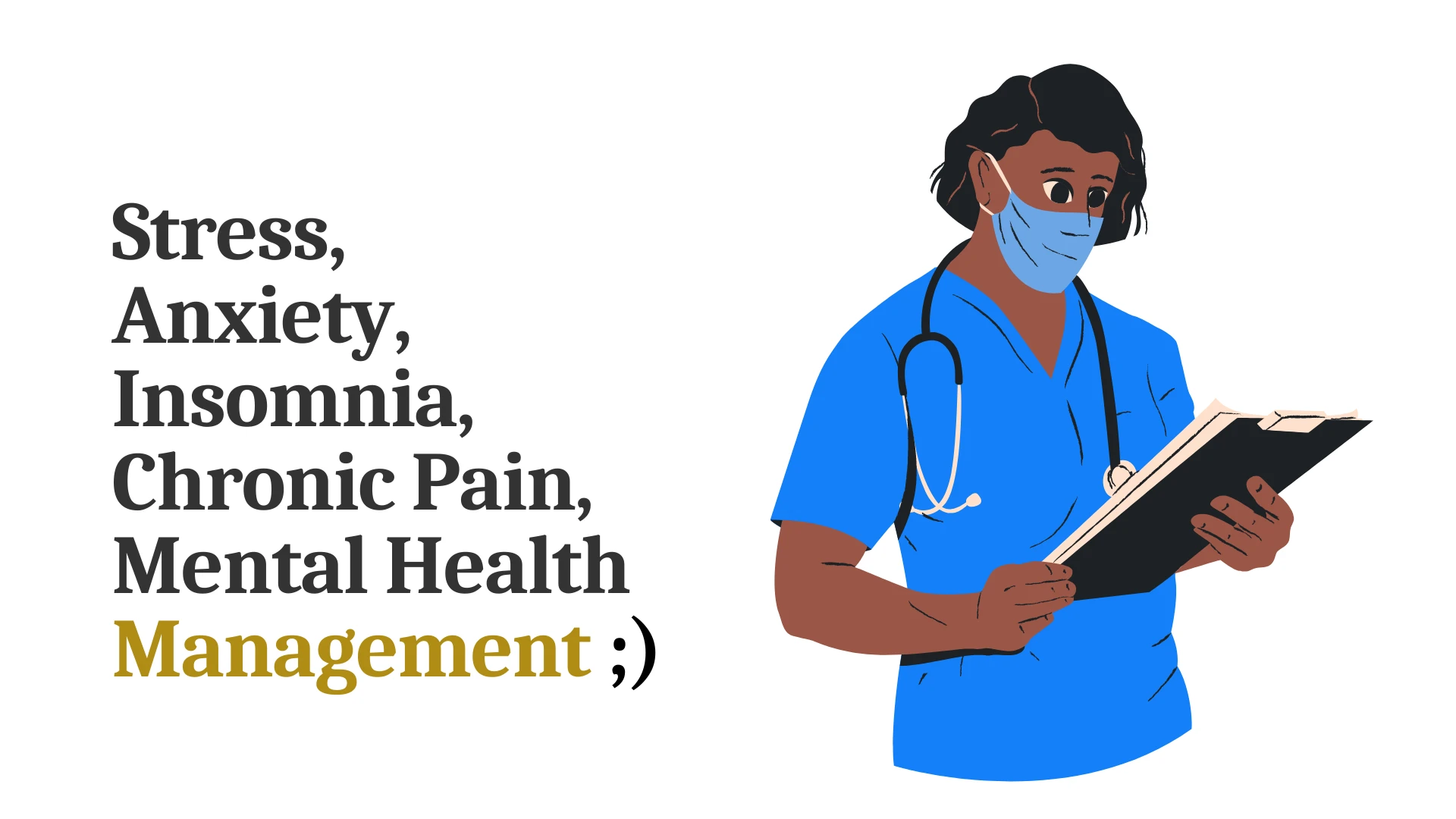

Stress and anxiety are common issues that many people face in their daily lives. While it\'s normal to experience these feelings occasionally, chronic stress and anxiety can lead to more serious health problems. Learning how to manage and relieve stress and anxiety is crucial for maintaining mental and physical well-being. This blog will provide practical tips and techniques to help you effectively manage stress and anxiety-related disorders.
Understanding Stress and Anxiety
Stress is a natural response to challenging situations or demands. It can be acute (short-term) or chronic (long-term), and it often arises from work, relationships, or other life events.
Anxiety is a more persistent feeling of worry or fear that can occur even in the absence of an immediate threat. Anxiety disorders are a group of mental health conditions characterized by excessive, uncontrollable worry that can interfere with daily activities.
Practical Tips to Relieve Stress and Anxiety
1. Practice Mindfulness and Meditation
Mindfulness involves being fully present in the moment and paying attention to your thoughts and feelings without judgment. Meditation practices, such as deep breathing, guided imagery, and progressive muscle relaxation, can help calm the mind and reduce anxiety.
- Mindfulness Techniques: Spend a few minutes each day focusing on your breath and observing your thoughts without trying to change them.
- Meditation Apps: Apps like Headspace, Calm, and Insight Timer offer guided meditations that can help you relax and manage stress.
2. Engage in Physical Activity
Regular exercise is one of the most effective ways to reduce stress and anxiety. Physical activity boosts the production of endorphins, which are natural mood lifters.
- Aerobic Exercise: Activities like walking, running, cycling, and swimming can help reduce anxiety.
- Yoga and Tai Chi: These practices combine physical movement, meditation, and breathing exercises to help reduce stress.
3. Maintain a Healthy Diet
Eating a balanced diet can improve your overall mood and energy levels. Include plenty of fruits, vegetables, whole grains, lean proteins, and healthy fats in your diet.
- Avoid Excessive Caffeine and Sugar: These can increase anxiety and lead to mood swings.
- Stay Hydrated: Drinking enough water can help prevent dehydration, which can cause mood disturbances.
4. Prioritize Sleep
Good sleep is essential for mental health. Aim for 7-9 hours of quality sleep each night.
- Establish a Sleep Routine: Go to bed and wake up at the same time every day.
- Create a Relaxing Environment: Make sure your bedroom is cool, dark, and quiet. Avoid screens before bedtime.
5. Manage Your Time Effectively
Poor time management can lead to stress. Organize your tasks, set realistic deadlines, and break larger tasks into manageable steps.
- Use a Planner: Keep track of your responsibilities and deadlines.
- Prioritize Tasks: Focus on completing the most important tasks first.
6. Build a Support Network
Spending time with family and friends can provide emotional support and help you manage stress.
- Talk About Your Feelings: Sharing your thoughts with someone you trust can help relieve anxiety.
- Join a Support Group: Connecting with others who understand what you\'re going through can provide comfort and advice.
7. Limit Alcohol and Tobacco
While some people use alcohol and tobacco to cope with stress, these substances can actually increase anxiety over time. Reducing or eliminating their use can improve your mental health.
8. Engage in Relaxation Techniques
Incorporate relaxation techniques into your daily routine to help reduce stress.
- Deep Breathing: Practice deep breathing exercises to calm your mind and body.
- Progressive Muscle Relaxation: Tense and then slowly relax each muscle group in your body to release physical tension.
9. Seek Professional Help
If stress and anxiety are interfering with your daily life, it may be time to seek professional help. Therapists and counselors can provide coping strategies and support.
- Cognitive-Behavioral Therapy (CBT): This type of therapy helps you identify and change negative thought patterns.
- Medication: In some cases, medication may be prescribed to help manage anxiety symptoms, Buy Anti Anxiety Medication UK, USA and europe.
10. Practice Gratitude
Focusing on the positive aspects of your life can help shift your mindset and reduce stress.
- Keep a Gratitude Journal: Write down three things you’re thankful for each day.
- Express Gratitude: Take time to thank people who have made a difference in your life.
Conclusion
Buy Anti Anxiety Medications, Managing stress and anxiety is an ongoing process that requires a combination of strategies. By practicing mindfulness, engaging in regular exercise, maintaining a healthy diet, prioritizing sleep, and seeking professional help when necessary, you can reduce stress and improve your overall well-being. Remember, it’s important to take proactive steps to manage stress and anxiety to lead a happier, healthier, and more balanced life or visit us for medical help from Trustphama







Sign in to leave a comment.