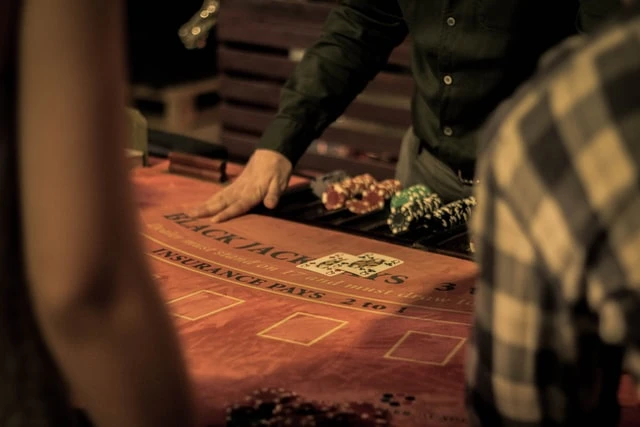

What are the best ideas for a perfect get-together with friends? Preferences and tastes differ, so some of us go on a fishing trip, others opt for a hiking weekend or visiting a ball game. Thrill-seekers will enjoy more unique and breathtaking pastimes like bungee jumping or skydiving.
Yet, even quieter entertainments can bring no less excitement and immersion, making a home poker game night a coveted dream for routine-ridden people of the hectic 21st century. Thanks to movies and books, a company of buddies with men wearing stripe suits and women in The Great Gatsby-style dresses absorbed in Texas holdem and using flash to win outrageous sums has become an iconic picture mimicked by thousands of cosplayers across the globe.
Today, this Prohibition-time image is getting somewhat tarnished though, what with the lockdown limitations introduced to prevent the global pandemic proliferation and ubiquitous digitalization pervading all spheres of life in the early third millennium. However, poker doesn’t lose its appeal both as a carefree amusement and an opportunity to make money, having entered a high-tech phase. Profit-savvy entrepreneurs have learned to run a poker game for profit. They build online poker games and make poker website s, monetizing people’s passion for gambling.
Estimated as a 100 million-strong market , the online poker industry is considered one of the most lucrative investment niches. Being an exceedingly attractive startup idea, it is still shunned by many budding business people who aren’t sure in the answer to the crucial question: “Is running poker games legal?”
Classification of Legal Games
Gaming activities where a person can win or lose some money have always been a controversial issue treated oppositely in different times by different countries and regimes. For instance, gambling is legal in Mexico while in Turkey and Japan it is not. However, there are some universally recognized gambling events that are considered legal by most authorities.
Social Games
Most card games – be it poker, blackjack, bridge, or otherwise – that you play with your friends and family (defined as people having bona fide social relationships) fall into this category. They are typically played in a private residence (not in a public area) with no house bank, rake, or admission fee levied from participants. The only gain they get is their own winnings while the house owner must receive none. Sometimes, regulations add to this list of conditions the non-attendance by professional gamblers and the absence of public advertisement.
Some legislations label such legal poker games as private, not social ventures. It effectively narrows the roster of potential participants from society at large to only certain people. Most people believe that this is only a terminological difference, but astute lawyers consider such a shift in phraseology as a sign of a stricter acceptance philosophy. Describing private games as non-social but private issues, local and national governments aim to limit access of the large audience to uncontrolled gambling environments.
Be it private or social, there are some circumstances that can make legal poker game at home a potentially dingy endeavor. Law enforcement bodies are more likely to question the legality of such undertakings if they involve quite a large number of players with serious money at stake that annoy the neighbors with raucous behavior and excessive noise.
Charity Games
Any game where some portion of the gambled money is donated to charity belongs here. But if you decide to do it at your home poker party, it is not enough to qualify as a charity game. You should have some officially documented blessing from the authorities. Conventionally, you should submit a charity gambling application and obtain approval. Sometimes, a certain fee should be paid as well. In the USA, to be considered a charity project is necessary to receive official non-profit status from the IRS.
Because of the latter, charity games are often termed non-profit games, although this name is not totally correct. In fact, non-profit (or zero-profit) is the activity where the host doesn’t get any money for running the game. In charity games, all the profit (both by hosts and by other participants) is directed to charity purposes, which means that there is some profit, after all. To be legally precise, such ventures should be called negative-profit ones since everybody (and especially the host who oftentimes spends a pretty penny for refreshments, beverages, electricity, and water used to keep players in game for quite a time) is left with less money than they had before the party started.
Evidently, if you plan to launch a successful poker game business and create your own poker game website, your venture can be considered neither social nor charity gaming enterprise. That is why, to offer a high-end service and keep within the law, you must pay close attention to many details...









Sign in to leave a comment.