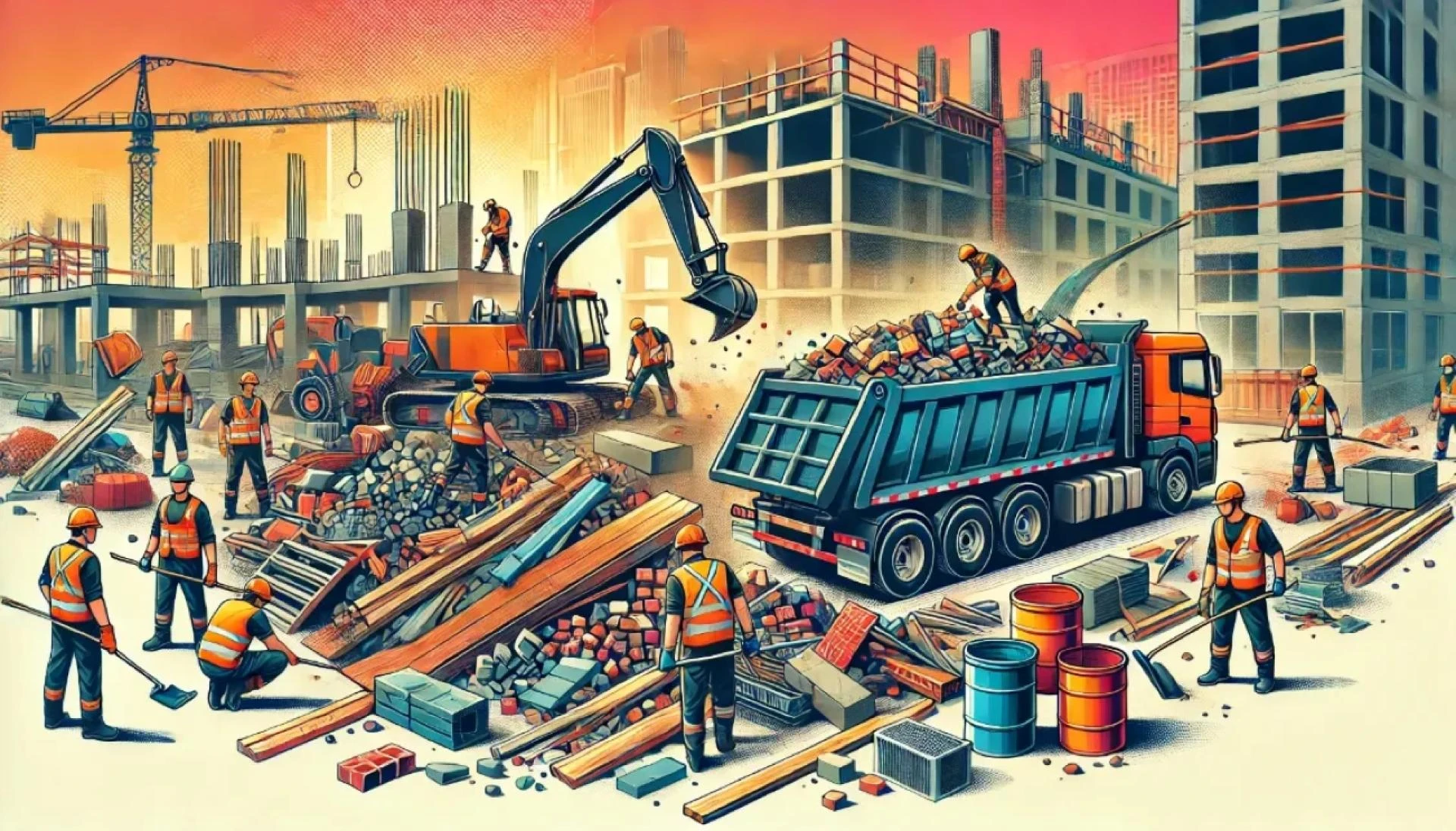

Construction and renovation projects often leave behind large amounts of debris, including wood scraps, drywall, concrete pieces, metal, and packaging materials. Proper debris management is essential for maintaining a safe work environment and keeping your project on schedule. Many contractors rely on professional services for junk removal in Miami FL to ensure waste is handled efficiently and responsibly.
Below are practical strategies to safely remove construction debris from your job site while minimizing risks and maintaining compliance with safety standards.
Plan Debris Removal Before the Project Starts
Effective debris management begins during the planning stage of a project. Contractors should estimate the amount and type of waste expected during construction. This allows them to determine the number of disposal containers required and how often debris should be removed.
Having a clear waste management plan helps reduce clutter on the site and prevents materials from piling up in unsafe areas. It also ensures that hazardous materials, recyclables, and general waste are separated properly.
Keep the Job Site Organized
A clean and organized worksite is critical for worker safety. Debris scattered across walkways and work areas increases the risk of slips, trips, and falls.
Create designated zones where debris can be temporarily stored before removal. Workers should be trained to immediately place discarded materials into bins rather than leaving them on the ground. Label containers clearly for different waste types such as wood, metal, or general construction debris.
Routine cleanup throughout the workday prevents debris from building up and becoming a hazard.
Use Proper Protective Equipment
Handling construction debris can expose workers to sharp edges, dust, heavy materials, and hazardous substances. Personal protective equipment (PPE) is essential for minimizing injuries.
Workers should wear:
- Heavy-duty gloves to protect hands from cuts and splinters
- Safety boots with reinforced toes
- Protective eyewear to prevent debris from entering the eyes
- Dust masks or respirators when dealing with fine particles
Ensuring that all workers follow PPE guidelines significantly reduces the chances of accidents during debris removal.
Separate and Sort Materials
Sorting construction waste is not only environmentally responsible but also makes disposal easier. Different materials require different handling methods, and separating them at the source saves time later.
For example:
- Wood and metal can often be recycled
- Concrete and bricks may be repurposed or crushed for reuse
- Packaging materials such as cardboard can be recycled
By organizing materials early, you reduce landfill waste and streamline the removal process.
Use the Right Equipment for Heavy Debris
Construction debris can be extremely heavy, especially when dealing with concrete, bricks, or large pieces of wood. Using proper equipment helps prevent injuries and speeds up the cleanup process.
Common tools and equipment include:
- Wheelbarrows for transporting debris
- Dumpsters or roll-off containers for large loads
- Mechanical loaders or forklifts for bulky materials
- Debris chutes for multi-story construction sites
Using the correct equipment ensures debris is moved safely and efficiently.
Work With Professional Removal Services
In many cases, construction debris removal is best handled by professionals. Experienced waste management providers understand local disposal regulations and have the equipment needed to remove large volumes of material safely.
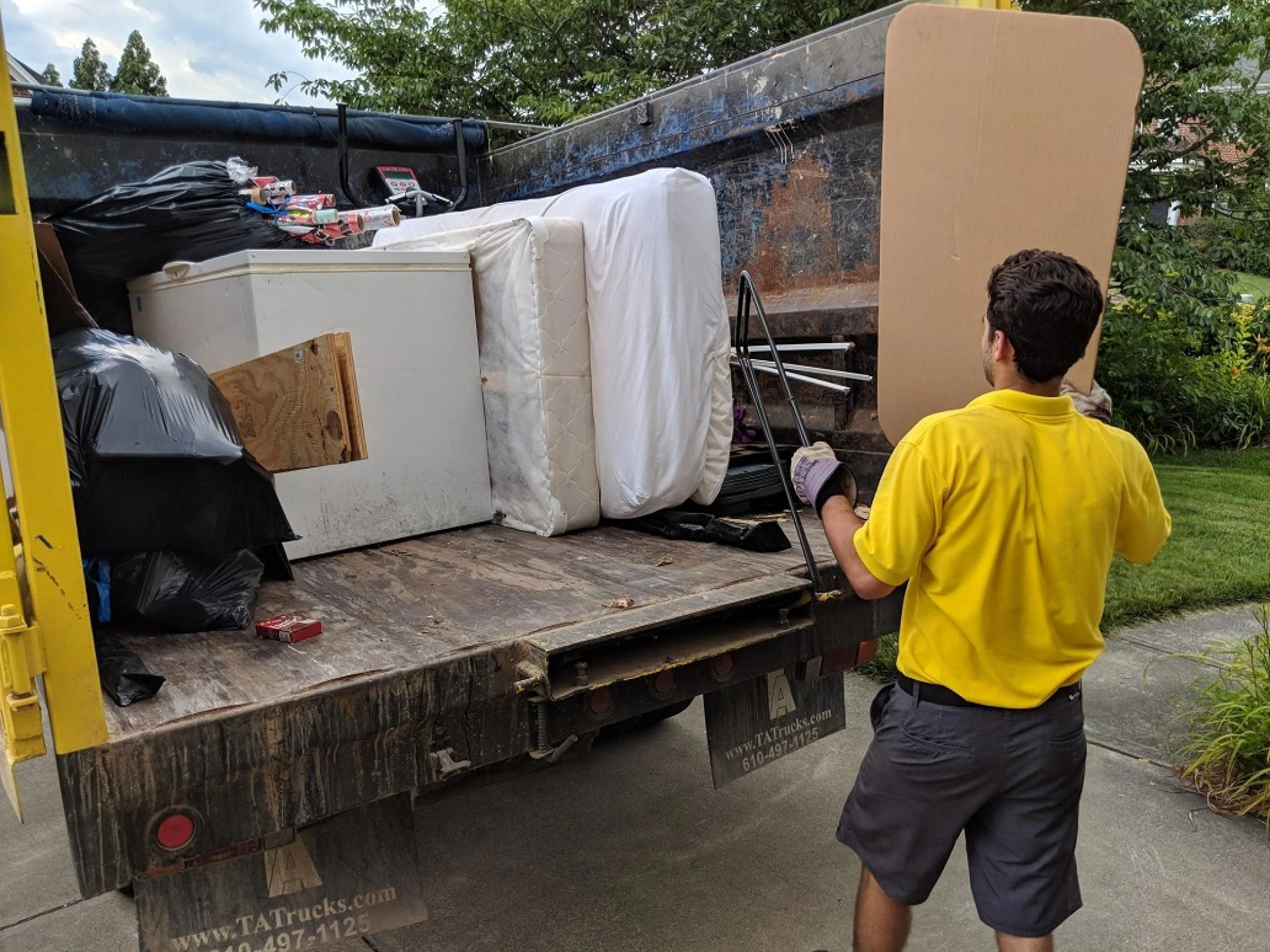
Hiring a service that specializes in junk removal can save time, reduce labor costs, and ensure debris is disposed of responsibly. Professional teams also handle sorting, hauling, and recycling, allowing contractors to focus on completing the project.
Final Thoughts
Safely removing construction debris is a critical part of any successful project. By planning ahead, keeping the job site organized, using protective equipment, and sorting materials properly, contractors can maintain a safer work environment and avoid costly delays.
Partnering with reliable junk removal services further simplifies the process by ensuring debris is handled quickly, efficiently, and in compliance with waste management regulations. A clean job site not only protects workers but also keeps projects running smoothly from start to finish.













Sign in to leave a comment.