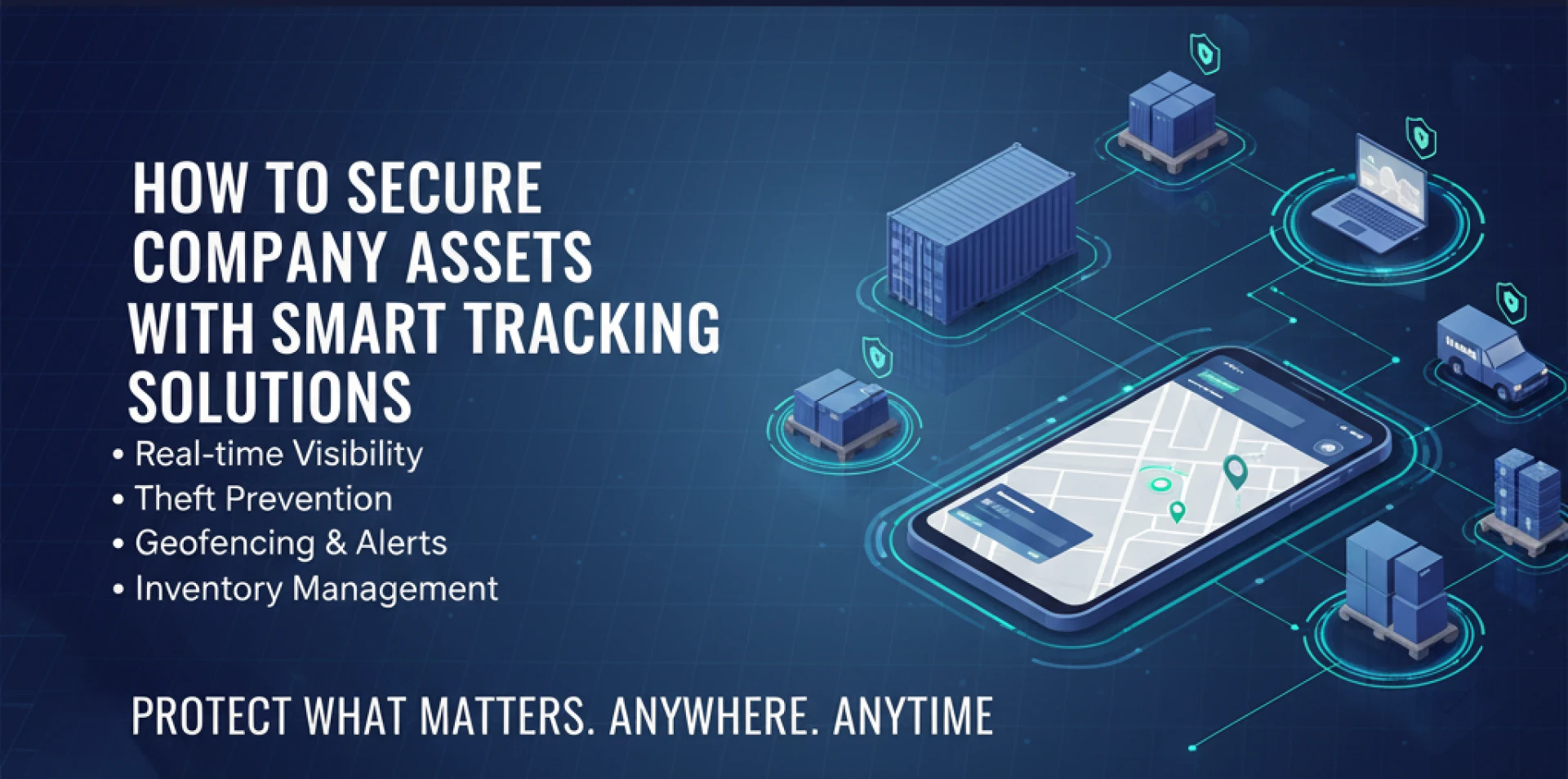

In today’s competitive business environment, safeguarding valuable resources has become more critical than ever. Companies across industries are turning to advanced technologies like an asset tracking system to ensure their equipment, tools, and inventory are properly monitored, secure, and efficiently managed. By leveraging smart tracking solutions, organizations not only prevent loss or theft but also gain real-time visibility into asset utilization and performance.
What is an Asset Tracking System?
An asset tracking system is a digital solution that uses technologies such as GPS, RFID, barcodes, and IoT sensors to monitor the location, movement, and condition of physical assets. Whether it’s IT equipment, vehicles, machinery, or office furniture, businesses can maintain a centralized record of all assets, ensuring maximum accountability and transparency.
Why Businesses Need Smart Asset Tracking Solutions
1. Prevents Theft and Loss
Unmonitored assets are vulnerable to theft or misplacement. Asset tracking provides real-time alerts if equipment is moved without authorization, reducing the risk of financial loss.
2. Enhances Operational Efficiency
By knowing the exact location of assets, employees spend less time searching for equipment and more time focusing on productive tasks.
3. Ensures Compliance and Accountability
Industries like healthcare, construction, and logistics require strict compliance with regulatory standards. Asset tracking ensures accurate records are maintained for audits and inspections.
4. Extends Asset Lifespan
With timely maintenance alerts and usage data, businesses can prevent overuse or neglect, thereby extending the life of expensive assets.
5. Improves Decision-Making
Analytics provided by asset tracking systems help managers understand usage trends, optimize resource allocation, and plan for future investments.
Technologies Behind Asset Tracking Systems
Modern asset tracking relies on a combination of technologies to deliver reliable results:
- GPS Tracking: Best for outdoor assets like vehicles and heavy machinery.
- RFID Tags: Efficient for warehouses, inventory management, and high-value equipment.
- Barcode/QR Codes: Simple and cost-effective for small-scale asset tracking.
- IoT Sensors: Provide advanced monitoring of asset conditions such as temperature, vibration, or energy usage.
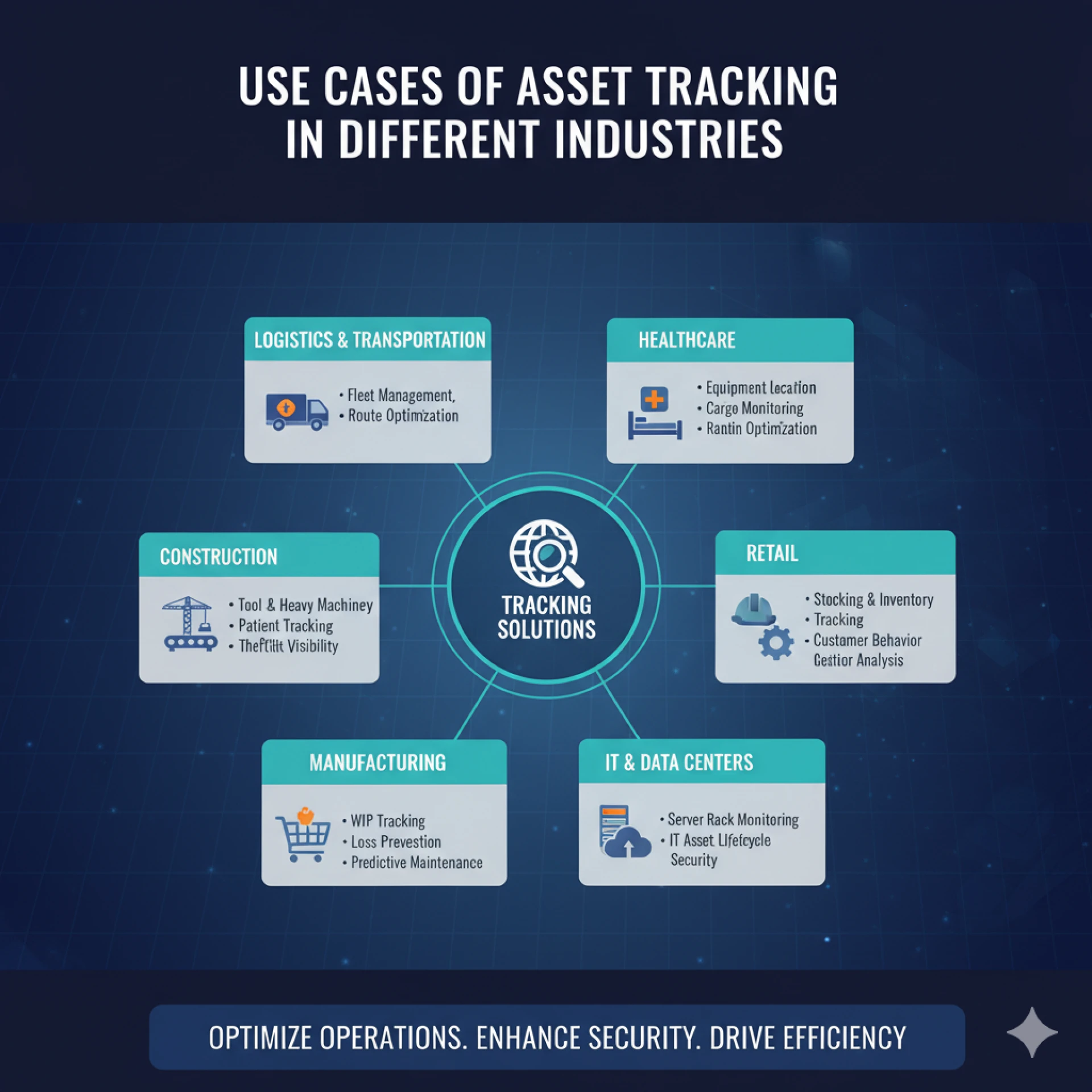
Use Cases of Asset Tracking in Different Industries
Healthcare
Hospitals use asset tracking to monitor medical devices, reduce equipment theft, and ensure availability during emergencies.
Construction
Construction firms track heavy machinery and tools across multiple job sites, ensuring accountability and minimizing downtime.
IT and Office Environments
Businesses track laptops, servers, and other IT assets to prevent loss, manage lifecycle, and improve cybersecurity measures.
Logistics and Transportation
Asset tracking ensures real-time visibility of shipments, reducing delays and ensuring customer satisfaction.
Steps to Secure Company Assets with Smart Tracking
- Identify Critical Assets: Begin by categorizing which assets require tracking based on value and usage.
- Choose the Right Technology: Match tracking solutions (GPS, RFID, IoT) with the type of assets.
- Integrate with Existing Systems: Ensure seamless connection with ERP, CRM, or inventory management systems.
- Train Employees: Provide adequate training on how to use the tracking system effectively.
- Monitor and Analyze Data: Use insights from tracking reports to make better operational and security decisions.
Challenges and How to Overcome Them
- High Initial Costs: Start small with essential assets and scale gradually.
- Data Security Concerns: Choose encrypted and secure platforms to protect sensitive information.
- Employee Resistance: Communicate the benefits clearly and involve teams in the implementation process.
Future of Asset Tracking Systems
The future of asset tracking lies in AI-driven predictive analytics and blockchain integration, which will provide even greater transparency, security, and efficiency. As businesses move toward digital transformation, smart asset tracking systems will become a standard requirement for companies aiming to safeguard resources and maintain a competitive edge.
Conclusion
An asset tracking system is no longer a luxury but a necessity for modern businesses. By integrating smart tracking solutions, companies can secure their assets, prevent losses, streamline operations, and make data-driven decisions. With technology advancing rapidly, organizations that adopt asset tracking today are better positioned to ensure long-term security, efficiency, and growth.









Sign in to leave a comment.