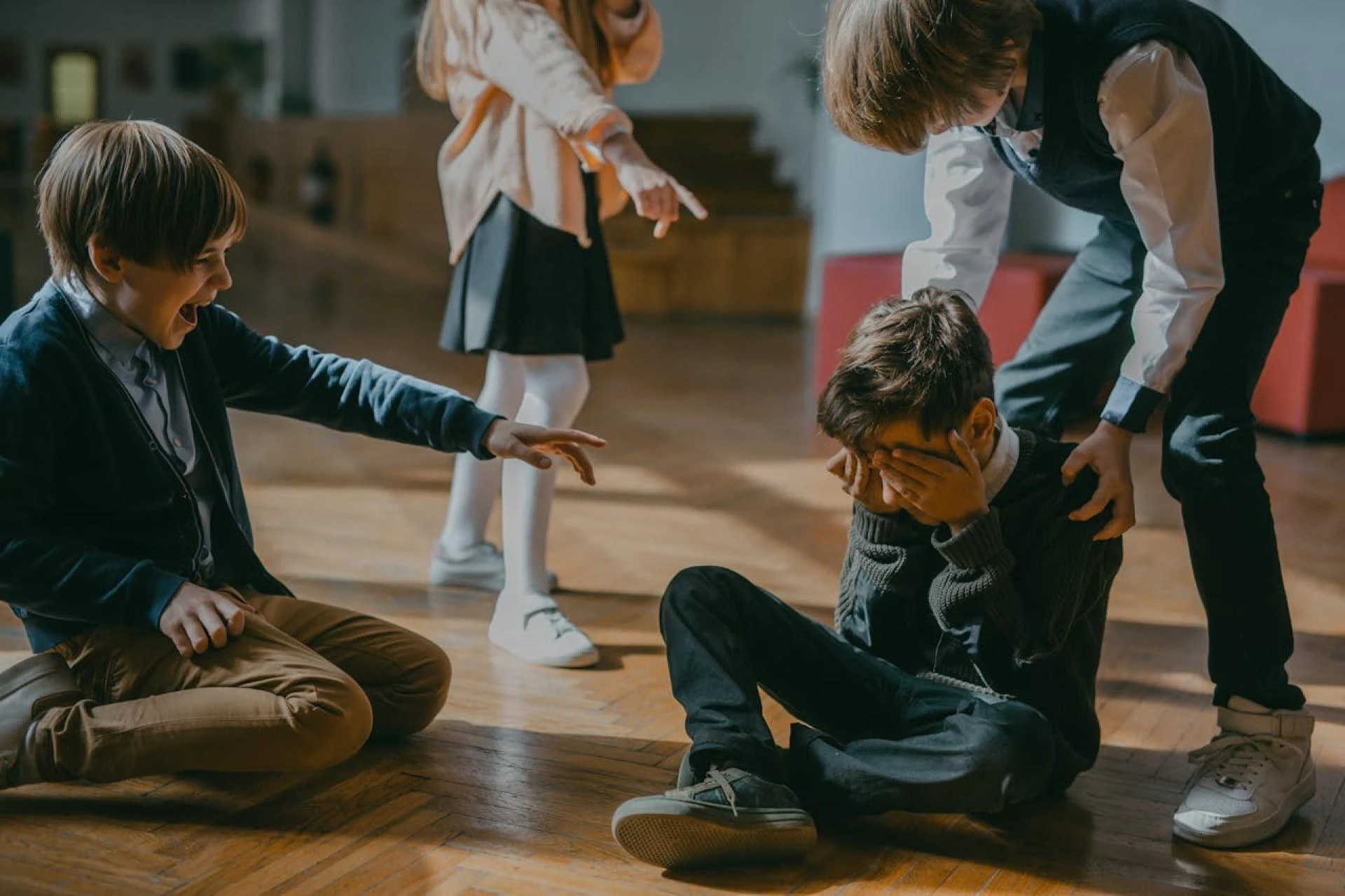

Bullying is a distressing experience that can have long-term emotional and psychological effects on children. Whether it occurs at school, online, or in social settings, bullying can lead to anxiety, depression, and low self-esteem. As a parent or caregiver, knowing how to support your child can make a significant difference in helping them regain confidence and emotional security.
Recognising the Signs of Bullying
Children who experience bullying may not always speak up. Being aware of the warning signs can help you intervene early. Common indicators include:
- Emotional Changes – Increased anxiety, sadness, or mood swings.
- Physical Signs – Unexplained bruises, cuts, or torn clothing.
- Behavioural Shifts – Avoiding school, social withdrawal, or loss of interest in activities they once enjoyed.
- Changes in Eating or Sleeping Patterns – Complaints of stomach aches, headaches, or trouble sleeping.
- Drop in Academic Performance – Difficulty concentrating or a sudden decline in grades.
If your child is showing any of these signs, it's crucial to create a safe space for them to talk about their experiences.
How to Support a Child Experiencing Bullying
1. Encourage Open Communication
Let your child know that they can talk to you about anything without fear of judgment. Ask open-ended questions like:
- “Can you tell me more about what happened at school today?”
- “How did that situation make you feel?”
Reassure them that they are not alone and that bullying is never their fault.
2. Teach Confidence and Assertiveness
Encourage your child to:
- Maintain eye contact and speak in a strong, clear voice.
- Walk away from a bullying situation instead of engaging.
- Seek help from a trusted teacher or school staff member.
3. Work with the School
Schools have policies in place to address bullying. Speak with teachers, school counsellors, or the principal to ensure they are aware of the situation and can take action to protect your child.
4. Monitor Online Activity
Cyberbullying is becoming more common. Keep an eye on your child’s online interactions and teach them how to:
- Block and report bullies.
- Avoid responding to negative messages.
- Maintain privacy settings on social media.
5. Build Emotional Resilience
Help your child develop coping strategies such as:
- Engaging in hobbies or activities that boost self-esteem.
- Practicing mindfulness or relaxation techniques.
- Surrounding themselves with supportive friends and family.
6. Seek Professional Support
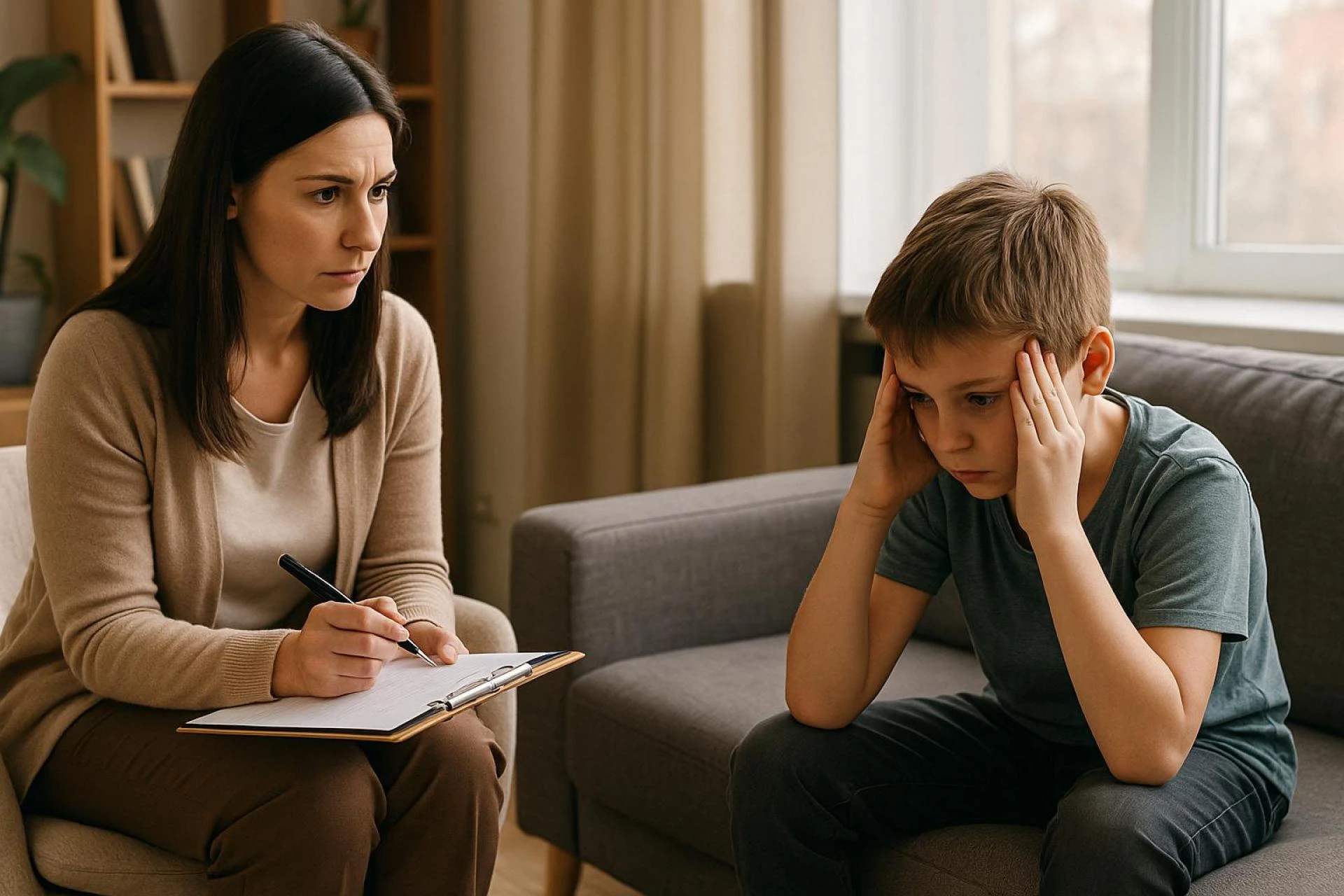
If bullying is affecting your child’s mental well-being, professional therapy can help them process their emotions and build coping skills.
At Brave Little Heroes Psychology Hub, expert child psychologists provide compassionate support for children dealing with bullying. Through tailored strategies, they help children rebuild confidence, manage anxiety, and develop resilience.
Final Thoughts
Bullying can be a deeply challenging experience, but with the right support, children can overcome its negative effects. By fostering open communication, equipping them with coping skills, and seeking professional guidance when needed, parents can empower their children to handle bullying with confidence.
If your child is struggling with bullying, visit Brave Little Heroes Psychology Hub for expert assistance in helping them regain emotional strength and resilience.










Sign in to leave a comment.