
You bought your dishwasher to make life easier, not to add another problem to your list. But when that trusty kitchen sidekick starts acting up, it can be frustrating. Do you try a quick fix, or is it time to call in the cavalry? I have been there, staring at a tub full of seemingly clean but secretly grimy dishes, wondering the same thing. The key is knowing what signs to look for. Let us walk through the clear indicators that your dishwasher is crying out for professional help.
Understanding the Basics of Dishwasher Health
First, it is important to remember that your dishwasher is a complex machine. It combines heating elements, pumps, spray arms, and sophisticated electronics to get your dishes spotless. Because of this complexity, not every issue is a do-it-yourself project. Recognizing the difference between a simple clog you can handle and a serious internal failure is why professional dishwasher repair services exist. Knowing when to call them can save you time, money, and a major headache down the line. A little knowledge now can prevent a full-blown appliance meltdown later.
Your Dishes Are Coming Out Dirty
This is perhaps the most obvious and disappointing sign. You run a full cycle, only to find food particles stuck to your plates and a film over your glasses. Before you panic, check two simple things. First, make sure you are loading it correctly and not blocking the spray arms. Second, check that the filter at the bottom of the tub is not clogged with debris. A quick clean might solve the issue. But if you have done this and your dishes are still coming out dirty, it could point to a malfunctioning pump, a blocked spray arm, or a problem with the water inlet valve. These are components that typically require a trained technician.
There is a Puddle on Your Kitchen Floor
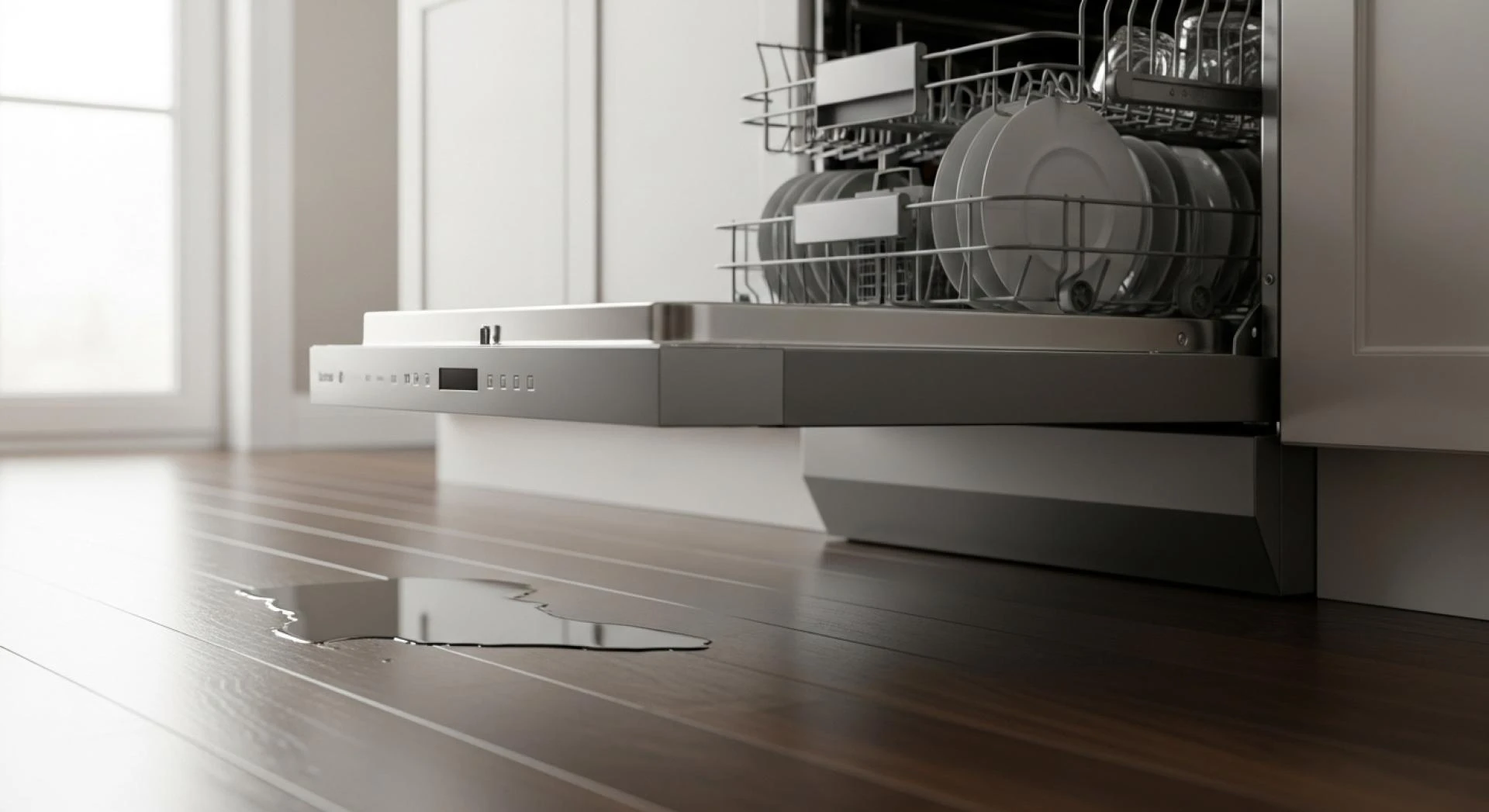
A leak is a definite red flag. If you discover water around the base of your dishwasher, do not ignore it. The cause could be as simple as a worn out door gasket, which is the rubber seal around the door. You can often inspect this for cracks or tears yourself. However, the leak could also be coming from a loose hose connection, a cracked tub, or a faulty water inlet valve. These are more serious issues that can lead to water damage in your kitchen cabinets and floor. As the experts at the U.S. Department of Energy note, maintaining your appliances is key to home efficiency, and a leak is a clear sign that maintenance is overdue. When you see a persistent puddle, it is time to seek out professional dishwasher repair services to diagnose and solve the leak before it creates a much larger and more expensive problem.
It is Making Strange Noises
A dishwasher should not sound like a rock tumbler or a jet engine. While some humming and swishing is normal, loud grinding, screeching, or banging noises are not. Grinding often suggests a foreign object, like a piece of broken glass, is stuck in the pump impeller. A screeching sound could mean a pump motor bearing is failing. If you hear a loud banging, a spray arm might be broken or obstructed. These noises are your dishwasher's way of screaming for help. Continuing to run it with these sounds can cause catastrophic damage. It is best to turn it off and get it looked at.
The Dishwasher Will Not Start at All
You close the door, press "Start," and… nothing happens. It is a common and frustrating situation. Your first step is always to check the simple things. Is the door latching firmly? Is the unit getting power? Check your home's circuit breaker or GFCI outlet to ensure it has not tripped. If the power is on and the door is secure, but the control panel remains dead, the issue could be a faulty door switch, a broken control board, or a wiring problem. Diagnosing and repairing these electrical components safely is a job for a professional.
It is Not Cleaning with Hot Water
Dishwashers rely on hot water to dissolve detergent and sanitize dishes. If you open the door mid cycle and the water inside is not hot, you have found a likely culprit for poor cleaning performance. First, ensure your home's water heater is set to an appropriate temperature, typically around 120 degrees Fahrenheit. You can also try running the hot water in your kitchen sink right before starting the dishwasher to clear any cool water from the pipes. If the water in the dishwasher is still lukewarm, the internal heating element may have burned out. This is a very common repair that a technician can handle quickly.
Knowing When to Call a Professional
It is tempting to try and fix everything ourselves, but there is a point where calling a professional is the smarter, safer, and more cost effective choice. As the old saying goes, "Know when to hold 'em and know when to fold 'em." The same wisdom applies to appliance repair. If you have tried the basic troubleshooting steps like cleaning the filter and checking for power with no success, or if you are dealing with leaks, strange noises, or electrical issues, it is time to fold your hand and call in an expert. A professional can accurately diagnose the problem, have access to the right parts, and get your kitchen back to normal efficiently.
Final Thoughts
Your dishwasher is a workhorse, but it is not invincible. Paying attention to these warning signs: dirty dishes, leaks, strange noises, a failure to start, and cold water can help you catch problems early. While some minor maintenance is perfectly manageable, knowing when to seek professional help is the real key to a long appliance life. Do not let a small issue turn into a major replacement. Listen to what your appliance is telling you, and you will enjoy clean dishes for years to come.










Sign in to leave a comment.