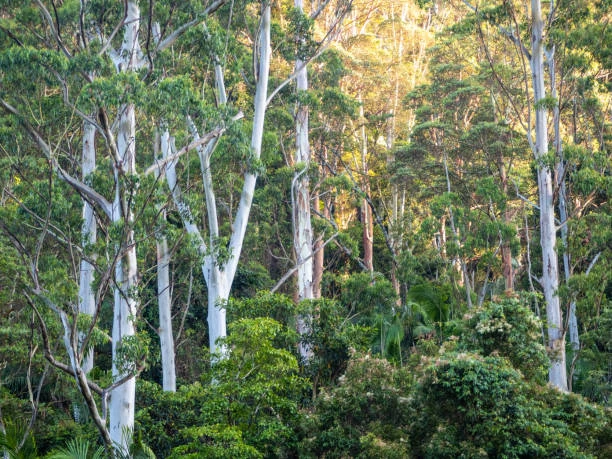

Gum trees (Eucalyptus spp.) are a vital part of Australia’s landscape, valued for their beauty, shade, and ecological significance. However, these iconic trees are vulnerable to a range of diseases, with Phytophthora root rot being one of the most serious threats.
Phytophthora root rot, caused by the water mold Phytophthora cinnamomi, attacks the roots of gum trees, impairing their ability to absorb water and nutrients. If left untreated, it can lead to dieback, reduced growth, and eventually tree death. Early detection and effective treatment are essential to preserving the health of these trees.
Understanding Phytophthora Root Rot
Phytophthora is a soil-borne pathogen that thrives in moist, poorly drained soils. It spreads through water movement, infected soil, and plant material. Once it infects a tree, it attacks the fine roots first, causing them to decay. Over time, the infection moves to larger roots, weakening the tree and reducing its capacity to absorb nutrients and water.
Gum trees disease like Phytophthora root rot often show stress symptoms, even before visible root damage is apparent. Understanding the pathogen and its lifecycle is crucial for effective management.
Signs and Symptoms of Phytophthora in Gum Trees
Identifying the disease early can make treatment more effective. Common symptoms include:
- Wilting and Yellowing Leaves: Infected trees often display wilting foliage during dry periods or when soil moisture is adequate.
- Dieback of Branches: Upper branches and tips may die back, creating a sparse canopy.
- Reduced Growth: Trees infected with Phytophthora exhibit stunted growth and reduced leaf production.
- Dark, Decaying Roots: The most definitive sign is blackened, soft, or rotting roots when inspected.
- Gum Exudates: In some cases, the tree may exude a dark, gummy substance near the base.
Early detection through visual inspection and root examination is key to preventing extensive damage.
Environmental Factors That Promote Phytophthora
Certain conditions increase the likelihood of Phytophthora root rot in gum trees:
- Poor Drainage: Waterlogged soils create ideal conditions for the pathogen.
- Excessive Irrigation: Overwatering can exacerbate root rot by reducing soil oxygen.
- Disturbed Soil: Construction or landscaping can spread infected soil to healthy trees.
- High Rainfall or Flooding: Moist conditions favor pathogen survival and spread.
Understanding these factors allows for targeted prevention and better management strategies.
Natural and Cultural Treatments
Managing Phytophthora root rot involves a combination of cultural practices, chemical treatments, and sometimes professional intervention. Here are the most effective strategies:
1. Improve Soil Drainage
Since Phytophthora thrives in wet, poorly drained soils, improving drainage is critical.
- Aerate the Soil: Use a garden fork or aerator to increase soil oxygenation and promote root health.
- Amend Soil: Incorporate organic matter or sand to improve soil structure and drainage.
- Raised Planting: For new plantings, consider raised beds or mounds to reduce waterlogging around the roots.
Good drainage not only limits the spread of Phytophthora but also supports overall tree health.
2. Reduce Stress on Trees
Healthy trees are more resilient to infection. Reduce stress by:
- Watering Wisely: Avoid overwatering. Only irrigate during prolonged dry periods.
- Mulching Carefully: Apply organic mulch around the base, but keep it away from direct contact with the trunk to prevent moisture accumulation.
- Avoid Root Damage: Minimise construction, digging, or soil compaction near the root zone.
Stressed trees are more susceptible to dieback and may not respond well to treatments.
3. Use Phosphite Treatments
Phosphite (phosphorous acid) applications are widely regarded as one of the most effective treatments for Phytophthora.
- Mode of Action: Phosphite strengthens the tree’s natural defense system, helping it resist infection and slowing disease progression.
- Application Methods:
- Trunk Injection: Directly injects phosphite into the tree’s vascular system for rapid absorption.
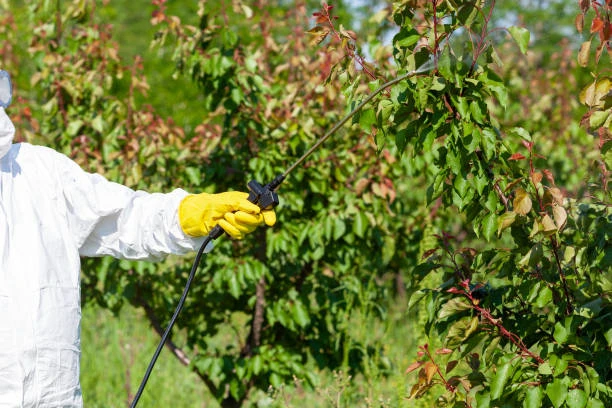
- Foliar Spray: Spraying leaves allows the tree to uptake phosphite gradually.
- Timing: Apply during active growth periods, typically in spring and autumn. Repeat applications every 6–12 months depending on severity.
It’s important to follow manufacturer instructions or consult an arborist to ensure correct dosage and application technique.
4. Remove Severely Infected Trees
In cases of advanced infection, removal may be necessary to prevent the spread of Phytophthora to nearby healthy trees.
- Excavate and Dispose of Roots: Remove infected roots and soil, and dispose of them responsibly.
- Sanitize Tools: Clean tools with a disinfectant between cuts to prevent cross-contamination.
- Replace with Resistant Species: Consider planting Phytophthora-resistant trees or cultivars in affected areas.
Prompt removal of severely infected trees protects the surrounding landscape from further disease spread.
Preventive Measures for Healthy Gum Trees
Prevention is always more effective than treatment. By adopting proactive measures, you can significantly reduce the risk of Phytophthora root rot:
- Plant Resistant Varieties: Some gum species are more tolerant of Phytophthora, such as Eucalyptus marginata and Eucalyptus diversicolor.
- Monitor Soil Moisture: Avoid prolonged waterlogging and ensure irrigation systems are well-designed.
- Sanitize Equipment: Prevent pathogen spread by cleaning tools and machinery that contact soil.
- Mulch Strategically: Mulch conserves moisture without creating overly wet conditions around the trunk.
- Regular Inspections: Check trees regularly for early signs of stress, dieback, or root decay.
Integrating these practices creates a healthy growing environment and reduces the risk of infection.
Professional Intervention
For home gardeners or large-scale landscapes, professional help can make a difference. Arborists or tree care specialists can:
- Diagnose the extent of Phytophthora infection.
- Apply trunk injections or foliar sprays safely.
- Recommend site-specific soil amendments and drainage solutions.
- Suggest resistant species or replacements for severely affected areas.
Professional expertise ensures that treatment is effective, safe, and sustainable.
Final Thoughts
Phytophthora root rot is a serious threat to gum trees, but with early detection, effective treatment, and preventive care, it is manageable. By improving soil drainage, reducing tree stress, applying phosphite treatments, and practicing good hygiene, home gardeners can protect their gum trees naturally and sustainably.
Healthy, well-maintained trees are not only more resilient to disease but also contribute to a thriving garden, providing shade, beauty, and ecological benefits for years to come.
By understanding the disease and taking proactive measures, you can ensure that your gum trees remain strong, vibrant, and free from the devastating effects of Phytophthora root rot.











Sign in to leave a comment.