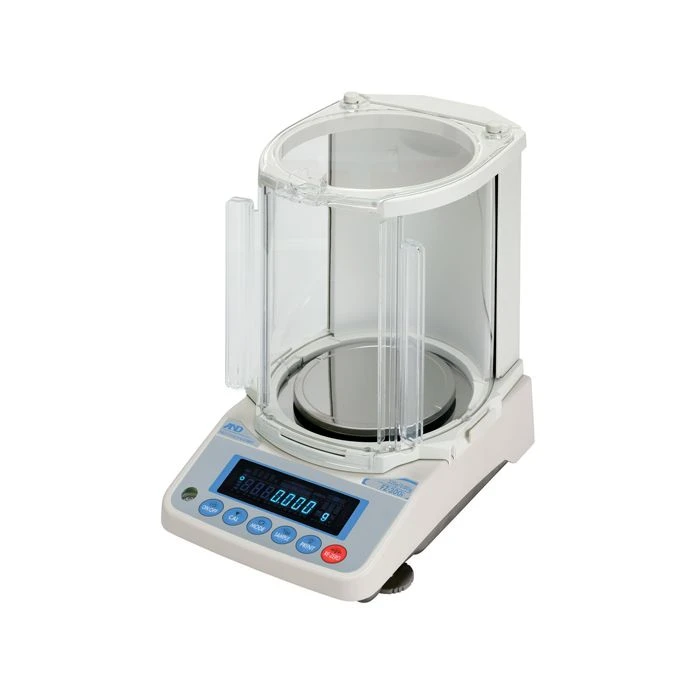
Laboratory balances are essential tools in scientific research, quality control, and industrial laboratories. They provide accurate measurements crucial for experiments, formulations, and compliance with industry standards. However, like all precision instruments, laboratory balances can occasionally encounter issues that affect their performance. Understanding common problems and how to troubleshoot them ensures accuracy, reliability, and longevity of your equipment.
Understanding Laboratory Balances
Before diving into troubleshooting, it’s important to know the types of laboratory balances and their typical uses. The most common types include:
- Analytical balances: Highly sensitive, used for measuring small quantities with precision up to 0.1 mg.
- Precision balances: Suitable for larger quantities with slightly lower precision.
- Top-loading balances: Simple and robust, typically used for routine weighing where ultra-precision is not critical.
Each type has unique calibration needs and sensitivity, which can influence how you address problems.
Common Issues and Their Causes
Several common issues can occur with laboratory balances. Recognizing the symptoms early helps prevent inaccurate measurements and costly mistakes.
a) Inconsistent Readings
One of the most frequent problems is inconsistent readings, where the balance shows varying measurements for the same sample. Causes include:
- Environmental factors: Vibrations, air currents, and temperature fluctuations can affect sensitive balances.
- Unstable surface: Balances must be placed on a flat, vibration-free surface. Even slight tilting can impact readings.
- Dirty weighing pan: Residue or debris can cause variations in measurements.
Solution:
- Relocate the balance to a stable, vibration-free area away from doors, fans, or windows.
- Clean the weighing pan and the surrounding area regularly.
- Allow the balance to warm up if it has been turned off for a while. Most analytical balances require a 30-minute warm-up.
b) Zero or Tare Errors
A zero or tare error occurs when the balance does not read zero after taring or when the scale shows a negative or unexpected value. Causes include:
- Improper calibration: Over time, balances drift and need recalibration.
- Overloading: Exceeding the maximum weight can damage sensors and affect zeroing.
- Residual static charges: Static electricity on containers or samples can cause erroneous readings.
Solution:
- Recalibrate the balance using certified calibration weights.
- Avoid overloading and follow the balance’s specified weight limits.
- Use anti-static devices or ionizers if static charges are common in your lab.
c) Unresponsive or Frozen Display
Sometimes, the balance may stop responding or display error messages. Possible causes include:
- Power supply issues: Fluctuating voltage or loose cables can interrupt operation.
- Software or firmware glitches: Modern balances often rely on embedded software.
- Internal component failure: Sensors, display boards, or processors may malfunction.
Solution:
- Check that the balance is properly connected and the power supply is stable.
- Reset the balance following the manufacturer’s instructions.
- If the problem persists, contact the service provider or manufacturer for professional repair.
d) Overload or “Err” Messages
An “Err” or overload message usually appears if the weight on the balance exceeds its maximum capacity or if the balance detects mechanical stress. Causes include:
- Placing heavy items on a sensitive analytical balance.
- Mechanical shock, such as dropping the balance or subjecting it to sudden impacts.
Solution:
- Remove the overload immediately.
- Check for mechanical damage or misalignment of the weighing pan.
- Recalibrate once the balance is reset.
e) Drift in Measurements
Drift refers to gradual changes in readings even when the sample remains unchanged. Causes include:
- Temperature fluctuations: Many balances are temperature-sensitive.
- Air currents: Drafts from air conditioners or open windows can affect readings.
- Internal component aging: Sensors and load cells can deteriorate over time.
Solution:
- Keep the laboratory environment temperature-controlled.
- Use draft shields on analytical balances.
- Schedule regular maintenance and calibration.
Preventive Measures for Reliable Performance
Troubleshooting is reactive; preventive care can reduce issues significantly. Some best practices include:
a) Regular Calibration
Calibration ensures the balance’s readings remain accurate. Analytical balances should be calibrated daily or per manufacturer recommendations. Use certified weights for calibration to maintain compliance with ISO or GLP standards.
b) Proper Placement
Place balances on stable, vibration-free surfaces. Avoid areas near doors, HVAC vents, or windows. Anti-vibration tables are ideal for highly sensitive balances.
c) Cleaning and Maintenance
Clean the balance regularly, including the weighing pan, draft shields, and surrounding surfaces. Avoid harsh chemicals that could damage components. Lubricate moving parts if specified in the user manual.
d) Environmental Controls
Maintain consistent room temperature and humidity. Avoid direct sunlight or drafts. For ultra-sensitive measurements, consider using an enclosed weighing chamber.
e) Operator Training
Even the best balances can produce errors if not used correctly. Train staff on proper handling, taring procedures, sample placement, and reporting of anomalies.
When to Seek Professional Support
Despite best efforts, some issues require professional intervention:
- Persistent zeroing errors after recalibration.
- Unexplained drift despite environmental controls.
- Display or sensor malfunctions.
- Physical damage to the balance or weighing pan.
Many manufacturers offer calibration and repair services. Scheduling routine maintenance helps prevent unexpected downtime and ensures compliance with laboratory standards.
Final Thoughts
Laboratory balances are precise instruments requiring careful handling, environmental consideration, and regular maintenance. By understanding common issues such as inconsistent readings, zero errors, drift, and error messages, laboratory personnel can troubleshoot problems effectively. Preventive practices like proper calibration, environmental controls, and operator training can significantly extend the lifespan and accuracy of your balance.
Maintaining your laboratory balances is not just about accuracy—it’s about ensuring the reliability of your experiments, compliance with industry standards, and the overall efficiency of your lab operations. By combining careful troubleshooting with routine preventive care, you can maximize performance and avoid costly mistakes.
Sign in to leave a comment.