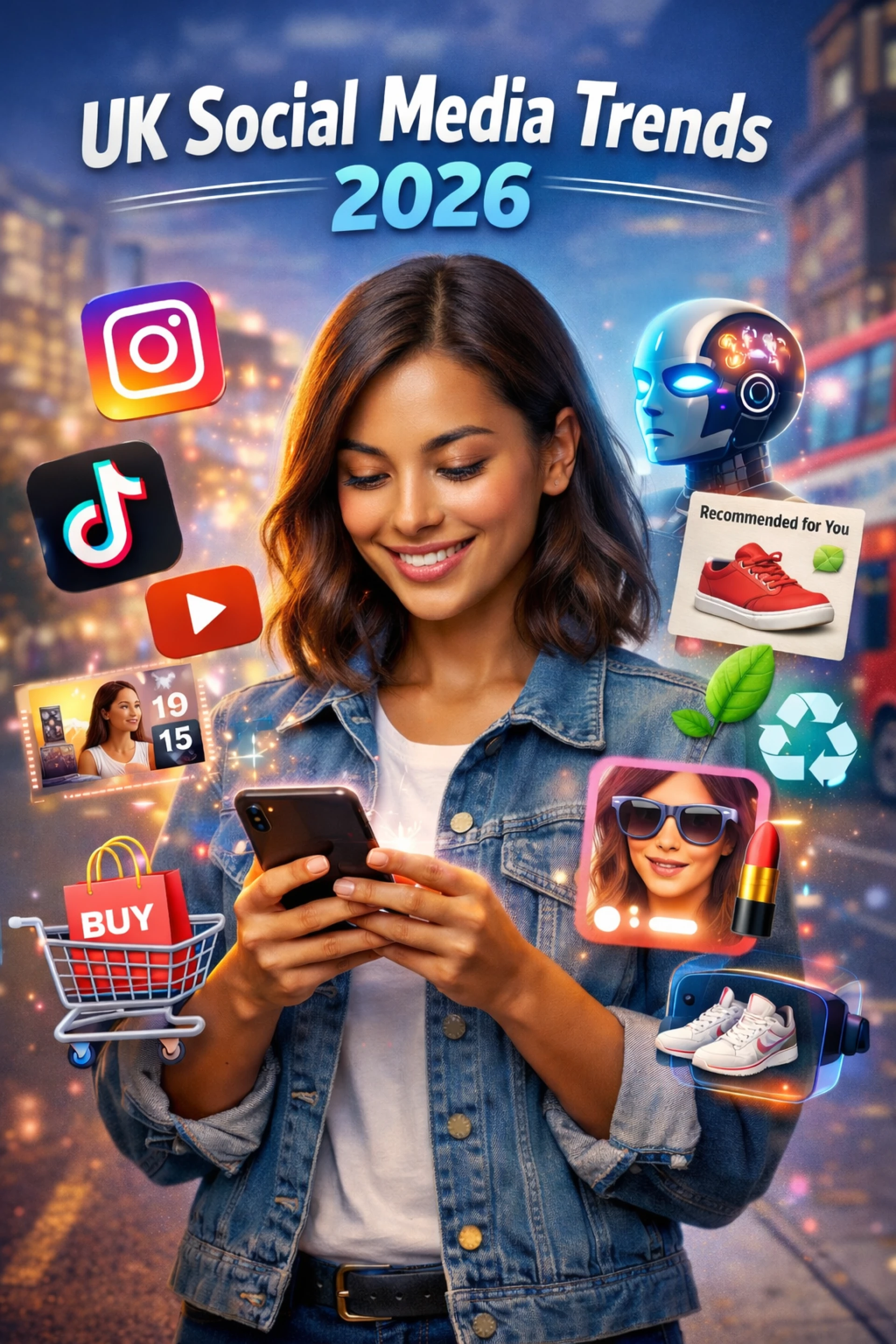

Social media has become an inseparable part of everyday life in the UK. From discovering the latest fashion trends to researching products before making a purchase, UK consumers are constantly interacting with brands online.
By 2026, the way people engage with social media is expected to evolve dramatically. For businesses aiming to stay ahead, understanding these changes is crucial and knowing when to hire a social media manager could make all the difference.
The shift in behaviour will not only affect marketing strategies but also influence customer expectations, loyalty, and engagement patterns across industries. Businesses that fail to adapt risk losing relevance in an increasingly competitive digital landscape.
1. Increased Demand for Authenticity
UK consumers are becoming more discerning about the content they engage with. By 2026, there will likely be an even stronger preference for authentic, human-driven interactions over overly polished marketing campaigns.
- Consumers want brands to feel approachable and genuine.
- They are quick to detect content that feels staged or insincere.
- Micro-influencers with smaller but highly engaged followings will continue to gain prominence because they provide a more authentic voice.
Example: A behind-the-scenes video of your team creating a product or responding to customers naturally can perform far better than a scripted ad. A social media manager can craft and manage this content strategically to maintain authenticity across platforms.
This approach also encourages more two-way communication with followers, increasing trust and long-term loyalty. Engaging in real conversations, answering questions, and addressing concerns personally will become a key differentiator for brands.
2. Short-Form Video Will Dominate
Short-form video content is already dominating social media, and this trend is expected to intensify by 2026. Platforms like TikTok, Instagram Reels, and YouTube Shorts are leading the charge.
- UK consumers prefer visually engaging content delivered quickly.
- Quick, informative, or entertaining videos will outperform static posts.
Example: A 30-second tutorial showing how to use a new product or a fun “day in the life” clip can generate high engagement. A social media manager can plan and produce these videos to align with current trends and audience preferences.
Short-form videos also allow brands to experiment with creative storytelling formats, making it easier to track engagement metrics and refine content strategies over time. The versatility of these videos ensures they remain shareable, increasing organic reach without additional ad spend.
3. Shopping Directly Through Social Media
Social commerce is expected to grow exponentially in the UK by 2026. Consumers are becoming comfortable making purchases directly through social media platforms.
- Instagram Shops, TikTok Shopping, and in-app purchasing will become standard.
- Brands that integrate shopping experiences seamlessly into their social content will gain an advantage.
Example: A carousel ad showcasing products with a “buy now” feature can turn engagement directly into sales. Hiring a social media manager ensures your social commerce strategy is optimised for conversions and smooth customer experiences.
With the rise of impulse buying and mobile-first shopping, brands that can provide a frictionless experience will capture higher sales and repeat customers. Additionally, personalised product recommendations through social media can further enhance the shopping journey.
4. Personalisation and AI-Driven Experiences
AI and machine learning are reshaping social media interactions. By 2026, UK consumers will expect highly personalised content tailored to their interests and behaviours.
- AI can recommend content, products, or promotions based on individual preferences.
- Human oversight ensures the content remains creative and authentic.
Example: Personalised direct messages or AI-curated content feeds can significantly increase engagement when paired with thoughtful human input. A social media manager bridges this gap between automation and creativity.
The combination of AI and human expertise allows for dynamic content strategies that adapt in real-time to audience preferences, creating more meaningful and memorable interactions. Brands that fail to personalise will likely see engagement rates decline compared to those delivering tailored experiences.
5. Ethical and Sustainable Engagement Matters
Modern UK consumers are increasingly conscious of the social and environmental impact of their choices. By 2026, this mindset will strongly influence social media behaviour.
- Audiences prefer brands demonstrating genuine ethical and sustainable practices.
- Transparent campaigns and storytelling build trust and loyalty.
Example: Sharing a post about your sustainable sourcing or charitable initiatives can resonate deeply. A social media manager can highlight these efforts effectively, using content that inspires engagement while aligning with brand values.
Ethical practices will not only attract customers but also employees, partners, and investors who align with the brand’s mission. Social media will serve as a primary platform for demonstrating accountability and fostering a sense of community around shared values.
6. Voice and AR-Enhanced Interactions
Emerging technologies like voice search and augmented reality (AR) are shaping social media engagement. By 2026, consumers may increasingly interact with apps via voice commands or AR features.
- AR try-ons or interactive filters will enhance user experience.
- Voice-driven campaigns will offer new ways to engage audiences.
Example: AR filters for virtual product trials or voice-based Q&A features create memorable, interactive experiences. A social media manager can implement these innovations to position your brand as forward-thinking and tech-savvy.
These technologies also open doors to creative campaigns that blend entertainment, education, and sales in a single experience, encouraging higher engagement rates and memorable brand interactions. Early adopters of these tools will likely gain a significant competitive advantage.
Conclusion
By 2026, UK consumer behaviour on social media will be shaped by:
- A demand for authenticity
- The dominance of short-form video
- Social commerce integration
- AI-driven personalisation
- Ethical and sustainable engagement
- Voice and AR-enhanced interactions
To navigate these changes successfully, businesses need more than just a presence online. Strategic, informed management is essential. Choosing to hire a social media manager ensures your brand can adapt to evolving trends, create engaging content, and maintain strong connections with your audience.
Investing in professional expertise will allow businesses to anticipate shifts, maximise engagement, and convert followers into loyal customers. The brands that embrace these changes proactively will be best positioned to thrive in 2026 and beyond.










Sign in to leave a comment.