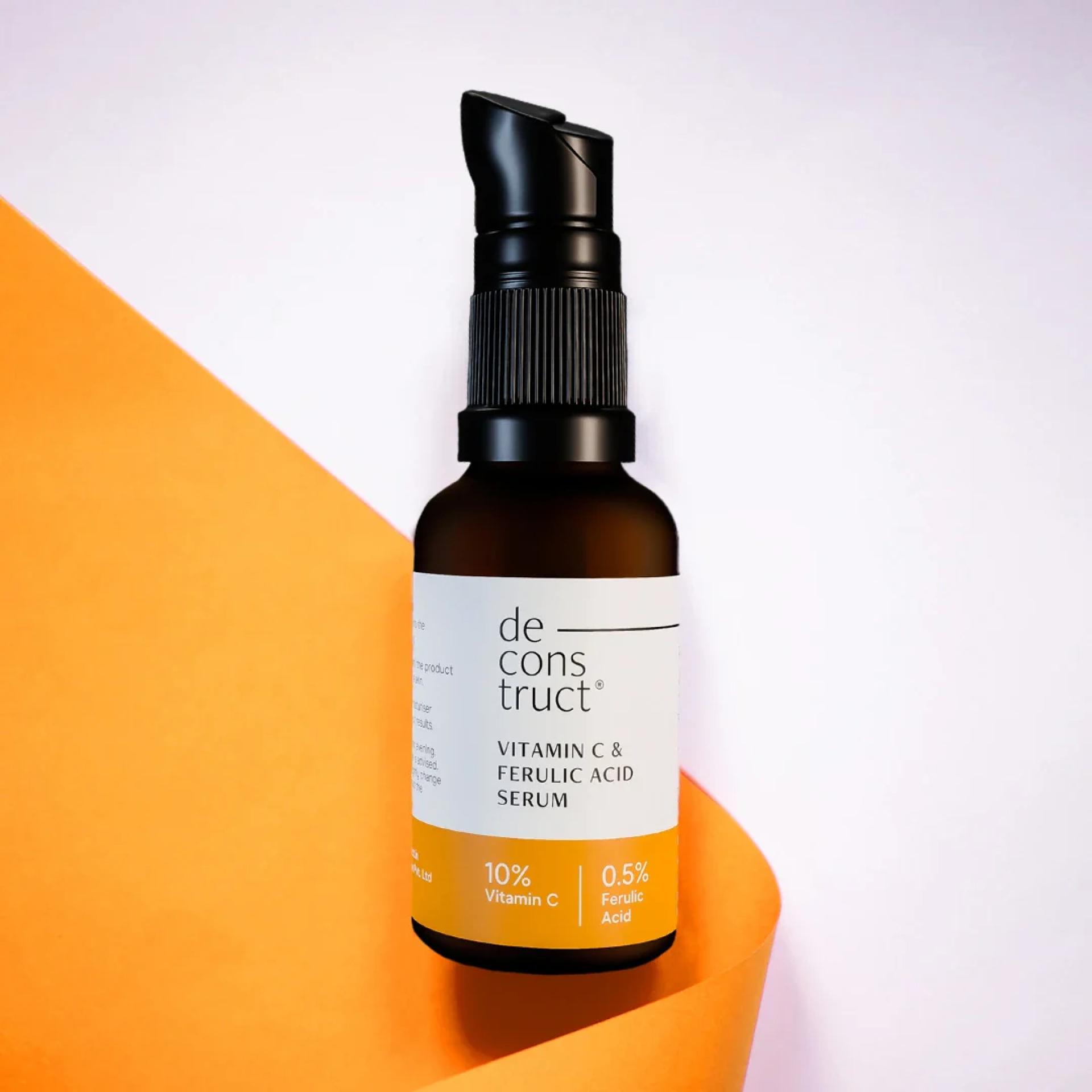
Dark spots, hyperpigmentation, and uneven skin tone are common skin concerns that can arise from various factors, including sun exposure, acne, hormonal changes, and inflammation. While countless ingredients promise to brighten the complexion, one stands out with robust scientific backing and a proven track record: Vitamin C.
Often hailed as a skincare superstar, Vitamin C (L-Ascorbic Acid and its derivatives) is a potent antioxidant that offers a multitude of benefits for skin health, with its ability to combat pigmentation being a key highlight. But how exactly does this powerhouse ingredient work its magic? Let's delve into the science behind how Vitamin C helps fade existing dark spots and prevents new ones from forming, ensuring a brighter, more even complexion.
Understanding Hyperpigmentation: The Root of Dark Spots
Before we explore Vitamin C's role, it's essential to understand hyperpigmentation. This condition results from an overproduction of melanin, the pigment responsible for skin, hair, and eye color. When melanocytes (melanin-producing cells) become overactive due to triggers like UV radiation, inflammation, or hormonal fluctuations, they produce excess melanin, leading to localized dark patches.
The Multi-Faceted Action of Vitamin C Against Pigmentation
Vitamin C doesn't just offer a single solution; it tackles hyperpigmentation through several sophisticated mechanisms:
1. Inhibiting Tyrosinase Activity: Blocking Melanin Production
The most crucial way Vitamin C combats pigmentation serum is by directly interfering with the melanin production pathway. It does this by inhibiting tyrosinase, a key enzyme essential for melanin synthesis. Think of tyrosinase as the "master switch" for melanin production. By reducing its activity, Vitamin C effectively puts a brake on the overproduction of pigment. This means existing dark spots gradually fade as new, lighter skin cells are produced, and the formation of new spots is significantly reduced.
2. Antioxidant Power: Neutralizing Free Radical Damage
Our skin is constantly exposed to environmental aggressors like UV rays and pollution. These stressors generate harmful molecules called free radicals, which can damage skin cells and trigger inflammation, ultimately leading to increased melanin production and worsening hyperpigmentation.
Vitamin C is a powerful antioxidant that effectively neutralizes these free radicals. By scavenging these unstable molecules, it protects skin cells from oxidative stress and prevents the cascade of events that contribute to dark spot formation. This protective action is especially crucial when paired with sunscreen, offering a comprehensive defense against sun-induced pigmentation.
3. Reducing Melanin Transfer: Preventing Pigment Spread
Beyond inhibiting production, some research suggests that Vitamin C may also play a role in reducing the transfer of melanin from melanocytes to keratinocytes (the skin cells that make up the outermost layer of your skin). By slowing down this transfer, Vitamin C helps prevent the pigment from reaching the surface and becoming visibly darker, contributing to a more even skin tone.
4. Promoting Cell Turnover: Shedding Pigmented Cells
While not a direct action on melanin production, Vitamin C contributes to overall skin health by supporting healthy cell turnover. Aiding in the natural exfoliation process helps shed old, pigmented skin cells more efficiently, revealing fresher, lighter skin beneath. This natural renewal contributes to a gradual fading of dark spots over time.
5. Boosting Collagen Production: Improving Overall Skin Health
While not directly related to pigmentation fading, Vitamin C's role in collagen synthesis indirectly supports an even complexion. Collagen is the skin's structural protein, responsible for its firmness and elasticity. Healthy collagen production leads to stronger, more resilient skin, which is better equipped to repair itself and maintain an even tone. This also helps improve skin texture, making dark spots less noticeable and contributing to an overall brighter appearance.
Choosing and Using Vitamin C for Best Results
To harness Vitamin C's full potential for fading pigmentation, consider these factors:
- Form of Vitamin C: Look for products containing L-Ascorbic Acid (LAA), which is the purest and most potent form. However, LAA can be unstable. Stable derivatives like Sodium Ascorbyl Phosphate, Magnesium Ascorbyl Phosphate (MAP), Ethyl Ascorbic Acid, and Tetrahexyldecyl Ascorbate (THD Ascorbate) are also excellent choices, especially for sensitive skin, as they convert to LAA once absorbed.
- Concentration: Serums typically offer the highest concentrations (5% to 20% LAA are common and effective). Start with a lower concentration if you have sensitive skin and gradually increase.
- Packaging: Vitamin C is sensitive to light and air, so choose products in opaque, air-tight packaging (e.g., dark glass bottles with droppers, pump dispensers) to maintain its stability and efficacy.
- Consistency is Key: Regular and consistent use is crucial for visible results. Apply Vitamin C serum daily, preferably in the morning, followed by sunscreen.
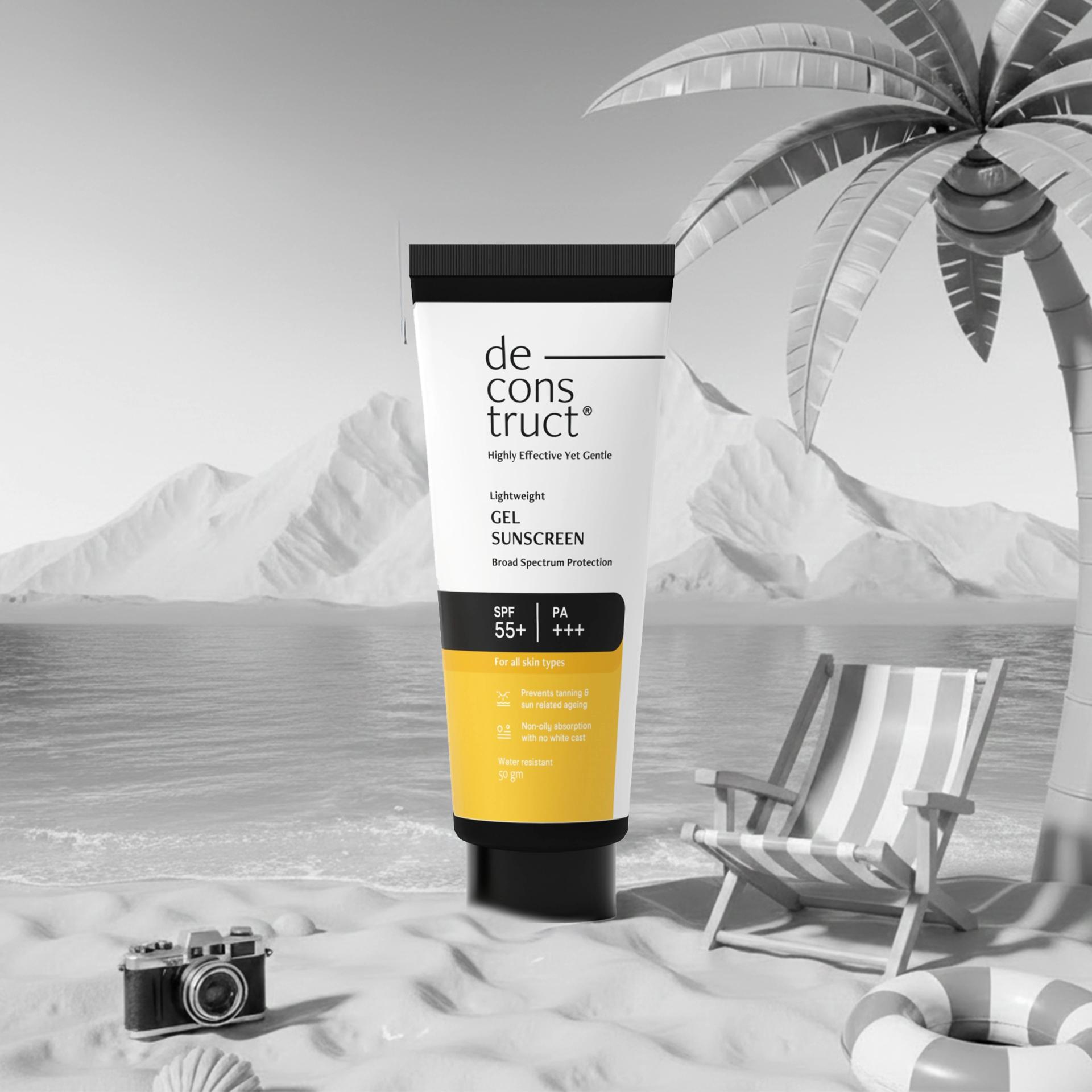
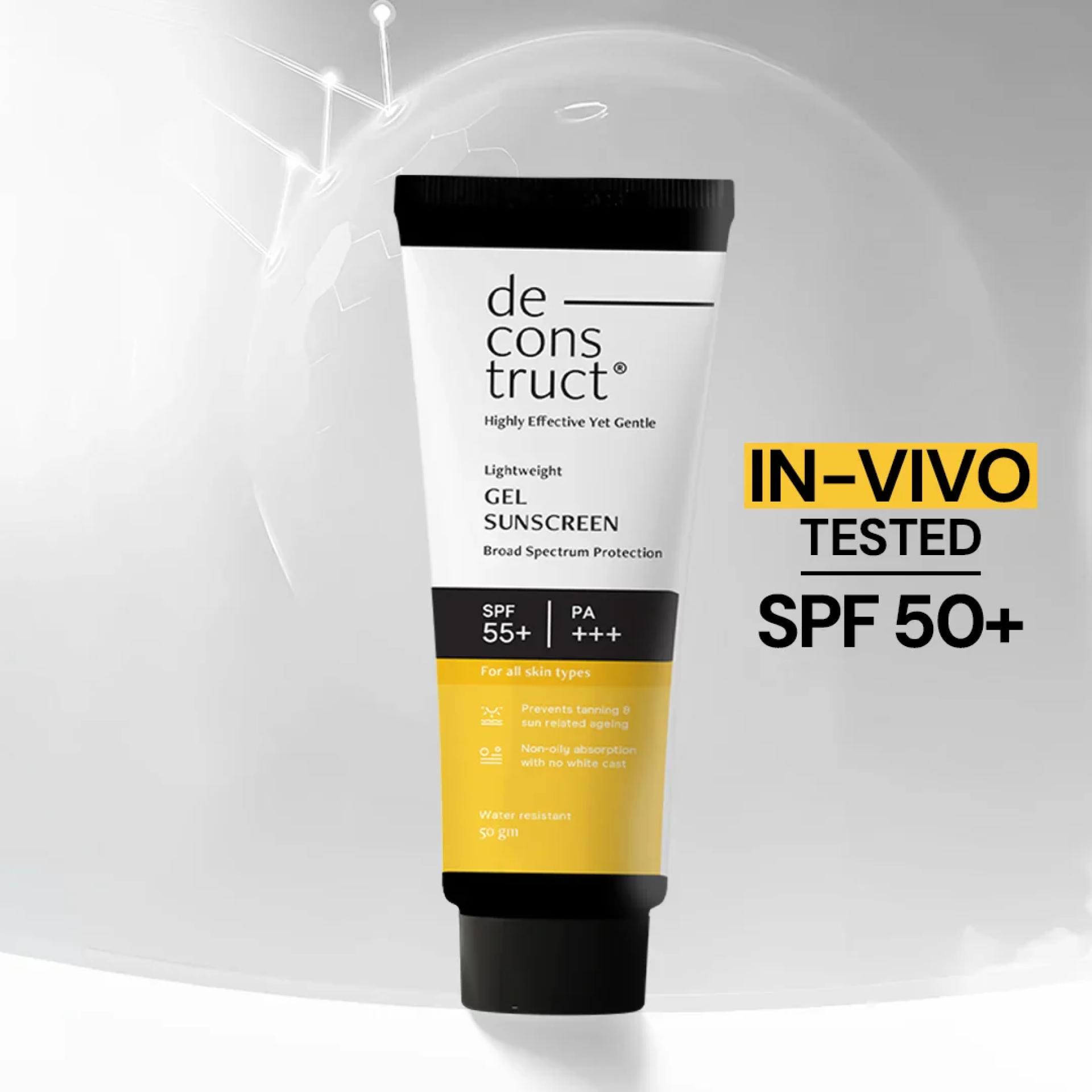
- Pair with Sunscreen: This is non-negotiable! Vitamin C protects against free radical damage from UV rays, but it does not replace sunscreen. Sunscreen is essential to prevent new pigmentation from forming.
- Other Synergistic Ingredients: Vitamin C often works well with other ingredients that target hyperpigmentation, such as Vitamin E (which stabilizes Vitamin C and enhances its antioxidant power), Ferulic Acid (further boosting antioxidant benefits), Niacinamide, and Alpha Arbutin.
Expert Opinion and Evidence
Dermatologists widely recommend topical Vitamin C for hyperpigmentation due to its scientifically proven mechanisms. Numerous studies have demonstrated its effectiveness in reducing melanin content, improving skin brightness, and diminishing the appearance of dark spots. The consensus among skincare professionals is that incorporating a well-formulated Vitamin C product into your daily routine is a valuable step towards achieving a clearer, more radiant complexion.
The Takeaway
Vitamin C is a game-changer in the fight against pigmentation and dark spots. Its ability to inhibit melanin production, neutralize free radicals, support healthy cell turnover, and contribute to overall skin health makes it an indispensable ingredient for anyone seeking a more even and luminous skin tone. By understanding how this powerful vitamin works and using it correctly, you can unlock its full potential for a visibly brighter and healthier complexion.











Sign in to leave a comment.