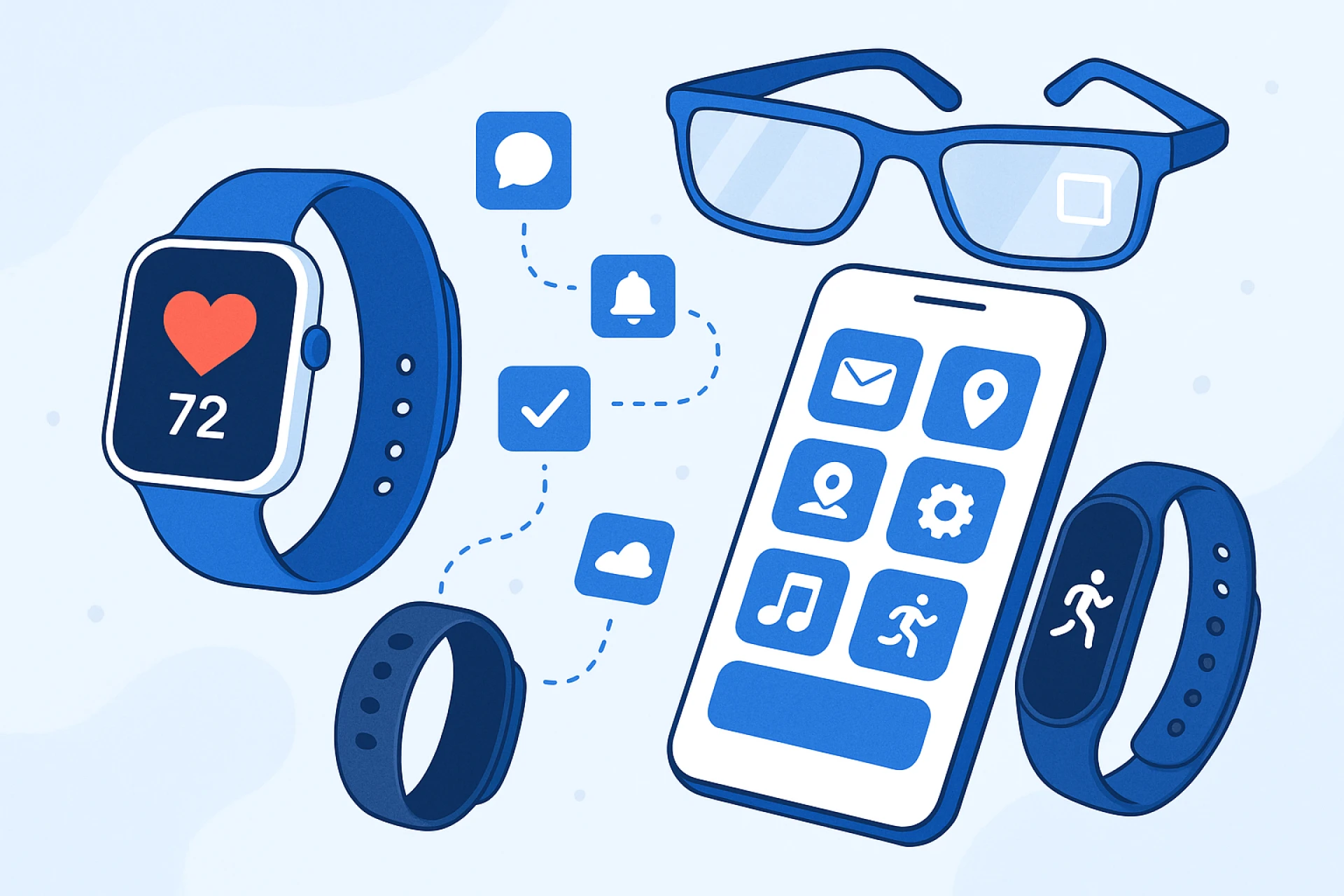

The mobile app ecosystem is undergoing a dramatic transformation, thanks in large part to the rapid rise of wearable technology. From smartwatches and fitness trackers to augmented reality glasses and biometric clothing, wearables are not just adding convenience, they're redefining how users interact with digital platforms. For any forward-thinking mobile app development company, this evolution presents both exciting opportunities and complex challenges.
In this article, we'll explore how wearable technology is driving the future of mobile applications, examine the implications for developers, and highlight strategies that companies can adopt to stay ahead in this rapidly changing landscape.
The Rise of Wearable Technology
Wearable technology has moved far beyond novelty. According to industry reports, the global wearables market is expected to surpass $100 billion by 2026. Devices like the Apple Watch, Fitbit, Samsung Galaxy Watch, and even smart rings have become mainstream, offering users features like real-time health monitoring, GPS tracking, communication tools, and more.
These innovations have fundamentally altered the way consumers use technology in their daily lives. Rather than pulling out a smartphone, users can glance at their wrists or speak a command to interact with their favorite services. This shift demands that mobile applications be reimagined for smaller screens, voice commands, and continuous connectivity.
Implications for Mobile App Development
For a mobile app development company, the rise of wearables means rethinking app architecture and user experience from the ground up. Here are a few key considerations:
1. User Interface (UI) Design
Wearables have limited screen space. This constraint requires app developers to adopt minimalist, efficient UI designs. Information must be displayed clearly and concisely, using large icons and simple navigation structures. Gesture-based controls and voice interactions are also becoming increasingly important.
2. Cross-Platform Integration
Wearables typically work in tandem with smartphones. As a result, developers must ensure seamless data syncing and communication between devices. APIs and Bluetooth Low Energy (BLE) protocols play a crucial role in enabling this interoperability.
3. Real-Time Data Processing
Many wearable apps involve continuous data monitoring, think heart rate, steps, or sleep cycles. Mobile applications must process this data in real-time, offering instant feedback or alerts. This requirement adds a layer of complexity to app development, particularly around data storage, battery optimization, and performance.
4. Privacy and Security
Given the sensitive nature of the data collected by wearables, security becomes paramount. A reputable mobile app development company must prioritize end-to-end encryption, secure APIs, and compliance with privacy regulations like GDPR and HIPAA.
5. Battery Efficiency
Wearable devices are limited by smaller batteries. This constraint necessitates lightweight applications that are optimized for power consumption without compromising functionality.
The Expanding Scope of Wearable Applications
The influence of wearable tech on mobile apps spans across various industries. Here’s a look at some notable examples:
Healthcare and Fitness
Wearables have revolutionized how we monitor health. From tracking heart rate and calories to detecting arrhythmias and sleep apnea, these devices enable preventive care and real-time medical interventions. Mobile apps complement this by providing dashboards, alerts, and data sharing with healthcare providers.
Retail and E-Commerce
Retailers are leveraging wearables for personalized shopping experiences. For instance, apps can notify users of promotions when they walk into a store or offer AR-based try-on experiences using smart glasses. This integration boosts engagement and conversion rates.
Finance and Payments
Smartwatches now offer tap-to-pay features, enabling frictionless transactions. A mobile app development company must ensure secure and intuitive interfaces for these financial operations, maintaining trust and compliance.
Travel and Navigation
Wearables are becoming indispensable for travel. They can guide users through city streets, airports, or hiking trails using haptic feedback or voice commands. Mobile apps that integrate with GPS and local data sources can enrich these experiences.
Workplace Productivity
In sectors like logistics and manufacturing, wearable tech can improve efficiency. Smart glasses can display real-time instructions or data, reducing the need for handheld devices. Integrating such capabilities into mobile apps enhances workplace safety and productivity.
Strategies for App Developers and Companies
To harness the potential of wearables, a mobile app development company should adopt the following strategies:
1. Adopt a Mobile-First and Wearable-Ready Approach
Design applications that are first optimized for mobile, then extended to wearables. Consider how each feature will translate across form factors, ensuring continuity of experience.
2. Leverage AI and Machine Learning
Wearables generate massive amounts of data. Integrating AI can help identify patterns, offer predictive analytics, and create smarter user interactions. For example, an AI-enabled fitness app can suggest personalized workouts based on user trends.
3. Invest in Voice and Gesture Control
As screens get smaller, traditional inputs become less practical. Voice assistants and gesture recognition should be central to app interaction models.
4. Ensure Scalability and Modularity
Build applications with modular architecture so they can be easily updated or extended to new wearable platforms as they emerge. This future-proofs the app and reduces long-term development costs.
5. Collaborate with Hardware Manufacturers
Close collaboration with wearable device manufacturers allows app developers to access proprietary SDKs and tools, optimizing app performance and unlocking exclusive features.
The Road Ahead
As wearable technology continues to evolve, its impact on mobile applications will only deepen. The fusion of IoT, AI, and next-gen hardware will create more immersive, intuitive, and intelligent experiences.
For any mobile app development company, staying relevant will require agility, innovation, and a keen understanding of user behavior. The companies that can anticipate trends and pivot quickly will not only survive, they’ll lead the next wave of digital transformation.
Final Thoughts
Wearables aren’t just accessories, they’re becoming primary access points to the digital world. As they integrate further into our daily routines, the demand for wearable-compatible apps will skyrocket. For developers and businesses alike, the message is clear: the future of mobile apps is on your wrist, in your glasses, and woven into your clothes. Embrace it now, or risk falling behind.
Whether you're a startup or an enterprise, partnering with a forward-looking mobile app development company is the key to unlocking this new frontier. The revolution is here, are you ready to build for it?











Sign in to leave a comment.