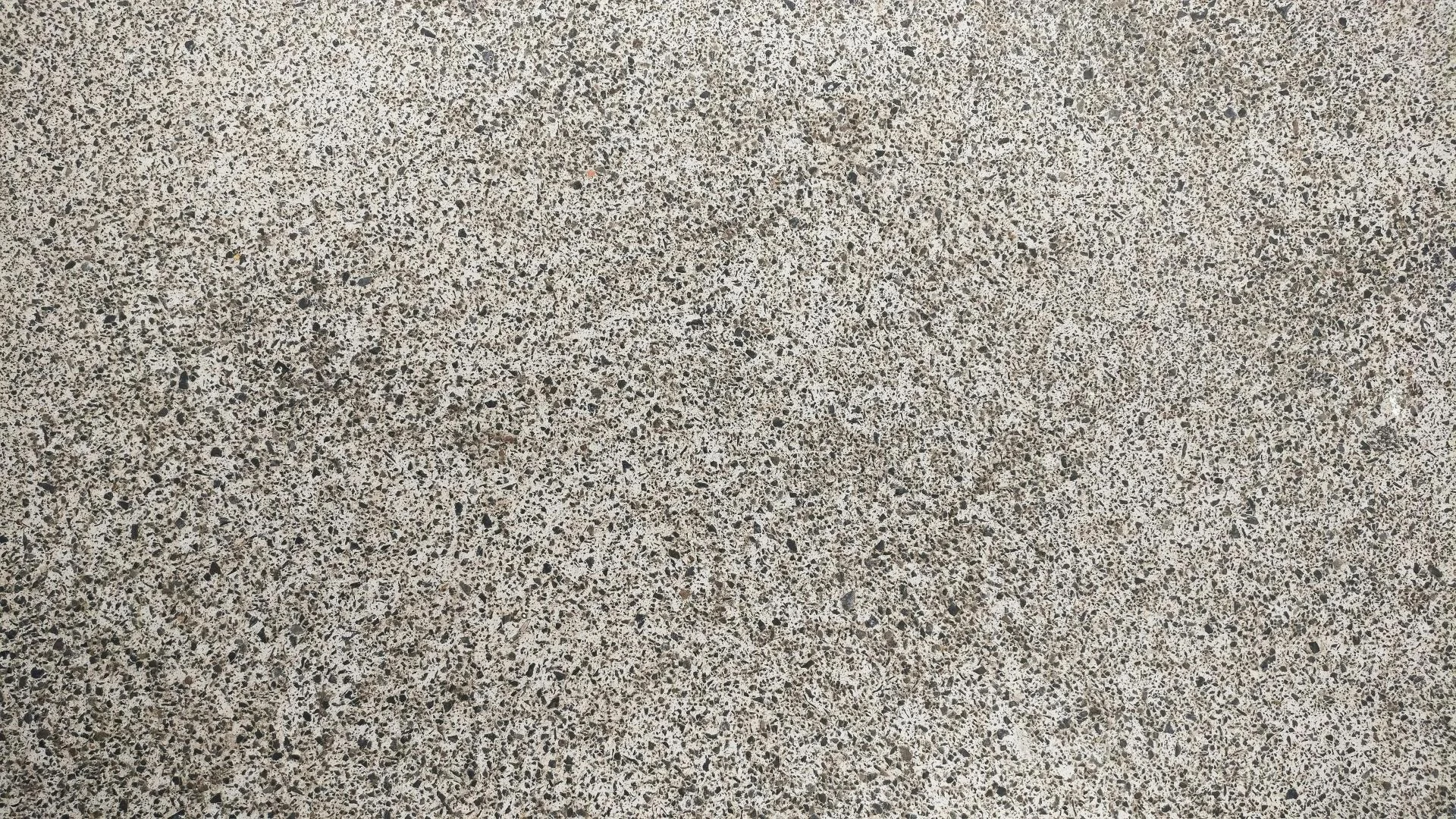

Denver, Colorado, is known for its scenic beauty, high elevation, and unpredictable weather. From hot summer days to freezing winters and everything in between, Denver’s climate can be tough—not just on people, but also on concrete floors. Whether it’s a commercial facility, residential garage, or basement floor, concrete surfaces in Denver take a beating throughout the year. Fortunately, concrete polishing offers a durable and visually appealing solution to combat the effects of Denver’s weather extremes.
In this article, we’ll explore how Denver’s climate impacts concrete flooring and how polishing can help protect your investment while enhancing the appearance and functionality of your space.
The Impact of Denver’s Climate on Concrete Floors
1. Freeze-Thaw Cycles
One of the biggest threats to concrete in Denver is the freeze-thaw cycle. During winter, temperatures frequently drop below freezing, especially at night, only to warm back up during the day. When moisture seeps into concrete and freezes, it expands, creating internal pressure that can lead to cracks, surface spalling, and deterioration over time. This constant expansion and contraction weakens the concrete's structural integrity.
2. Moisture Penetration
Although Denver has relatively low humidity compared to coastal regions, moisture issues can still occur, particularly in basements and garages. Rain, snowmelt, and groundwater can find their way into unsealed or porous concrete. Over time, this can cause staining, efflorescence (white salt deposits), and microbial growth like mold or mildew.
3. UV Exposure and Temperature Fluctuations
Denver's high elevation means stronger UV exposure, which can degrade unprotected concrete surfaces, especially those outdoors. Combined with wide temperature fluctuations—from hot, dry summers to cold, snowy winters—these elements can cause concrete to fade, discolor, or develop surface weaknesses.
4. Deicing Chemicals and Road Salts
During the winter months, many Denver residents use salt or chemical deicers to keep driveways and walkways clear. While effective for safety, these substances are harmful to untreated concrete, accelerating surface damage and corrosion, especially near entrances and in garages.
How Concrete Polishing Helps
Concrete polishing is more than just a cosmetic upgrade—it’s a protective treatment that enhances both the appearance and performance of your concrete floor. Here’s how it addresses Denver’s climate-related challenges:
1. Seals the Surface Against Moisture and Contaminants
Polished concrete undergoes a densification and sealing process that closes the pores in the surface. This makes it far less susceptible to moisture intrusion, spills, or chemical penetration. With a polished surface, you reduce the risk of freeze-thaw damage, staining, and microbial growth.
2. Improves Resistance to Cracking and Spalling
The mechanical grinding and densification process strengthens the concrete at a molecular level. This hardens the surface, making it more resistant to surface cracks and chipping caused by thermal expansion or impact from dropped tools and equipment.
3. Reflects Light and Resists UV Damage
Polished concrete reflects more light, reducing the need for artificial lighting indoors and offering a brighter, more energy-efficient space. Moreover, because it’s sealed and densified, polished concrete is less prone to UV-related discoloration, even in areas exposed to natural sunlight.
4. Withstands Chemicals and Road Salts
When properly sealed and maintained, polished concrete offers excellent resistance to common garage and driveway chemicals, including deicing salts, oil, and grease. This makes it ideal for Denver garages and entryways that often endure exposure to snow-melt runoff and vehicle traffic in the winter.
Ideal Areas for Polished Concrete in Denver Homes and Businesses
- Basements – Keep moisture and mold at bay while adding a sleek, modern finish.
- Garages – Improve durability and stain resistance with a tough, polished surface.
- Retail and Commercial Spaces – Reduce maintenance costs while maintaining a professional appearance.
- Warehouses – Boost light reflectivity and surface durability to withstand heavy use.
Cost-Effective and Long-Lasting
One of the greatest benefits of polished concrete is its low lifecycle cost. Unlike floor coverings that wear out or peel, polished concrete lasts for years with minimal maintenance. Routine cleaning and occasional resealing are often all that's needed, saving Denver homeowners and businesses money over time—especially in climates that challenge flooring longevity.
Conclusion
Denver’s weather can be unpredictable and unforgiving when it comes to untreated concrete. Between freeze-thaw cycles, UV exposure, and chemical damage, there are many factors working against bare concrete floors.
Whether you're a homeowner looking to upgrade your basement or a business owner needing a durable flooring solution, concrete polishing Denver professionals can help you create a weather-resistant, low-maintenance floor that stands the test of time.













Sign in to leave a comment.