

Real estate investment has traditionally been tied to geographic limits, regulatory barriers, and large capital requirements. For decades, investors interested in property markets outside their own countries faced complex legal procedures, high transaction costs, and restricted access to local investment opportunities. These limitations made international real estate investment accessible mainly to institutional investors or ultra-high-net-worth individuals.
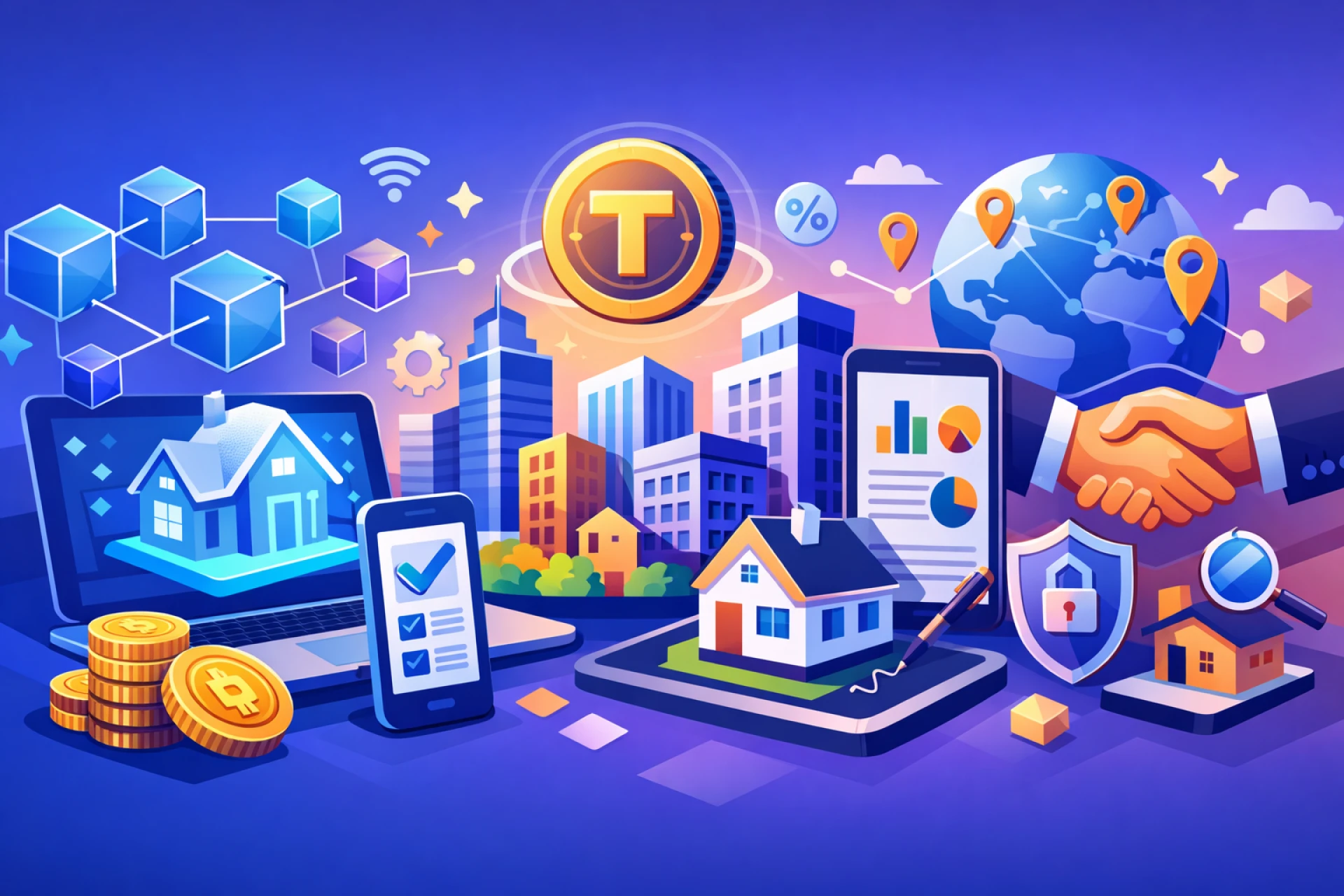
Blockchain-based tokenization has introduced a new model for digital property ownership. Through tokenization, real estate assets are converted into digital tokens recorded on a blockchain network. Each token represents a fractional share of ownership in a property, allowing investors to participate with smaller amounts of capital while maintaining verifiable ownership records.
Within this growing digital asset ecosystem, White Label Real Estate Tokenization has emerged as a practical option for businesses looking to launch tokenized property investment platforms. Instead of developing a blockchain infrastructure from scratch, organizations can deploy a ready-made solution that supports token creation, investor management, compliance mechanisms, and digital asset trading.
White Label Real Estate Tokenization Development is gradually changing how real estate investment platforms operate across international markets. By removing technical and operational barriers, this model allows companies to introduce property investment opportunities to global investors with fewer limitations related to geography or capital requirements.
This article examines how White Label Real Estate Tokenization Platform Development contributes to borderless real estate investment, the technologies involved, the business advantages it offers, and the role it may play in the future of property markets.
Understanding Real Estate Tokenization
Real estate tokenization refers to the process of converting property ownership rights into digital tokens recorded on a blockchain ledger. These tokens represent fractional ownership in physical assets such as residential properties, commercial buildings, hotels, or land.
Instead of purchasing an entire property, investors can acquire a portion of the asset through tokens that correspond to ownership shares. Each token holder may receive a portion of rental income, profit from asset appreciation, or other financial benefits associated with the property.
Tokenization involves several stages including asset evaluation, legal structuring, token creation, compliance verification, and investor onboarding. Blockchain networks maintain transaction records, which reduces reliance on traditional paper-based documentation.
Real estate tokenization introduces several advantages when compared with conventional property investment models:
- Fractional ownership opportunities
- Digital asset transfer mechanisms
- Reduced dependency on intermediaries
- Greater access to international investors
- Faster settlement processes
While the concept of tokenized real estate is still developing in many jurisdictions, the technology has already attracted interest from property developers, asset managers, fintech companies, and investment platforms.
However, creating a tokenization platform from the ground up involves complex technical development, blockchain integration, and compliance frameworks. This is where White Label Tokenization Platform solutions enter the picture.
What Is a White Label Real Estate Tokenization Platform?
A White Label Real Estate Tokenization Platform refers to a ready-made blockchain-based infrastructure that businesses can rebrand and deploy as their own tokenized real estate investment marketplace.
Instead of designing a blockchain architecture from scratch, companies can adopt an existing platform developed by specialized providers. This approach significantly reduces development time, technical risk, and operational complexity.
White Label Real Estate Tokenization Services usually include several components required for launching and operating a digital real estate investment platform:
- Property tokenization tools
- Investor onboarding modules
- Smart contract integration
- Digital wallet support
- Asset management dashboards
- Compliance and KYC verification systems
- Token trading or exchange features
Through White Label Real Estate Tokenization Platform Development, businesses can focus on asset acquisition, investor relations, and market expansion while the underlying infrastructure handles blockchain transactions and token management.
For organizations aiming to attract global investors, this model provides a foundation for building a borderless real estate investment environment.
The Concept of Borderless Real Estate Investment
Borderless real estate investment refers to a model in which investors from different countries can participate in property markets without the traditional limitations imposed by location, banking restrictions, or administrative procedures.
Historically, purchasing property abroad required multiple steps including international bank transfers, legal verification, currency exchange management, and physical documentation processes. These procedures often discouraged cross-border investors.
Tokenization platforms supported by blockchain technology reduce several of these obstacles. Digital tokens can be transferred through blockchain networks, and ownership records remain accessible through distributed ledgers.
With White Label Real Estate Tokenization Platform solutions, property investment platforms can present tokenized assets to investors located in different parts of the world. Investors can purchase fractional shares digitally without traveling to the property location or managing complex property registration procedures.
Although regulatory frameworks still differ across countries, the tokenization model introduces a digital infrastructure that supports international participation in real estate investment.
Methods Through Which White Label Real Estate Tokenization Development Encourages Borderless Investment
Digital Fractional Ownership Models
One of the primary methods through which White Label Real Estate Tokenization Development supports global investment is fractional ownership. Tokenized assets are divided into thousands or even millions of digital units. Each unit represents a small percentage of ownership in a property.
This approach reduces the entry barrier for investors. Instead of purchasing an entire commercial building or residential property, individuals can participate with smaller financial contributions.
For investors located in different countries, fractional ownership provides a practical method for diversifying their investment portfolios without requiring large capital commitments.
The White Label Real Estate Tokenization Platform manages token distribution, ownership records, and investor transactions through blockchain-based smart contracts.
Blockchain-Based Ownership Records
Ownership verification is a critical aspect of property investment. Traditional systems rely on government land registries, paper documentation, and intermediaries such as lawyers and brokers.
In tokenized environments, blockchain networks maintain digital records of token ownership. Each transaction involving a token is recorded on the distributed ledger, which provides a verifiable transaction history.
White Label Real Estate Tokenization Services typically integrate blockchain networks such as Ethereum or similar infrastructures that support smart contracts. These networks record property token transactions and maintain investor ownership records.
For international investors, blockchain-based ownership verification reduces dependency on local intermediaries while offering a consistent record of asset transactions.
Smart Contract-Based Asset Distribution
Smart contracts are automated programs stored on blockchain networks. These programs execute predefined conditions once certain requirements are met.
In real estate tokenization platforms, smart contracts may manage processes such as:
- Token distribution during asset launches
- Dividend or rental income allocation
- Ownership transfers
- Compliance verification procedures
White Label Real Estate Tokenization Platform Development often includes pre-integrated smart contract frameworks designed for property investment models.
Smart contracts can distribute rental income or profit shares to token holders based on their ownership percentage. Investors located in different countries can receive digital payments through blockchain transactions without relying on traditional banking intermediaries.
Global Investor Access Through Digital Platforms
Real estate investment platforms supported by White Label Tokenization Platform infrastructure typically operate as web-based or mobile-based marketplaces. Investors can browse available properties, review investment documents, and purchase tokens through digital interfaces.
Investor onboarding systems integrated within White Label Real Estate Tokenization Services may include identity verification procedures such as KYC and AML checks.
Once verified, investors can participate in property token offerings from various regions. This digital accessibility reduces the geographic limitations that once restricted real estate investment to local markets.
Property developers and asset managers benefit from this approach by presenting investment opportunities to a much wider investor base.
Secondary Market Token Trading
Another important aspect of borderless real estate investment involves liquidity. Traditional real estate transactions often require months to complete and involve significant legal documentation.
Tokenized property assets may allow token holders to trade their ownership shares through secondary marketplaces. These marketplaces function similarly to digital asset exchanges where tokens representing property shares can be transferred between investors.
White Label Real Estate Tokenization Platform Development may include secondary trading functionality or integration with digital asset exchanges.
Secondary trading introduces an additional layer of accessibility for international investors, allowing them to buy or sell fractional property shares without waiting for full property liquidation.
Compliance Integration Across Jurisdictions
International investment platforms must address regulatory requirements across multiple regions. Compliance frameworks typically include investor verification, transaction monitoring, and reporting procedures.
White Label Real Estate Tokenization Services often incorporate compliance modules designed to support regional regulations. These modules may include identity verification tools, accreditation checks for investors, and automated documentation management.
While legal frameworks differ globally, these compliance mechanisms allow tokenized property platforms to operate in accordance with regional financial regulations.
By integrating compliance tools within the platform infrastructure, businesses launching tokenized real estate marketplaces can maintain regulatory oversight while inviting investors from different jurisdictions.
Benefits for Property Developers and Real Estate Companies
White Label Real Estate Tokenization Development presents several operational and financial advantages for property developers, real estate firms, and investment platforms.
Access to a Global Investor Base
Traditional property investments rely heavily on local buyers or regional investment groups. Tokenized platforms expand access to investors located in different countries.
This broader investor pool can increase funding opportunities for real estate development projects.
Reduced Development Complexity
Developing blockchain infrastructure internally requires specialized expertise in smart contracts, blockchain architecture, digital wallets, and cybersecurity. White Label Tokenization Platform solutions reduce this technical burden by offering a ready-to-deploy infrastructure.
Companies can focus on asset acquisition and investor engagement while the platform provider manages technical components.
Faster Platform Deployment
Building a tokenization platform from the ground up can take several months or even years depending on complexity. White Label Real Estate Tokenization Platform Development allows companies to launch investment platforms more quickly by adopting pre-developed frameworks.
Portfolio Diversification Opportunities
Investors using tokenized platforms can allocate funds across multiple properties located in different regions. This diversification potential appeals to investors seeking exposure to global real estate markets.
Challenges in Borderless Real Estate Tokenization
Despite its potential, real estate tokenization still faces several challenges.
Regulatory Variation
Different countries maintain unique regulations regarding digital assets, securities, and property ownership. Platforms must carefully align with these regulatory requirements to avoid legal complications.
Investor Awareness
Tokenized real estate remains a relatively new concept for many investors. Education and awareness initiatives are necessary for building trust and encouraging participation.
Asset Valuation and Verification
Proper property evaluation and documentation remain essential for tokenized investment platforms. Investors must have access to reliable information about the assets represented by digital tokens.
Technology Security
Blockchain infrastructure offers high levels of security, yet digital platforms must still implement strong cybersecurity practices to protect investor accounts and digital wallets.
The Growing Interest in Tokenized Property Markets
Interest in tokenized real estate continues to grow as blockchain adoption expands across financial services. Venture capital firms, fintech companies, and real estate investment groups are experimenting with tokenized property marketplaces.
Several pilot projects around the world have demonstrated the potential for fractional real estate ownership through blockchain-based tokens. As regulatory clarity improves and investor awareness increases, tokenization platforms may become more widely accepted within property investment ecosystems.
White Label Real Estate Tokenization Platform Development contributes to this momentum by providing accessible infrastructure for businesses interested in launching digital real estate marketplaces.
Future Outlook for Borderless Real Estate Investment
Over the coming years, blockchain-based property investment models may continue to gain attention from both institutional and retail investors. Digital tokenization introduces a method for presenting property ownership as transferable digital assets.
White Label Real Estate Tokenization Services allow companies to participate in this emerging market without developing complex infrastructure independently.
As more property assets become tokenized, global investors may find it easier to allocate funds across international property markets through digital platforms. Improvements in regulatory frameworks, investor protection measures, and blockchain technologies may further support the growth of tokenized real estate investment.
Conclusion
The global real estate sector has long faced barriers related to geographic limitations, capital requirements, and complex transaction processes. Blockchain tokenization introduces a digital method for representing property ownership through fractionalized tokens.
White Label Real Estate Tokenization Development offers businesses a practical path to launch tokenized property investment platforms without undertaking complex infrastructure development. These platforms provide digital marketplaces where investors from different regions can participate in property investments.
Through fractional ownership models, blockchain-based ownership records, smart contract distribution mechanisms, and online investment interfaces, White Label Real Estate Tokenization Platform solutions contribute to a more accessible real estate investment landscape.
While regulatory challenges and investor education remain important considerations, tokenized real estate platforms supported by White Label Tokenization Platform infrastructure represent a significant shift in how property assets may be traded and managed in the coming years.
Borderless real estate investment is gradually moving from concept to reality as blockchain-based tokenization platforms continue to evolve within global financial markets.













Sign in to leave a comment.