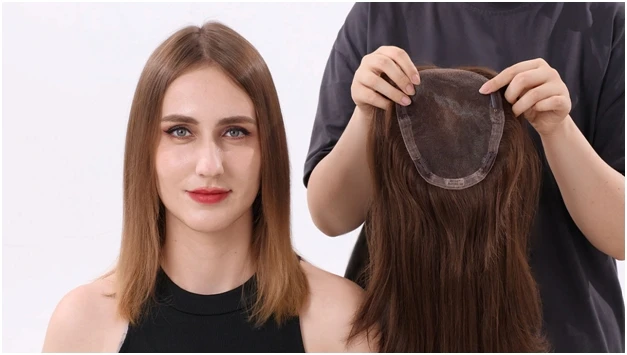

Human hair wigs are a game-changer. They give you confidence, style, and flexibility. But here's the truth: wigs don't take care of themselves.
Unlike natural hair, wigs don't get oil from the scalp. That means they dry out faster and wear down if not handled properly.
The good news? With the right care, your wig can last for months or even years. Let's discuss real wig maintenance routines. These tips come straight from wig wearers who've learned what works—and what doesn't.
Check out how to care for a human hair wig at home in detail.
How Often Should You Wash a Human Hair Wig?
This is one of the most common questions. And the answer isn't "every week" or "after every wear." The answer is: it depends.
1. Daily wearers often wash once a week.
2. Occasional wearers stretch washes to every 2–3 weeks.
3. Collectors who rotate multiple wigs may only wash once a month.
Why not wash more? Because too much washing strips moisture, loosens knots, and weakens the hair.
One wig user said it best: "I've had my favorite wig for 2 years. I've washed it only 12 times. It still looks great. "
Think about that. Washing less actually extends the life of your wig.
Shampoo or No Shampoo?
This part sparks debate.
Some wig owners barely touch shampoo. They only co-wash, which means washing with conditioner instead. Others use shampoo, but very carefully.
Here are the main approaches:
1. Minimal shampoo
i. Sulfate-free only.
ii. Used sparingly, maybe once a month.
iii. Helps remove buildup without drying the hair.
2. Co-wash routine
i. Skip shampoo altogether.
ii. Use two conditioners: one clarifying, one moisturizing.
iii. Add a silicone-based product if the hair feels extra dry.
3. Shampoo advocates
i. Wash wigs every 1–2 weeks.
ii. Use gentle formulas for color-treated hair.
iii. Always follow with conditioner.
The rule of thumb: the less product you use on your wig, the less often you need shampoo.
For a more detailed instruction on hair system wash, check out this blog post: How to Wash a Human Hair Wig in 6 Steps.
The Importance of Conditioning
If shampoo divides people, conditioner unites them. Everyone agrees: conditioning is key.
1. Deep condition every time. This restores softness and movement.
2. Leave it on long. Some let the conditioner sit for 20 minutes. Others leave it for an hour. A few even soak wigs overnight.
3. Use formulas that match your wig. Curly wigs love curl-specific conditioners. Color wigs need color-safe ones.
One Reddit user even microwaves their wig in conditioner for two minutes. Extreme? Yes. But it worked for them.
The point: human hair wigs survive and thrive with moisture.
Drying Your Wig the Right Way
Drying is a big deal. Do it wrong, and you can ruin the texture or loosen the knots.
Here's what works:
1. Air-dry first. Put your wig on a stand. Let it dry naturally.
2. Blow-dry only when needed. Wait until it's about 90% dry. Then finish with low heat.
3. Never rub with a towel. Instead, blot gently with a cotton towel.
4. Avoid high heat. It shortens the life of the hair.
Some people also style while the wig is on the dummy head. That makes curling or straightening easier.
Styling Without Stress
Human hair wigs are versatile. You can curl, straighten, or blow them out. But you need to protect them.
1. Use heat protectant. Spray a greaseless formula before styling.
2. Stick to low or medium heat. High heat damages the cuticle.
3. Go gentle with brushes. Wide-tooth combs are best, especially when hair is damp.
4. Add oils sparingly. Jojoba oil or lightweight serums work wonders. Focus on the ends.
And if your wig looks too shiny after styling? A little dry shampoo fixes that.
How to Keep Wigs Fresh Between Washes
This is where wig deodorant comes in. Yes, it's a thing. Special sprays keep wigs smelling clean without constant washing.
Other tricks:
1. Store wigs on stands, not stuffed in drawers.
2. Rotate wigs so one doesn't wear out faster than the others.
3. Oil lightly every few days. This mimics natural scalp oils.
If your wig doesn't smell, doesn't feel heavy, and still moves naturally, it doesn't need a wash.
Seasonal Wig Care
Seasons change, and so should your wig routine.
1. Summer – More sweat, more dirt. Wash every 2–3 weeks. Use light oils to avoid buildup.
2. Winter – Dry air sucks out moisture. Wash less, but condition more.
3. Work-from-home life – Wearing wigs less? Then you can stretch the time between washes even further.
Real Wig Routines (from Real People)
Here are a few routines people shared:
1. Weekly wearer: Washes once a week with Silicon Mix. Deep conditions. Let it air-dry. Add oil every few days.
2. Minimalist: Has had one wig for two years. Washed only 12 times. Uses conditioner more than shampoo. Hair still has body and shine.
3. Curly wig lover: Deep conditions curly wigs every wash with Garnier or Aussie. Keeps curls soft and bouncy.
4. Weekend washer: Turns wig care into a weekend ritual. Washes on Friday night. Styles Saturday. Uses dry shampoo during the week.
5. Experimenter: Soaks wigs in conditioner overnight. Even microwaves them. Results? Extra soft hair.
Different routines, but the same goal: longer-lasting, natural-looking wigs.
Mistakes to Avoid
Not all wig care tips are good ones. Some habits shorten a wig's life.
1. Over-washing. Makes wigs dry, brittle, and lifeless.
2. Skipping conditioner? Leaves wigs rough and frizzy.
3. Brushing when wet. Causes breakage. Always detangle before washing.
4. Using too much product. Leads to buildup. Less is more.
5. High heat styling. Weakens hair and knots.
Remember: wigs don't recover like natural hair. Once damaged, that's it.
A Simple Step-by-Step Routine
Want a clear plan? Try this:
1. Brush gently before washing. Removes tangles.
2. Wash only when needed. Use sulfate-free shampoo or co-wash.
3. Deep condition every time. Leave it on for at least 20 minutes.
4. Rinse with cool water. Seals the cuticle.
5. Pat dry with a cotton towel. Never rub.
6. Air-dry on a wig stand. Finish with low heat if needed.
7. Style with heat protectant. Keep the tools at medium heat.
8. Oil the ends lightly. Prevents dryness.
9. Store properly. On a stand, away from sunlight and dust.
Follow this, and your wig will last longer and look better.
Why Wig Maintenance Matters
Think of your human hair wig as an investment. These wigs aren't cheap. But if you care for them, they pay off.
A well-maintained wig:
1. Looks natural.
2. Feels soft.
3. Moves with your body.
4. Lasts for months or years instead of weeks.
Neglect it, and you'll be buying replacements far sooner than you want.
Final Thoughts
Human hair wigs can be low-maintenance or high-maintenance. It depends on how often you wear them, how you style them, and how you care for them.
But here's the bottom line: less washing, more conditioning, gentle styling, and proper storage will keep your wig in top shape.
Whether you're the type who has a wig care ritual every weekend or the type who washes only when absolutely necessary, the key is balance.
Treat your wig with the same respect you give your own hair—maybe even more. Do that, and your wig will stay soft, shiny, and natural-looking for a long time.











Sign in to leave a comment.