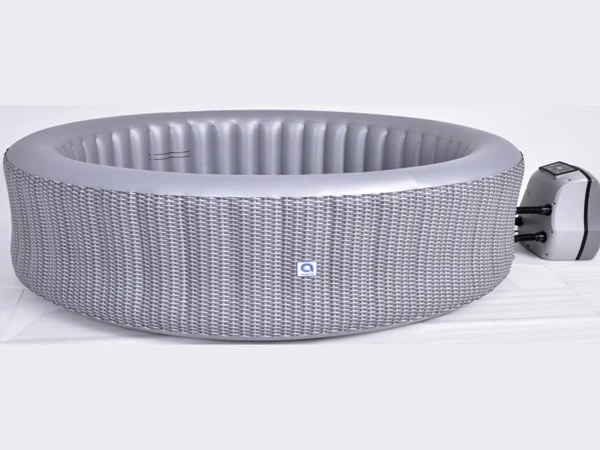

Injury recovery often involves a combination of rest, physical therapy, and alternative treatments. One increasingly popular and accessible method is hydrotherapy, and with the rise of inflatable hot tubs, more people are experiencing its benefits right in their own backyards. Once considered a luxury item, inflatable hot tubs are now a practical tool in many recovery routines. But how exactly do they help in injury rehabilitation?
What Is Hydrotherapy?
Hydrotherapy refers to the use of water for pain relief and treatment. This practice dates back centuries, used by ancient Greeks, Romans, and various Eastern traditions. Today, it’s commonly found in physical therapy clinics and rehabilitation centers—but modern technology has made it possible to enjoy many of its benefits at home.
The warm water, buoyancy, and pressure from jets found in hot tubs create a therapeutic environment that aids in healing. For people recovering from injuries like sprains, muscle strains, joint pain, or post-surgery stiffness, this kind of therapy can significantly improve recovery time and comfort.
Why Choose an Inflatable Hot Tub?
Inflatable hot tubs are affordable, portable, and easy to set up compared to traditional hard-shell models or built-in spas. While they may not have all the features of high-end tubs, many models include powerful jets, adjustable temperatures, and seating designed for comfort—all essential elements for hydrotherapy.
Here’s how inflatable hot tubs specifically aid in injury rehabilitation:
1. Pain Relief through Heat Therapy
Warm water helps increase blood circulation, which promotes healing and soothes sore muscles. The heat also helps reduce stiffness in joints and tissues, making it especially beneficial for people recovering from soft tissue injuries or conditions like arthritis. Inflatable hot tubs typically allow you to adjust the water temperature up to 104°F, making it easy to customize sessions based on your comfort and needs.
2. Muscle Relaxation and Reduced Spasms
After an injury, muscles often become tight and spasmodic as a protective response. The warmth and gentle massage from the jets help the muscles relax, reducing pain and preventing the development of secondary muscle tension. Regular use can enhance flexibility and make physical therapy sessions more effective.
3. Buoyancy for Low-Impact Recovery
One of the greatest advantages of water therapy is buoyancy. In water, your body is lighter, which reduces stress on joints, bones, and muscles. This allows you to perform gentle stretches and movements that would be painful or difficult on land. For those recovering from lower body injuries—like knee surgeries, sprained ankles, or hip replacements—this environment offers a safe space to regain range of motion without overloading the injury site.
4. Hydrostatic Pressure for Swelling Reduction
Water exerts a natural pressure on the body, known as hydrostatic pressure. This helps reduce swelling and improves lymphatic drainage—critical components of the healing process. Immersing the injured area in warm water can accelerate the removal of waste products from inflammation and promote faster tissue repair.
5. Mental and Emotional Benefits
Injury recovery is not just physical—it’s often emotionally challenging as well. The calming effects of warm water and the privacy of your own space help reduce stress and promote relaxation. Stress can exacerbate pain perception and slow recovery, so addressing emotional well-being is an essential part of holistic healing.
Best Practices for Safe Home Hydrotherapy
While inflatable hot tubs are effective for rehabilitation, it’s essential to use them safely:
- Consult a healthcare professional before starting hydrotherapy, especially if you have a serious injury, cardiovascular issues, or are recovering from surgery.
- Limit sessions to 15–30 minutes to prevent overheating.
- Stay hydrated, as hot water can increase sweating.
- Clean and maintain the hot tub regularly to avoid infections or skin irritations.
Conclusion
Inflatable hot tubs are more than a luxury—they're a therapeutic tool that brings the benefits of hydrotherapy into your home. Whether you're an athlete recovering from an injury, an older adult managing chronic pain, or simply someone looking to support overall wellness, the soothing effects of warm water can play a powerful role in your recovery journey. With the right approach and professional guidance, home hydrotherapy can be a safe, affordable, and highly effective addition to your rehabilitation toolkit.

Sign in to leave a comment.