

High blood pressure, also known as hypertension, is a serious condition that affects millions of people worldwide. It occurs when the force of blood against the walls of your arteries is consistently too high, potentially leading to severe health problems such as heart disease, stroke, and kidney damage. While medications are commonly prescribed to manage hypertension, there are also effective natural methods for controlling high blood pressure. This article explores how to manage high blood pressure naturally through lifestyle changes, diet, exercise, and stress reduction techniques.
1. Adopt a Heart-Healthy Diet
Diet plays a critical role in managing hypertension. The right foods can help lower blood pressure, while others can contribute to higher levels. Here are key dietary changes to incorporate:
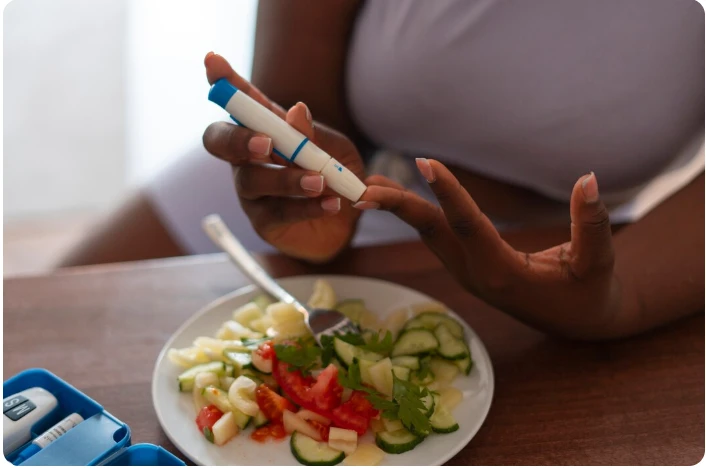
- Increase Your Intake of Fruits and Vegetables: Fruits and vegetables are rich in essential vitamins, minerals, and fiber. They are naturally low in calories and help maintain a healthy weight, which is crucial for managing blood pressure. Aim for at least 5 servings of fruits and vegetables a day, such as leafy greens, berries, bananas, and citrus fruits.
- Eat Foods Rich in Potassium: Potassium helps balance the negative effects of sodium and can help lower blood pressure. Foods high in potassium include bananas, potatoes, tomatoes, spinach, and beans.
- Reduce Salt Intake: Excessive sodium is one of the leading causes of high blood pressure. Reducing salt in your diet by limiting processed foods and avoiding adding extra salt to meals is essential for managing hypertension.
- Incorporate Whole Grains: Whole grains like oats, brown rice, and whole wheat bread contain fiber and essential nutrients that support heart health and help regulate blood pressure.
- Healthy Fats: Include sources of healthy fats like olive oil, avocados, and nuts. These fats can help reduce inflammation and support overall cardiovascular health.
2. Maintain a Healthy Weight
Being overweight or obese increases your risk of developing hypertension. Carrying extra weight puts additional strain on your heart and can cause an increase in blood pressure. Achieving and maintaining a healthy weight is one of the most effective ways to manage high blood pressure naturally.
- Set Realistic Weight Loss Goals: Even a modest weight loss of 5-10% of your body weight can have a significant impact on lowering blood pressure.
- Healthy Eating and Portion Control: Focus on balanced meals with proper portion sizes, including nutrient-rich foods that support weight loss.
- Track Your Progress: Monitoring your weight regularly can help you stay on track with your goals and motivate you to continue making healthier choices.
3. Regular Physical Activity
Exercise is one of the most effective natural ways to manage hypertension. It helps improve heart health, strengthen blood vessels, and reduce the factors that contribute to high blood pressure.
- Aerobic Exercises: Activities such as walking, jogging, swimming, and cycling are excellent choices for reducing blood pressure. Aim for at least 30 minutes of moderate-intensity aerobic exercise most days of the week.
- Strength Training: Incorporating strength training exercises, such as weight lifting or bodyweight exercises, two or more days a week can also help improve cardiovascular health and lower blood pressure over time.
- Stay Consistent: Regular exercise not only lowers blood pressure but also helps maintain a healthy weight, reduce stress, and boost overall health. Make exercise a consistent part of your daily routine for the best results.
4. Manage Stress Effectively
Chronic stress can contribute to high blood pressure by increasing levels of cortisol, the stress hormone, and causing blood vessels to constrict. Managing stress is essential for maintaining healthy blood pressure levels.
- Mindfulness and Meditation: Practices such as mindfulness and meditation help activate the body's relaxation response, lowering stress levels and promoting better heart health. Aim to meditate for at least 10-15 minutes each day.
- Breathing Exercises: Slow, deep breathing exercises can help relax your nervous system and lower blood pressure. Try breathing in deeply for 4 counts, holding for 4 counts, and exhaling for 4 counts. Repeat several times to calm the body and mind.
- Yoga and Tai Chi: These mind-body practices combine movement, breathing, and meditation, all of which have been shown to lower blood pressure. Incorporating yoga or Tai Chi into your routine can help manage hypertension naturally.
5. Limit Alcohol and Caffeine Intake
Excessive alcohol and caffeine consumption can raise blood pressure. While moderate alcohol intake may not have a significant effect on blood pressure, heavy drinking can contribute to hypertension.
- Alcohol: If you choose to drink, limit your intake to one drink per day for women and two drinks per day for men. Reducing alcohol intake can help prevent the worsening of high blood pressure.
- Caffeine: Caffeine can cause short-term spikes in blood pressure, especially in people who are sensitive to it. Limiting your intake of caffeinated beverages, such as coffee, tea, and energy drinks, can help manage blood pressure naturally..
6. Get Enough Sleep
Sleep is vital for overall health, and inadequate sleep can contribute to the development and progression of hypertension. Poor sleep patterns can lead to increased stress, weight gain, and higher blood pressure levels.
- Aim for 7-9 Hours of Sleep: Prioritize sleep by establishing a regular bedtime routine and aiming for 7-9 hours of quality sleep each night.
- Improve Sleep Quality: Creating a relaxing sleep environment by reducing light, noise, and electronic distractions can improve sleep quality and support better blood pressure management.
- Address Sleep Disorders: Conditions like sleep apnea can contribute to high blood pressure. If you suspect you have a sleep disorder, seek medical advice for proper diagnosis and treatment.
7. Herbal Remedies and Supplements
Certain herbs and supplements have been shown to support healthy blood pressure levels. However, it’s important to consult with your healthcare provider before starting any new supplement regimen, especially if you are on medication.
- Garlic: Garlic has been shown to help lower blood pressure by improving blood vessel function and reducing inflammation. Fresh garlic or garlic supplements may be beneficial for hypertension management.
- Omega-3 Fatty Acids: Found in fish oil and flaxseed, omega-3 fatty acids can help lower blood pressure by reducing inflammation and improving heart health.
- CoQ10 (Coenzyme Q10): This antioxidant may help lower blood pressure by improving blood vessel function. It’s available in supplement form and may be used to complement other hypertension treatments.
- Hibiscus Tea: Drinking hibiscus tea has been shown to lower blood pressure in some studies. It contains natural compounds that may help relax blood vessels and reduce hypertension.
8. Quit Smoking
Smoking is a major risk factor for high blood pressure and heart disease. The chemicals in tobacco damage blood vessels and increase the risk of hypertension. Quitting smoking can significantly improve your heart health and reduce blood pressure.
- Seek Support: Smoking cessation programs, counseling, and nicotine replacement therapies can help you quit smoking for good.
- Celebrate Milestones: Track your progress and celebrate small victories on your journey to quitting. The benefits of quitting smoking, such as improved blood pressure, are immediate and long-lasting.
Managing hypertension naturally is not only possible but can be highly effective when approached holistically. By making dietary changes, incorporating regular exercise, managing stress, and prioritizing other lifestyle factors, you can control your blood pressure and improve your overall health. Always consult with your healthcare provider before making significant changes to your treatment plan, especially if you are currently taking medication for hypertension. With the right approach, you can successfully manage high blood pressure and reduce your risk of related complications.
Remember, small changes can lead to big improvements in your health—take the first step toward managing your hypertension naturally today!













Sign in to leave a comment.