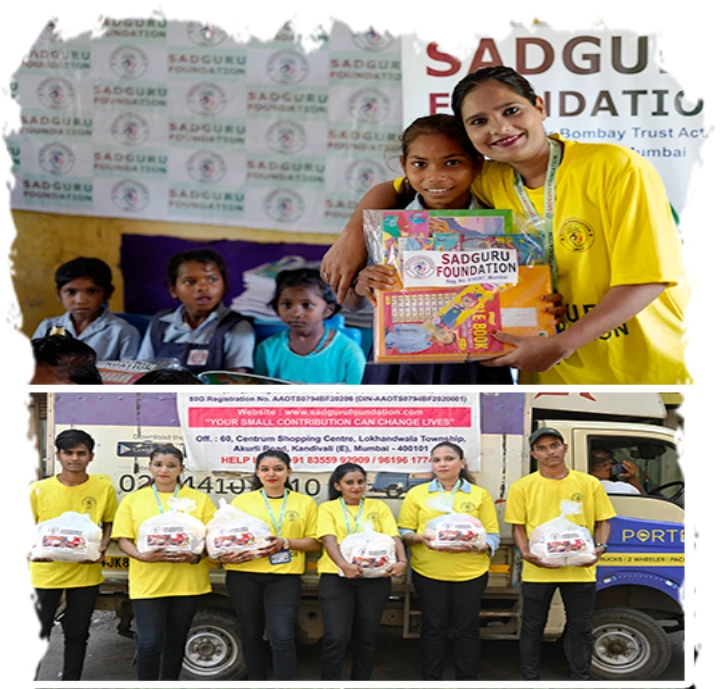

India has always been a land of diversity, culture, and strong community values. However, despite rapid development and economic growth, many sections of society still face challenges related to poverty, healthcare, education, and social equality. This is where an India NGO plays an important role in supporting communities and creating opportunities for people who need help the most. Non-governmental organizations work independently from the government and focus on addressing social issues through dedicated programs, awareness campaigns, and community support initiatives.
An NGO in India usually works in areas such as child welfare, women empowerment, elderly care, healthcare access, rural development, disaster relief, and education. These organizations are often driven by passionate individuals, volunteers, and social workers who believe in creating positive change in society. Their goal is not profit but social impact, which makes them an important pillar in the country's development journey.
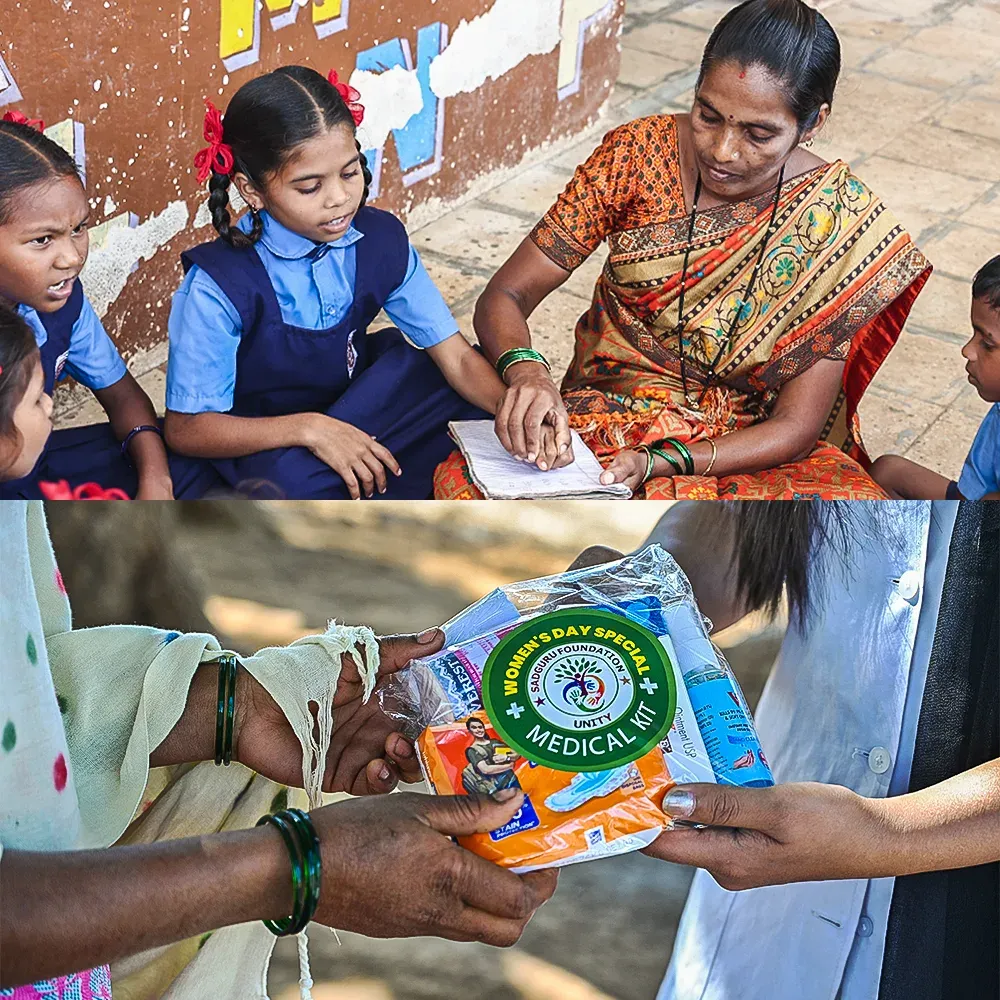
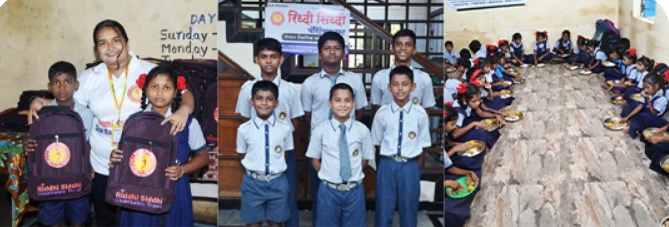
One of the most important contributions of NGOs is improving access to education for underprivileged children. In many rural and economically weaker regions, children struggle to attend school due to lack of resources. NGOs help by providing educational materials, organizing learning programs, supporting school infrastructure, and encouraging families to prioritize education. By focusing on literacy and skill development, these organizations empower the next generation to build a better future.
Healthcare support is another key area where NGOs make a difference. Many communities in remote or low-income areas lack access to proper medical facilities. NGOs often organize medical camps, health awareness drives, vaccination programs, and support services for people who cannot afford treatment. These efforts help improve the overall health and well-being of communities that might otherwise remain underserved.
Women empowerment is also a major focus for many NGOs in India. Through vocational training programs, self-help groups, and awareness initiatives, NGOs help women gain financial independence and confidence. Skill development programs such as tailoring, handicrafts, digital literacy, and entrepreneurship training enable women to contribute economically to their families and communities.
Another significant area of NGO involvement is elderly care. With changing family structures and urban migration, many senior citizens experience loneliness and lack of support. NGOs often provide shelter homes, healthcare assistance, emotional support programs, and community engagement activities to ensure elderly individuals live with dignity and respect.
Environmental protection has also become an important focus for NGOs in recent years. Organizations work on tree plantation drives, waste management awareness, water conservation programs, and community education about sustainable living. These initiatives encourage individuals and communities to take responsibility for protecting natural resources.
Disaster relief and humanitarian support are other areas where NGOs respond quickly during emergencies such as floods, earthquakes, or other crises. They help distribute food, clothing, medical supplies, and temporary shelter to affected families. Because NGOs often work directly with communities, they can respond quickly and efficiently during difficult times.
Volunteers play a crucial role in the success of NGO initiatives. People from different backgrounds contribute their time, knowledge, and skills to support social programs. Whether it is teaching children, assisting in medical camps, organizing awareness campaigns, or supporting community development activities, volunteer participation strengthens the impact of these organizations.
Transparency and accountability are also important aspects of NGO operations. Many organizations maintain proper documentation, reports, and impact assessments to ensure that resources are used effectively for social welfare activities. This helps build trust among donors, volunteers, and the communities they serve.
In conclusion, NGOs are an essential part of India’s social development ecosystem. By addressing critical issues such as education, healthcare, women empowerment, elderly support, and environmental protection, they help bridge gaps that often exist in society. Through dedication, community involvement, and sustainable initiatives, NGOs continue to create meaningful change and inspire people to contribute towards building a more compassionate and inclusive society.











Sign in to leave a comment.