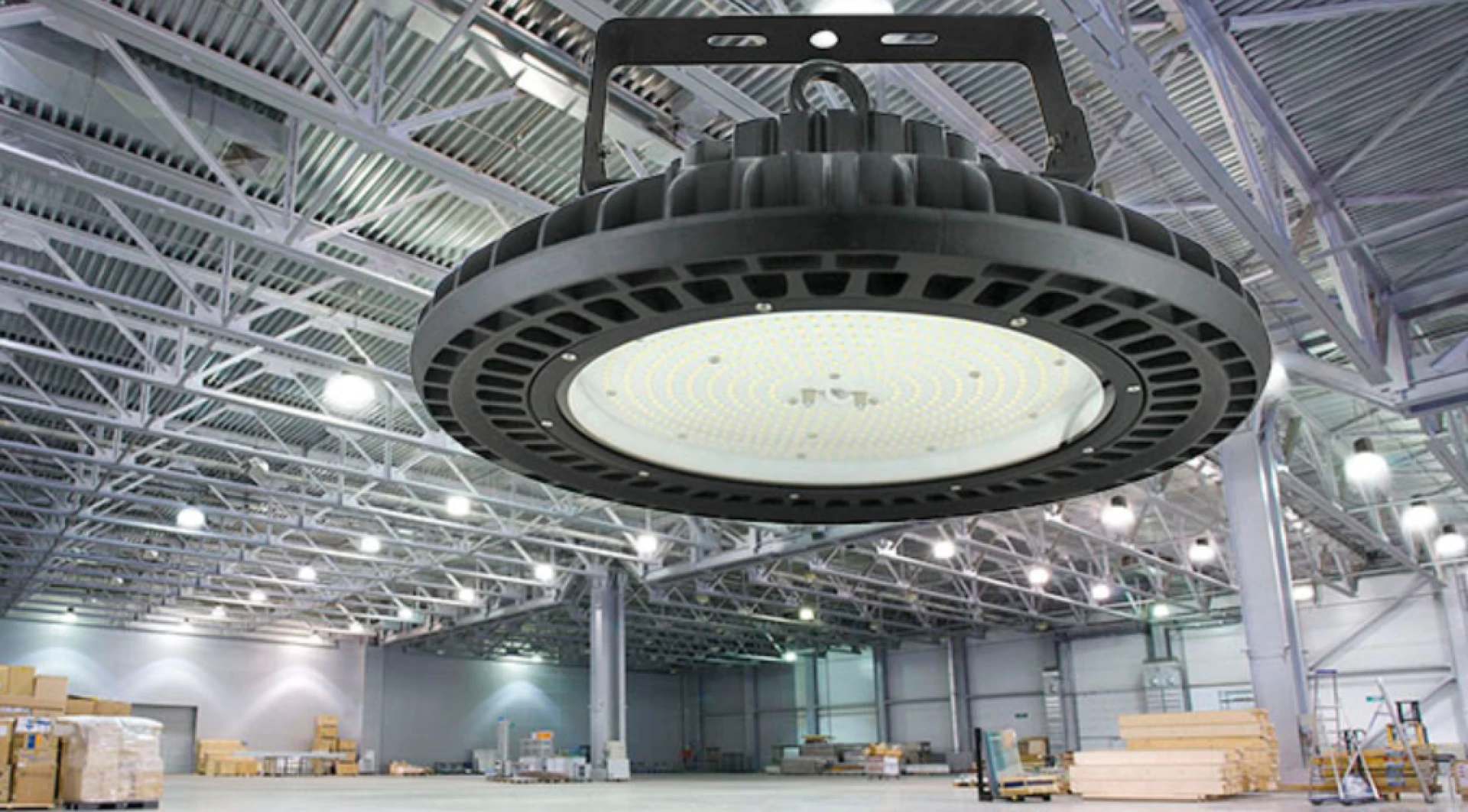

Energy bills don’t often leave room for surprises, yet lighting alone can eat up nearly a third of your electricity use, especially in industrial settings. High ceilings, long hours, and rough conditions mean lights are on longer and harder than in most buildings. That wear shows up in both your expenses and maintenance needs.
So, this blog looks at how industrial LED lights make a real difference. You’ll get a clearer picture of how they cut energy use, why they last longer, and what kind of return you can expect on the switch.
Why industrial setups demand better lighting
Factories, warehouses, and other large facilities have unique lighting needs. The old systems, like metal halide and high-pressure sodium, tend to run hot and burn out fast. That means frequent bulb changes and a lot of time spent on ladders.
Now think about how those same spaces run 24/7 or under harsh conditions like dust, heat, or moisture. Traditional lights just can’t keep up. That’s where LEDs shine. They use much less power, stay cool, and handle wear and tear without quitting early.
What makes industrial LED lights a smart switch
LEDs bring more than one benefit to the table. First, they use less electricity. A 150-watt LED can match the output of a 400-watt metal halide fixture, which means a smaller bill every month. Second, their lifespan often reaches 50,000 to 100,000 hours. That’s years of lighting before you even think about replacements.
You’ll also see fewer maintenance calls. LEDs don’t flicker, hum, or yellow over time like older lights. They start instantly, even in cold weather and keep a steady brightness. For facilities with tight schedules or limited downtime, that kind of reliability counts.
How to measure the return on your investment
Switching lighting systems sounds expensive upfront, but it pays off quicker than you might expect. The return depends on three things: how much power you save, how often you replace bulbs, and whether you qualify for rebates.
In many cases, businesses recover their full investment within two to three years. For example, replacing outdated fixtures in a 100,000-square-foot warehouse with energy-efficient LEDs cut power use by 60%.
Confusion
Lighting is getting smarter. Sensors, dimming features, and connected systems are becoming part of industrial upgrades. Industrial LED lights already support these features, so choosing them today sets you up for future tech.
And as energy rules shift and electricity rates rise, efficient lighting will be extremely helpful. Getting ahead now means fewer headaches later.













Sign in to leave a comment.