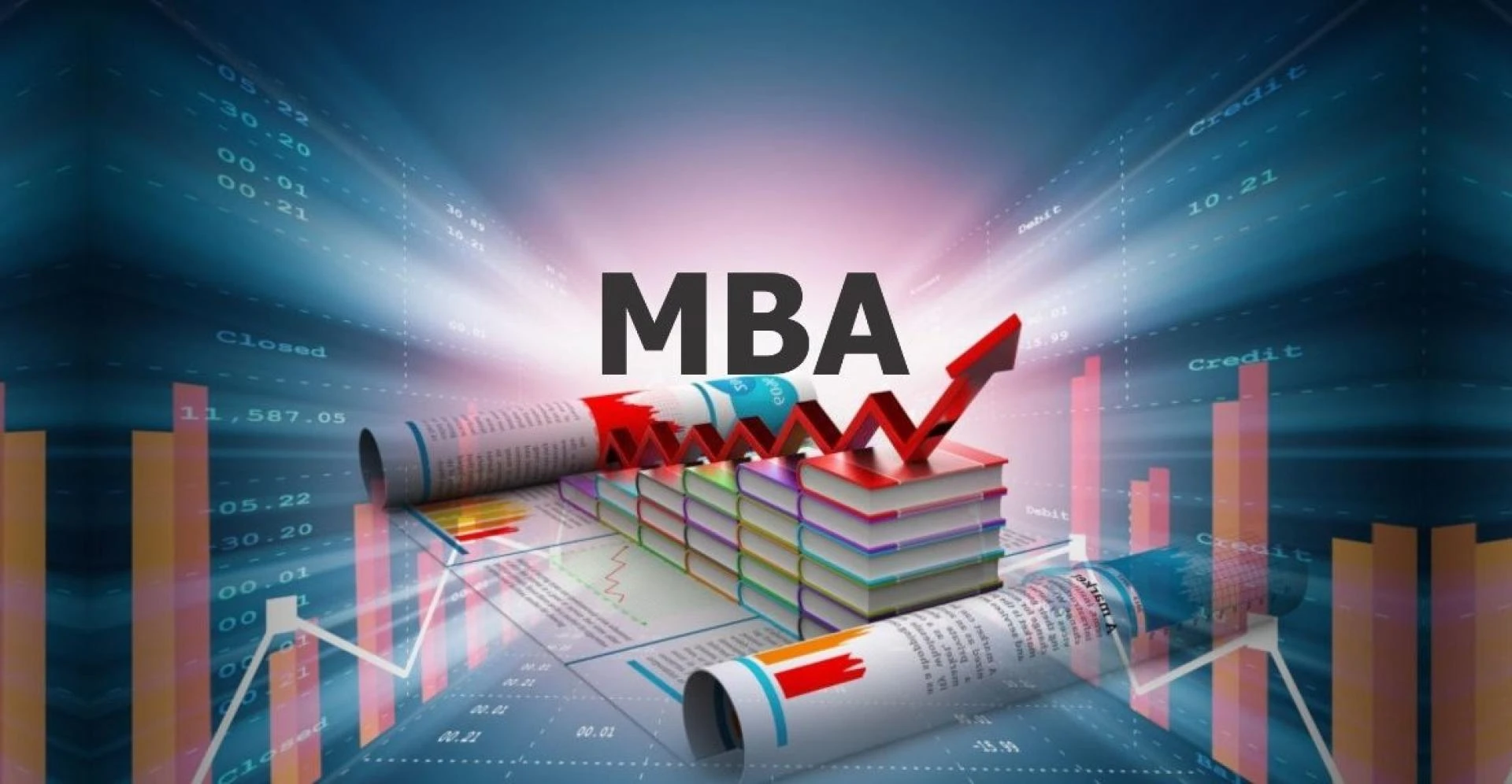

Management education in India is experiencing one of the biggest changes in decades. As industries change and global markets turn more rapidly than they ever had, even the best colleges for MBA are having to think twice about what they are teaching and how they are teaching it. The traditional formula of lectures, case studies, and end-term projects is being replaced with a more interesting, integrative, and future-centric model, which will prepare students to work in an economy that is data driven, innovative and flexible.
Why India’s MBA Education Model Needed an Overhaul
However, over the years, people have been complaining that MBA programs in India were too idealistic and not in touch with the realities of the modern business. Although they were able to establish robust bases in finance, marketing and operations, they tended to fall behind in terms of keeping up with high-speed technological and economic changes.
The most sought-after employees in the world today are professionals that are capable of making evidence-based decisions, lead cross-functional groups, and cope with the automation-driven workplace. This has compelled regulators as well as institutions to revisit management education at the very bottom level.
The All India Council of Technical Education (AICTE) and a few other major institutions have responded by making reforms that focus not only on academic knowledge, but also on the practical experience, digital literacy, and exposures of the world.
Technology and Information Age
The most easily evident alteration in the new MBA structure is the incorporation of technology in all specializations. The curriculum is being redesigned so that students know how data is used to make business decisions, whether it is marketing analytics, supply chain optimization, or human resource management.
The courses have shifted to teach the students how to read the data, visualize the data and predict the outcomes of their business challenges using predictive models. Digital transformation and business analytics have shifted off as optional electives and become fundamental elements. This transformation is representative of a greater fact technology is no longer something that engineers should be involved in. Any current manager needs to be a data strategist.
This assimilation is not confined to the theory in the classroom. Most institutions are also forming collaborations with technology-based organizations in order to develop so-called live labs, where students are tasked with solving real business problems using real company data. These programs find a way of bridging the academic and industrial worlds that enable learners to not only graduate knowing but also possess the relevant skills.
Global and Interdisciplinary Learning
Interdisciplinary and global exposure is one of the most promising features of such overhaul. The innovative framework promotes students to incorporate conventional business courses with other subjects such as psychology, public policy and environmental science.
This generalized practice resembles that of the contemporary business issues that are seldom narrowed down to one area. To illustrate, a marketing professional needs to learn the consumer behavior of behavioral economics and analytics, whereas leaders of supply chains need to think in the context of the sustainability and the cyclical economy.
Besides, exchange programs, global partnerships, online global classrooms are increasingly available. These experiences assist the students to achieve cross-cultural competence, which is a vital skill in both the multinational companies and start-ups.
Skill-Based testing vs.Theoretical testing
The most long overdue change would be in performance evaluation perhaps. Conventional MBA programs were highly based on written tests and memorization. The new model is based on ongoing assessment in terms of projects, simulations, and peer learning.
Capstone projects and internships have gained increased academic importance, with the focus being placed on the application as opposed to recall. The methodology will make sure that students not only know how to work with theories but also know how to apply them in unpredictable, rapidly changing conditions.
Social skills such as leadership, negotiation and conflict management are also being reevaluated. These are being learned in workshops and immersive learning experience simulation, which do not merely describe the dynamics in the workplace, but rather simulate it.
The Future of the Best Colleges for MBA
In their quest to remain relevant in 2026 and even beyond, institutions are now actively developing ecosystems that are both innovative and educational. They are recruiting faculty members who have experience in industry, revising course content on an annual basis and inviting students to undertake entrepreneurial activities along with their degrees.
The switch does not come easy- curriculum re-designs take time, cost and feedback loops of recruiters and alumni. Nevertheless, institutions that are quick to change are probably positioned to become leaders in the development of the future generation of business professionals.
Placement packages or alumni networks are no longer the best criteria used to determine which colleges are best in MBA. They are also being assessed more on the effectiveness they are doing in equipping students with a world where business, technology and ethics come together.
Conclusion
Management education system in India is changing its textbook-driven nature into experience-oriented and global competent. This change is an indicator of a larger reality, and that is that what matters most in business is not academic knowledge, but rather flexibility and innovation.
The changes that are being initiated in the country are not only a modernization of syllabus, but also a change of philosophy, one that is more concerned with the future, interdisciplinary, and responsible leadership. To students looking at the best colleges for NBA, this development indicates a more significant and transformative learning experience than they have ever seen.











Sign in to leave a comment.