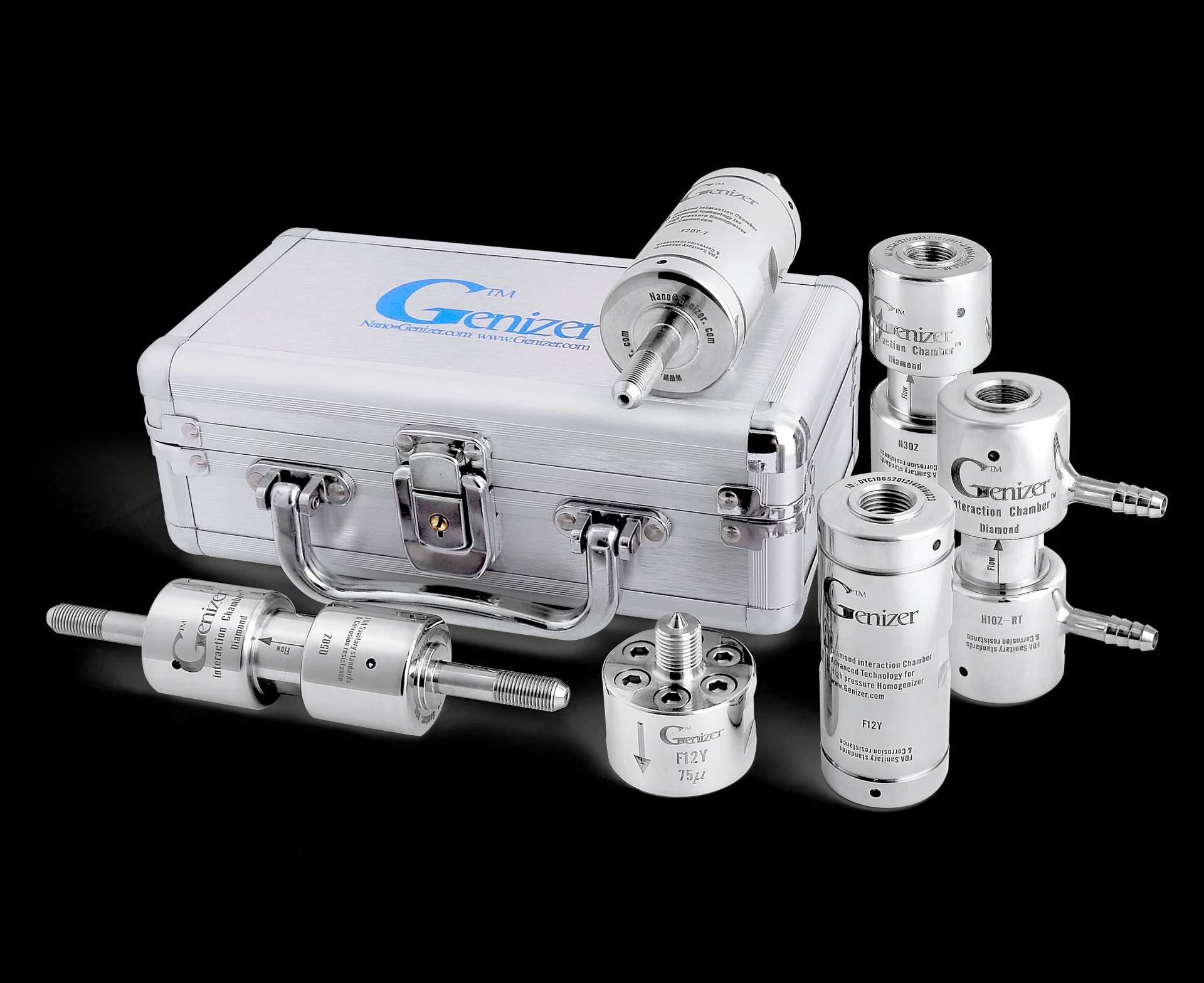

What’s an Interaction Chamber?
The interaction chamber is the heart of any high-pressure homogenizer. It’s where liquids get pushed through tiny microchannels under extreme pressure, creating powerful shear, cavitation, and impact forces. The result? Liquids and particles are broken down into ultra-fine, uniform, and stable nano-sized formulations. This makes interaction chambers essential for applications like liposome preparation, lipid nanoparticle (LNP) formulation, nanoemulsion production, protein homogenization, cell disruption, and nanomaterial dispersion.
How It Works
When liquid enters the chamber at high pressure, it speeds through narrow channels, hitting other streams or the chamber walls. These high-energy collisions break particles down, mix ingredients thoroughly, and produce consistent results every time. Unlike traditional homogenizers, the interaction chamber ensures every milliliter of fluid experiences the same precise energy, giving reproducible nanoemulsions and nanoparticles.
Where Interaction Chambers Are Used
These chambers are widely used in pharmaceutical, biopharmaceutical, cosmetic, food, and nanomaterial industries. Some of the main applications include:
- Nanoemulsions – Creating fine emulsions for cosmetics, food, nutraceuticals, and pharmaceuticals.
- Liposomes & LNPs – Making uniform lipid vesicles for drug delivery, vaccines, and gene therapy.
- Protein Homogenization – Stabilizing delicate or concentrated protein solutions.
- Cell Disruption – Breaking cells (bacteria, yeast, algae, mammalian) to extract enzymes, proteins, or prepare vaccines.
- Particle Size Reduction & Dispersion – Processing pigments, APIs, carbon nanotubes, ceramics, and polymers.
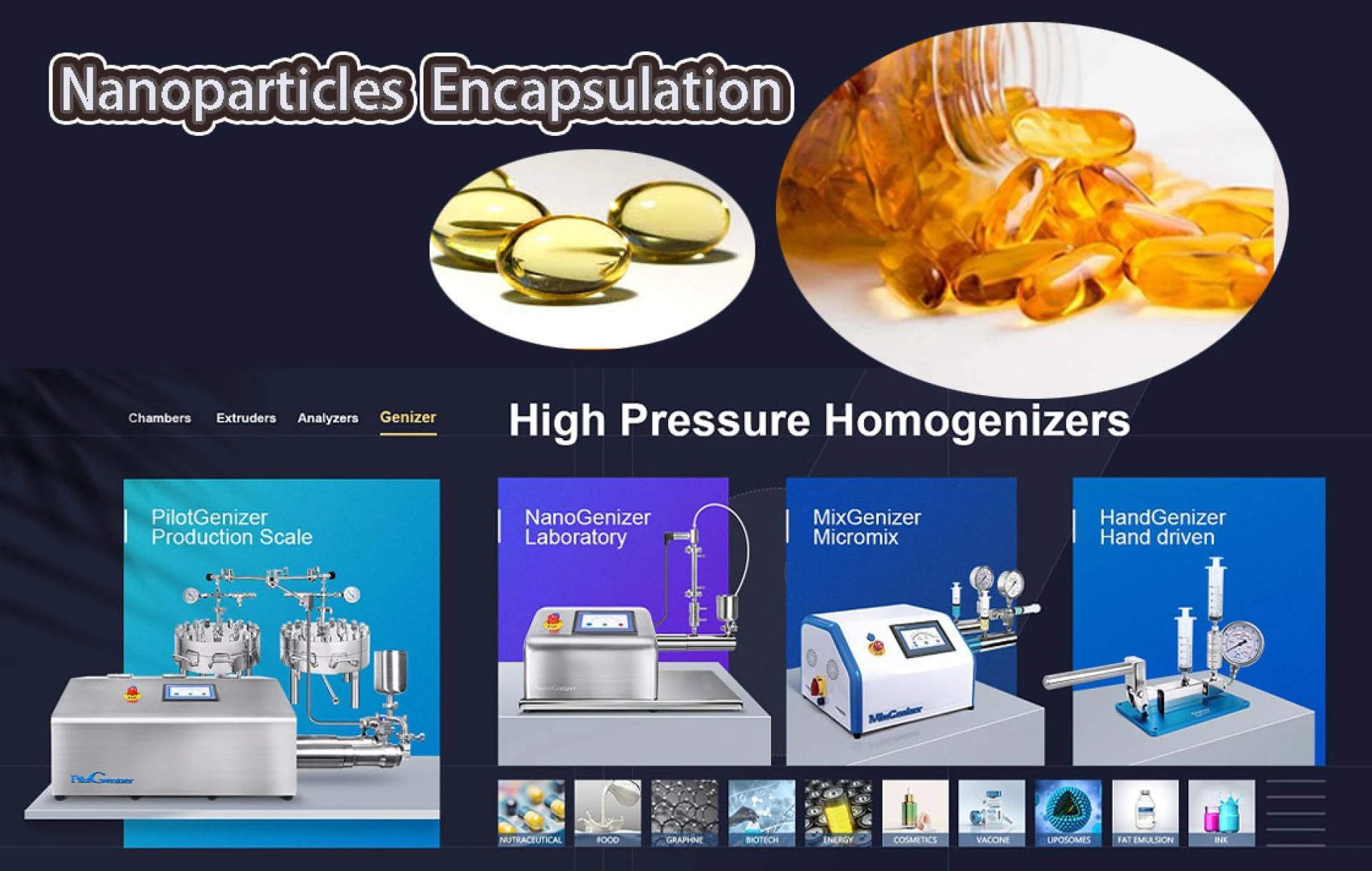
- Encapsulation & Coating – Encapsulating active ingredients, flavors, or nutraceuticals into stable carriers.
- Advanced Reaction Technology – High-shear controlled reactions for nanoparticle synthesis or microfluidic chemical reactions.
- High-Shear Blending – Mixing multi-phase liquids evenly and efficiently.
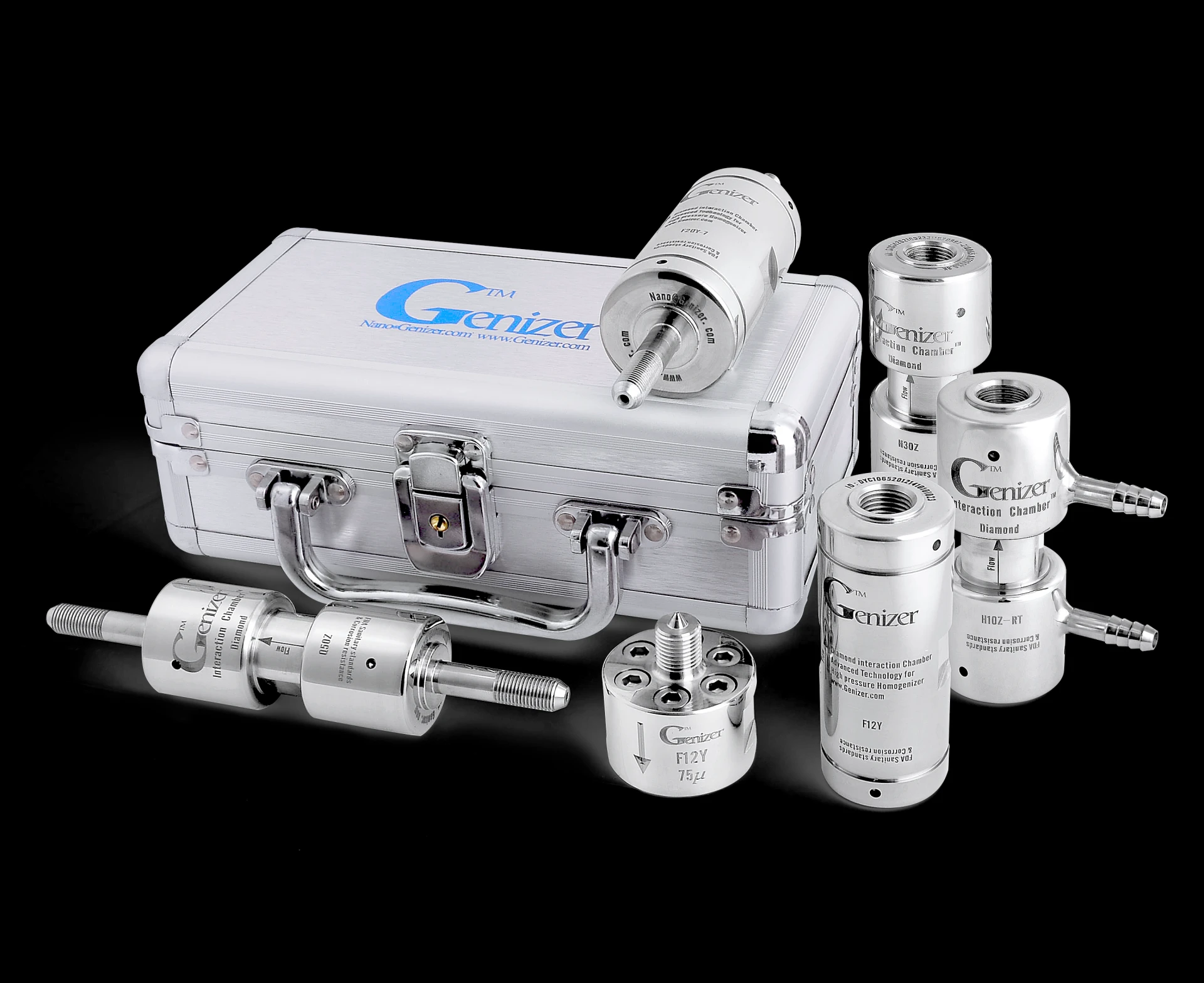
Choosing the Right Chamber Type
- Y-type – Perfect for emulsions, liposomes, and encapsulation, where droplet size uniformity matters most.
- Z-type – Designed for cell disruption, particle dispersion, and de-agglomeration, delivering maximum shear and cavitation.
Compatibility & Flexibility
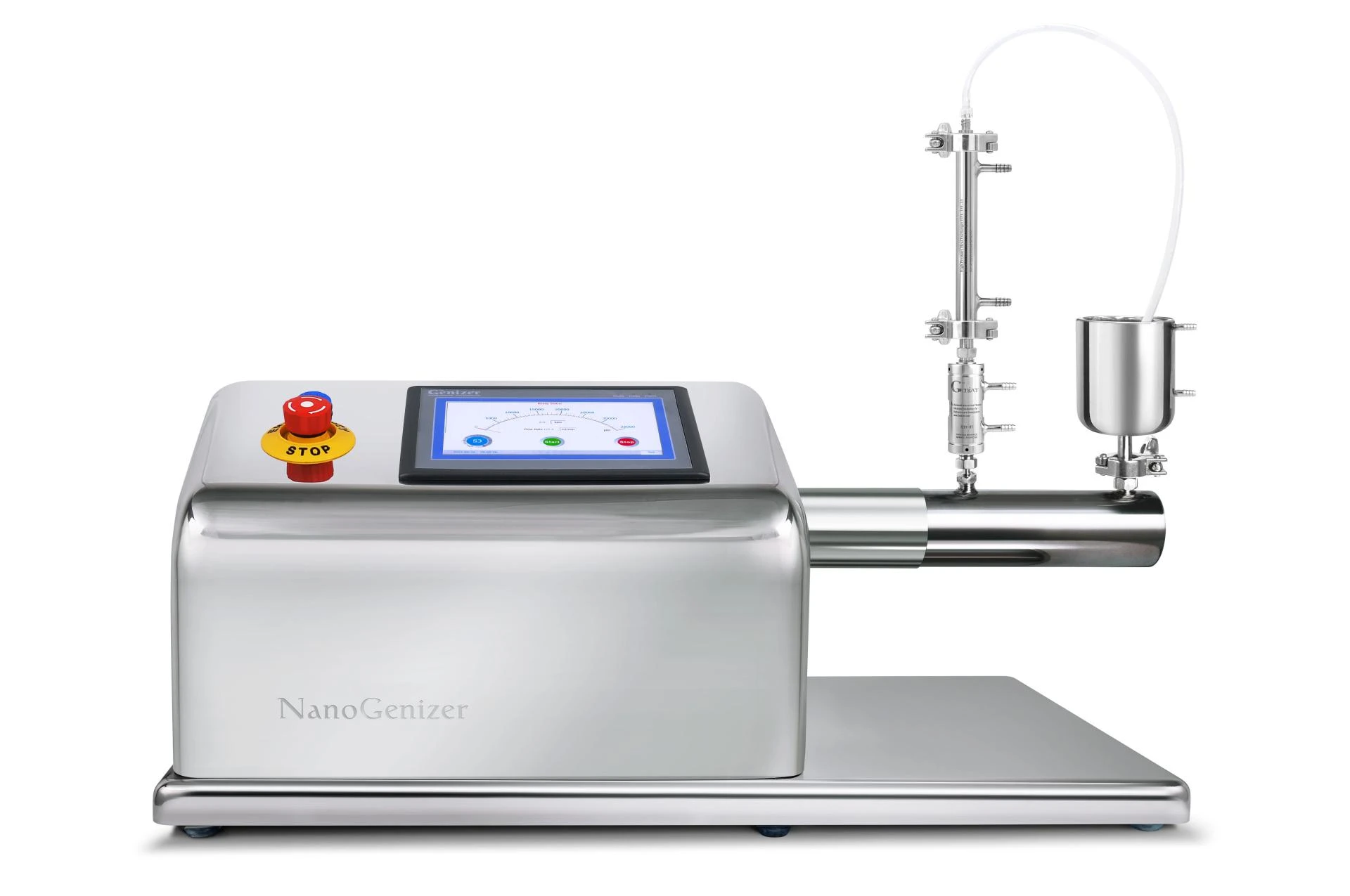
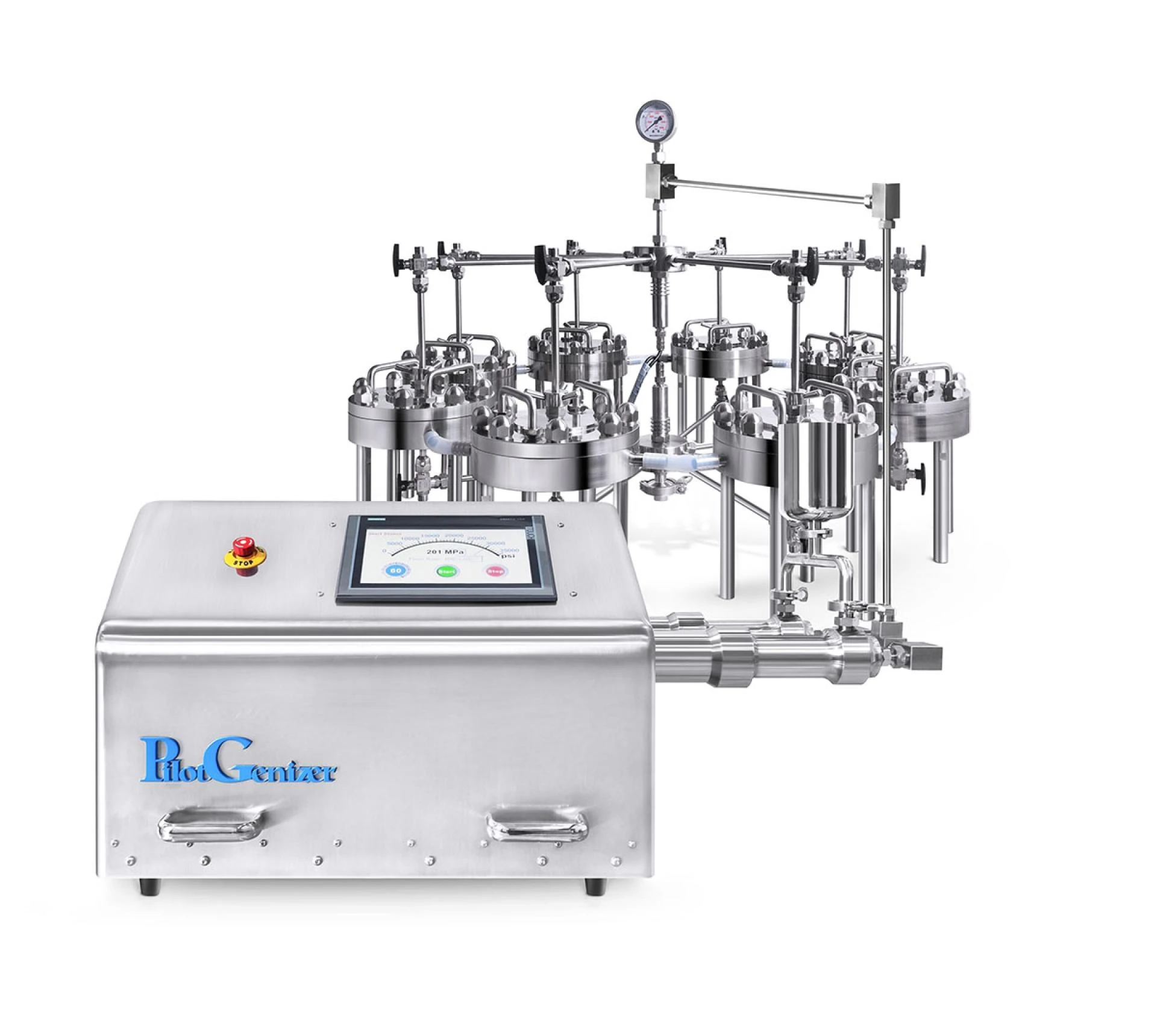
Genizer’s diamond interaction chambers work with other brands of high pressure microfluidization homogenizers, making them versatile, cost-effective, and reliable for lab, pilot, or production-scale processes. Their precision design ensures consistent, scalable performance across multiple industries.









Sign in to leave a comment.