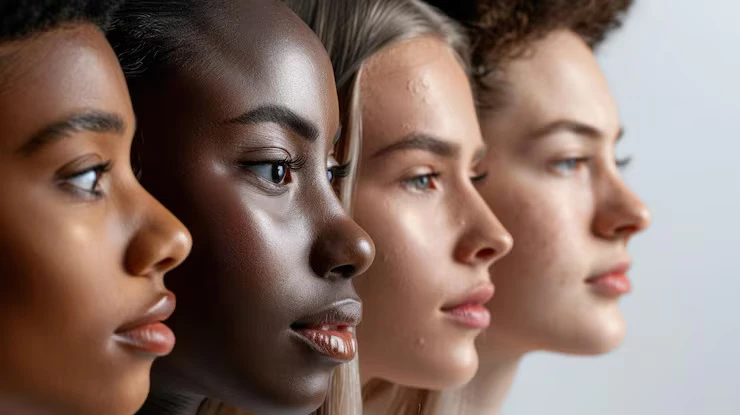


When we think of skincare, we often focus on external factors, such aspollution, UV rays, or the products we apply. However, your skin is also a mirror of your internal health. One of the most common yet overlooked internal issues affecting your complexion is iron deficiency. Before you reach for a brightening serum to fix a dull tone, it is worth looking more closely at the physiological signs your face might be giving you. Iron is essential for the production of hemoglobin, the protein in red blood cells that carries oxygen to your tissues. When these levels drop, your skin is often the first place to telegraph the struggle.
The “pale” look associated with anemia isn’t just a lack of a tan; it is a specific loss of the healthy, pinkish undertone that signifies good circulation. In clinical terms, this is known as pallor. Because the body prioritizes oxygen delivery to vital organs like the heart and brain, it restricts blood flow to the periphery, including the dermis. This leaves the face looking sallow, washed out, or even slightly grayish. If you’ve noticed that your skin has lost its “glow” despite a consistent routine, the culprit might be beneath the surface.
Identifying the Facial Signs of Low Iron
Pallor can be subtle, but there are specific areas where iron deficiency manifests most clearly. Doctors often check the inside of the lower eyelids; if they are pale rather than a healthy red or deep pink, it is a classic sign of low hemoglobin. On the face, this paleness is frequently accompanied by dark circles under the eyes. While lack of sleep is a common cause, iron deficiency makes the skin thinner and more transparent, allowing the bluish blood vessels underneath to become more visible, creating a “sunken” or tired appearance that no amount of concealer can fully mask.
Beyond color, the texture of your skin and hair can change. Iron plays a vital role in cell turnover and repair. When iron is low, your skin barrier can become compromised, leading to dryness or a lack of elasticity. You might also notice “angular cheilitis” painful cracks or sores at the corners of your mouth , which is a common dermatological symptom of nutritional deficiencies. If your skin feels perpetually fragile or slow to heal from minor breakouts, your internal iron stores may be the missing piece of the puzzle.
The Science of Oxygen and Skin Vitality
The link between iron and skin health is rooted in oxygenation. Without sufficient iron, your skin cells suffer from a localized form of hypoxia (low oxygen). Oxygen is the fuel for collagen synthesis and cellular regeneration. A research review on the role of micronutrients in skin health emphasizes that iron is a co-factor for enzymes involved in collagen production. When oxygen delivery is sluggish, the skin’s ability to repair itself diminishes, leading to premature aging and a loss of structural integrity.
This lack of oxygen also impacts how your skin reacts to external stressors. For those with acne-prone skin, iron deficiency can be particularly frustrating. While it doesn’t directly cause acne, the slowed healing process means that a single blemish can leave a dark spot (post-inflammatory hyperpigmentation) that lingers for months. The skin simply doesn’t have the metabolic energy to “turn over” cells and fade the mark efficiently. Maintaining a healthy complexion requires a steady supply of oxygenated blood to flush out toxins and deliver nutrients.
Internal Support and External Care
Addressing the “anemic look” requires a dual-track approach. Internally, increasing iron intake through diet or supplementation — under medical supervision is the only way to resolve the underlying pallor. However, while your internal levels stabilize, your topical routine should focus on supporting the skin’s defense systems. Since low-iron skin is often more sensitive, using a fragrance free moisturizer is essential to prevent further irritation or moisture loss.
You should also look for ingredients that mimic the effects of good circulation. Niacinamide and Vitamin C can help improve the appearance of dullness and support the skin barrier. For those experiencing the “transparent skin” effect where veins are highly visible, products that encourage thickening of the epidermis can help. Using a gentle non comedogenic face wash ensures you aren’t stripping the already-fragile lipids from your skin, which can happen more easily when your body’s internal repair mechanisms are lagging.
When to See a Professional
If you suspect your pale skin is linked to iron deficiency, it is important to look for systemic symptoms. Are you experiencing unusual fatigue, cold hands and feet, or brittle nails? If the answer is yes, a simple blood test for ferritin levels is the most effective next step. Skincare can manage the symptoms, but it cannot cure the deficiency. Once iron levels are restored, most people notice a significant return of “color” and vitality to their face within a few weeks as oxygenated blood flow returns to the skin’s surface.
In the meantime, treat your skin with the patience a healing organ deserves. Avoid harsh chemical peels or aggressive scrubbing, as low-iron skin is more prone to inflammation. Focus on deep hydration and barrier protection. By understanding that your skin is an active participant in your body’s overall health, you can move beyond surface-level fixes and achieve a glow that is truly reflective of internal wellness.
Frequently Asked Questions
Can I fix pale skin from iron deficiency with just Vitamin C serum?
While Vitamin C can help brighten the skin and support collagen, it cannot replace the hemoglobin needed to give your skin its natural pinkish tone. You must address the internal deficiency to see a permanent change in pallor.
How long does it take for skin to look better after starting iron supplements?
Typically, it takes about 2 to 4 weeks to notice an improvement in skin color and energy levels, though it can take several months to fully replenish your body’s iron stores (ferritin).
Is pale skin always a sign of anemia?
No. Genetics, lack of sun exposure, and poor circulation can also cause paleness. However, if the paleness is new or accompanied by fatigue and pale inner eyelids, iron deficiency is a very likely candidate.
Does iron deficiency cause acne?
It doesn’t directly cause it, but it slows down the skin’s healing process. This means sebum production issues or bacteria can lead to spots that stay red and inflamed for much longer than they would on a healthy individual.











Sign in to leave a comment.