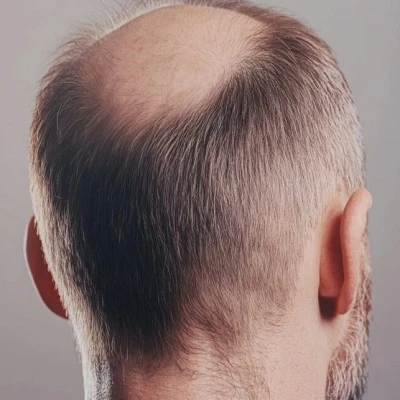

Hair loss can be distressing, particularly when it affects the crown area. Many people experiencing crown baldness wonder if a crown hair transplant in Islamabad is the right solution for them. With advancements in hair restoration technology, hair transplants have become highly effective in providing long-term, natural-looking results. However, not everyone is an ideal candidate for the procedure. In this blog, we will explore whether a crown hair transplant is the right choice for you.
Understanding Crown Baldness
The crown, or vertex, is one of the most common areas to experience hair loss. Crown baldness is typically caused by androgenetic alopecia, also known as male or female pattern baldness. This condition results from genetic factors and hormonal changes, leading to gradual hair thinning and bald spots. Unlike a receding hairline, crown baldness progresses in a circular pattern, making it more challenging to treat.
Other potential causes of crown baldness include:
- Stress and lifestyle factors – High stress levels can contribute to hair shedding.
- Nutritional deficiencies – Lack of essential vitamins and minerals can weaken hair follicles.
- Medical conditions – Autoimmune diseases and hormonal imbalances can accelerate hair loss.
- Medications and treatments – Some prescription drugs and medical treatments, like chemotherapy, can trigger hair loss.
Who is a Good Candidate for a Crown Hair Transplant?
A crown hair transplant can be a life-changing procedure for many people, but it is not suitable for everyone. Here are key factors that determine whether you are a good candidate:
1. Sufficient Donor Hair Availability
A successful transplant depends on having enough healthy hair follicles in the donor area (usually the back and sides of the scalp). If you have severe overall hair thinning, you may not have enough donor hair to achieve desirable results.
2. Stable Hair Loss
Candidates should have stabilized hair loss before undergoing a transplant. If you are still experiencing rapid hair loss, a transplant may not be effective, as newly transplanted hair could be surrounded by continued thinning.
3. Realistic Expectations
A crown transplant improves hair density but does not guarantee the thick hair you had in your youth. Understanding the expected results and having realistic expectations is crucial for satisfaction with the procedure.
4. Overall Health Condition
Good general health is necessary for a smooth recovery and successful results. Chronic conditions such as uncontrolled diabetes, autoimmune disorders, or blood-clotting issues may affect healing and hair growth.
5. Age Consideration
Most surgeons recommend waiting until at least 25 years of age before undergoing a transplant, as younger individuals may still experience progressive hair loss.
Benefits of a Crown Hair Transplant
If you are a suitable candidate, a crown hair transplant can provide numerous benefits:
- Permanent Hair Restoration – Unlike temporary solutions like medications or wigs, a transplant offers a long-lasting solution.
- Natural-Looking Results – Advanced techniques ensure transplanted hair blends seamlessly with your existing hair.
- Improved Self-Confidence – Regaining hair can boost self-esteem and enhance your overall appearance.
- Minimal Maintenance – Once the transplanted hair grows, it requires no special care apart from routine hair hygiene.
- Cost-Effective in the Long Run – Although the upfront cost may seem high, it eliminates the need for ongoing hair loss treatments.
The Crown Hair Transplant Procedure
A crown hair transplant involves extracting healthy follicles from the donor area and implanting them in the crown region. The two primary techniques used are:
- Follicular Unit Extraction (FUE) – Individual hair follicles are extracted and transplanted one by one.
- Follicular Unit Transplantation (FUT) – A strip of skin containing hair follicles is removed, then divided into individual grafts for implantation.
The procedure takes several hours, depending on the number of grafts needed. After the transplant, initial shedding occurs, but new hair starts growing within a few months, with full results visible in 9 to 12 months.
Alternatives to Crown Hair Transplant
If a hair transplant is not the right option for you, consider alternative treatments:
- Medications (Minoxidil & Finasteride) – These help slow down hair loss and promote regrowth in some individuals.
- Platelet-Rich Plasma (PRP) Therapy – A non-surgical procedure that uses growth factors from your own blood to stimulate hair follicles.
- Laser Therapy – Low-level laser therapy can enhance hair growth in some cases.
- Scalp Micropigmentation (SMP) – A cosmetic procedure that creates the illusion of fuller hair by tattooing tiny hair-like dots on the scalp.
Final Thoughts – Is a Crown Hair Transplant Right for You?
A crown hair transplant is an effective solution for restoring hair in the crown region, but it is essential to determine whether you are a good candidate before proceeding. Factors such as donor hair availability, hair loss stability, health condition, and expectations play a crucial role in deciding if this procedure is right for you.
If you are considering a hair transplant, consult a qualified hair restoration specialist in Islamabad to discuss your options and receive a personalized treatment plan. With the right approach, you can regain your hair and confidence for years to come.













Sign in to leave a comment.